
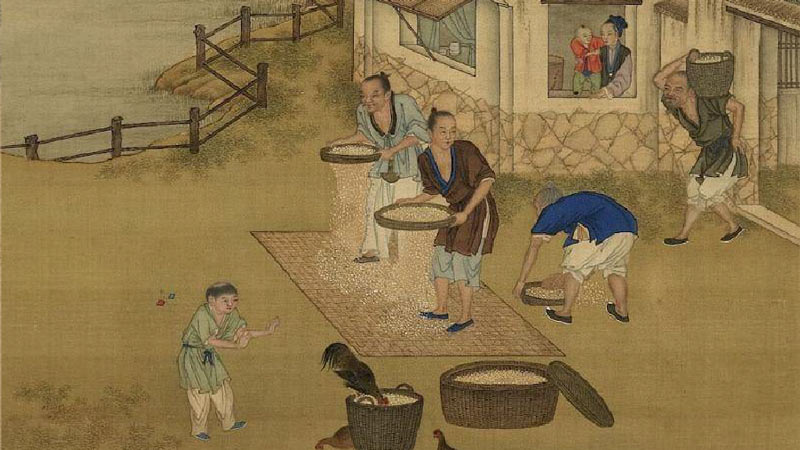
Did Our Ancestors Have Wild Jobs? 6 Bizarre Careers That’ll Blow Your Mind
Think ancient China was all about emperors, generals, and eunuchs? Think again. While history books highlight the “scholar, farmer, artisan, merchant” quartet, our forebears dreamed up a lineup of gigs so strange you’d swear they were from a fantasy series. From a human alarm clock to royal fart analysts, these jobs prove that work culture has always been, well, interesting. And they’re not just folklore – each one is stamped in official records and archaeological finds. So before you complain about your 9-to-5, consider these six historical positions that will make you grateful for your modern desk.
1. The Cockcrow Crier
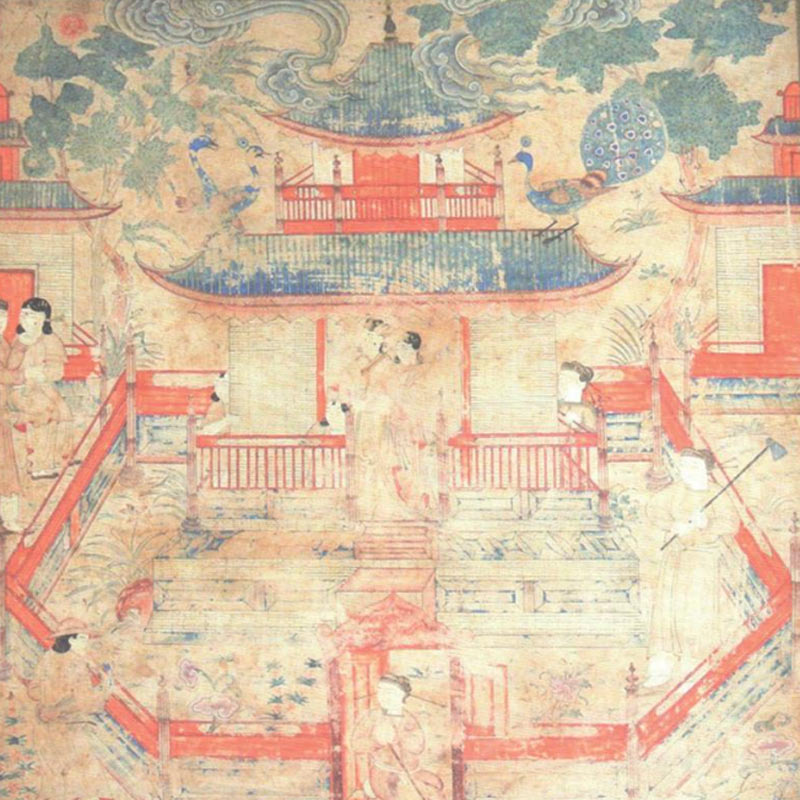
Meet the Ji Ren (鸡人) – a bona fide state position recorded in the Rites of Zhou (周礼). Their entire job? Imitating roosters. Before mechanical clocks, this human timepiece stood ready at dawn to crow loudly, waking the entire court. During major sacrificial ceremonies, they’d shout “Dawn!” through the night to keep everyone alert. Think of it as a living alarm clock with full government benefits.
But that’s not all. The Ji Ren also managed sacrificial poultry, distinguishing feather colors for ceremonial rites. They both raised chickens and sounded like them – arguably history’s first “human-chicken hybrid” role. In an era without timekeeping technology, the rooster’s voice meant order, and the Ji Ren embodied that authority.
2. Ice Master
The Ling Ren (凌人), documented in Rites of Zhou, handled one precious resource: ice. Their duties were simple – harvest ice in winter, store it in royal cellars, and distribute it to nobles for cooling drinks and preserving food during sweltering summers.
In a pre-refrigeration world, ice was luxury. The Ling Ren essentially ran ancient China’s first cold chain logistics. They even used specialized tools and underground vaults insulated with straw and charcoal. So next time you grab an iced latte, spare a thought for the Ice Master who made summer survival possible for the elite.
3. Ballad Collector

Two times a year, the Cai Shi Guan (采诗官) traveled the countryside with wooden bells, recording folk songs and local verses. Their mission: capture the people’s joys, struggles, and voices – then deliver these raw narratives directly to the emperor.
They were history’s first pollsters and roving journalists. Most of The Book of Songs (诗经) came from their fieldwork. Paid to listen to music, travel on the state’s dime, and influence imperial policy – this was the dream job long before digital nomads existed. Their work bridged the gap between rulers and ruled, creating a feedback loop that shaped governance for generations.
4. Tomb Keeper
Ancient texts like the Sleeping Tiger Qin Bamboo Slips (睡虎地秦墓竹简) confirm the existence of Zhong Hu (冢户) – professional tomb guardians. These individuals lived on imperial mausoleums, ensuring the dead rested undisturbed.
For introverts, this was paradise. Minimal social interaction, official state pay, and serene surroundings. Some even passed the role down through families. While graveyard shifts may sound grim, for those craving solitude, tomb keeping offered job security in an otherwise chaotic world.
5. Lament Singer
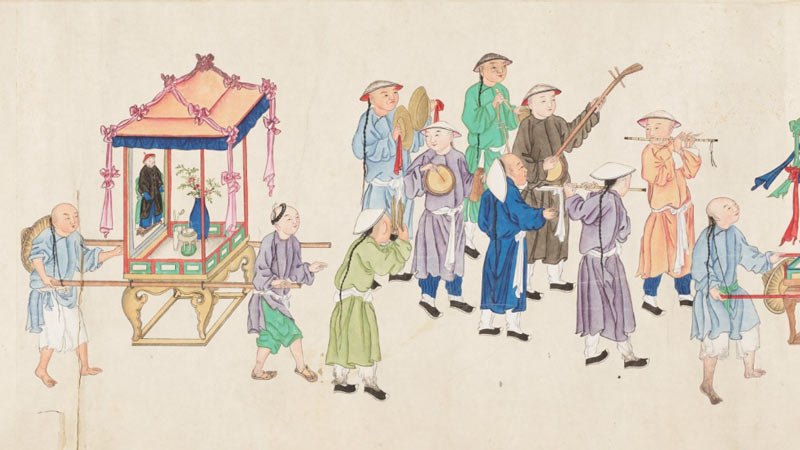
The Wan Ge Lang (挽歌郎) sang funeral dirges, originally reserved for royal and high-ranking official processions. Fixed tunes like Xie Lu (薤露) mourned life’s transience: “Dew on leeks, how easily dried – yet tomorrow’s dawn brings dew anew, while the departed never return.”
But here’s the shocker: after their performance, the Ministry of Rites could recommend these teenage singers for official posts of rank seven or above. In the Tang Dynasty, aristocratic families fought bitterly over these gigs, sometimes escalating to court disputes. Singing at funerals became a fast track to power – proof that ancient career paths often defied logic.
6. Knife Creditor
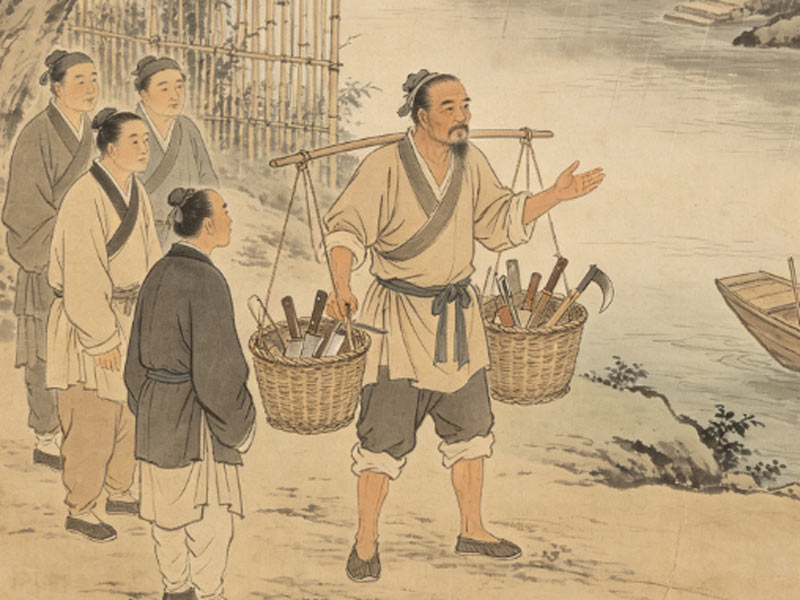
Mysterious and legendary, the She Dao Ren (赊刀人) supposedly emerged during the Song Dynasty. They roamed villages offering knives and scissors without upfront payment, leaving prophecies instead. “I’ll collect when rice drops to this price,” they’d declare – and when the prediction came true, they returned for their due.
Whispers claimed they were disciples of Gui Gu Zi (鬼谷子), the legendary strategist, capable of divining fortunes and national fates. They were part trader, part oracle. Meanwhile, the Song government employed foot-odor inspectors for palace maid candidates, and the Ming Dynasty took it further with “fart tasters” who analyzed flatulence for health and fortune readings – reportedly a high-paid position.
From criers to creditors, ancient employment was far stranger than textbooks reveal. Some jobs vanished, others evolved, but each one reflects the creativity – and sheer audacity – of our ancestors. So next time your alarm goes off at 7 AM, remember: at least you don’t have to crow like a rooster at three in the morning.