
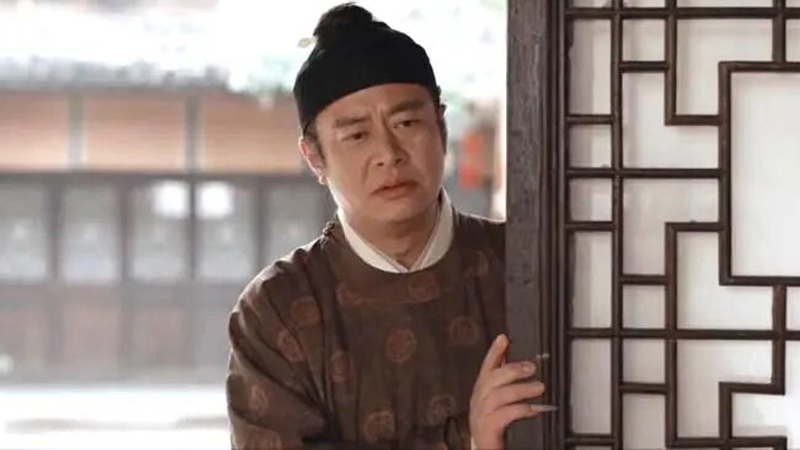
In the period drama The Mo (家业), a curious detail catches the eye: Lord Yan (言), a male character from the Ming dynasty, sports an elongated and glossy fingernail on his little finger. It looks deliberately manicured—almost like modern nail art. This seems odd. Ancient Chinese men grooming their nails? Many viewers immediately assume he must be a eunuch, because that is the only stereotype they know from previous TV shows. But is that historically accurate? Far from it.
The practice of male nail care among the aristocracy was not only common but also a marker of status and refinement for centuries. Before jumping to conclusions, let us dig into the real history—and discover why the production team gave Lord Yan that polished nail. It is not a hint at his identity; it is a faithful nod to the lifestyle of Ming gentry.
A Historical Practice
Long before the Ming, nail grooming had already taken root among the elite. During the Shang and Zhou dynasties, bronze tools became widely available, and both noblemen and noblewomen used specialized implements to trim and polish their nails. By the Warring States period, written records—such as the works of Han Feizi (韩非子)—mention aristocrats wearing long nails as a mark of distinction. So this was not a late invention; it was an ancient custom.
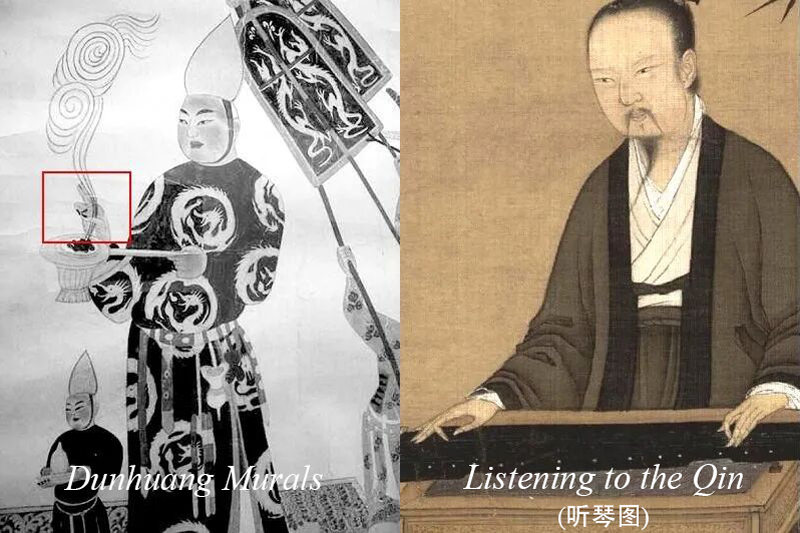
In the Tang and Song dynasties, nail care flourished among the literati. For scholars, trimming nails and caring for hands was as routine as burning incense or sipping tea—small pleasures of daily life. At the same time, dyeing nails became fashionable among commoners, and it was not limited to women. Many men who cared about their appearance also colored their nails. Surviving murals from Dunhuang show male figures with tinted fingernails, and classical paintings like Han Xizai’s Night Banquet (韩熙载夜宴图) and Listening to the Qin (听琴图) clearly depict gentlemen with noticeably long nails.
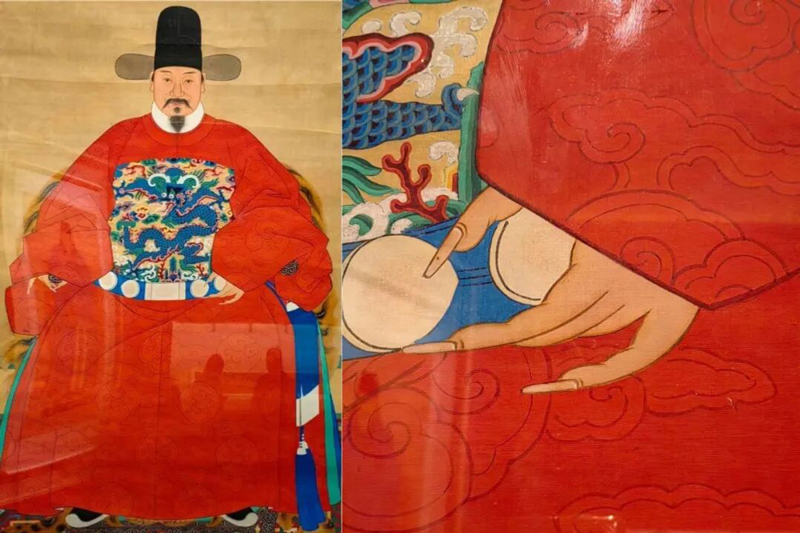
By the Ming and Qing dynasties, the trend reached its peak. Government officials, country squires, and scholars all took pride in keeping long nails. Affluent families even commissioned gold or silver fingertip guards to protect them from breaking—a practice that actually began in the Han dynasty, though it became more ornate and decorative during the Qing, especially among imperial consorts. Portraits of Ming gentlemen often show their elongated nails prominently, proving it was a standard feature of upper-class male appearance.
Two Key Reasons
Why did ancient Chinese men bother with such manicures? The first reason is social status. In an agrarian society, long, well-kept nails made physical labor nearly impossible. To maintain them meant you did not need to work with your hands—you were wealthy, leisured, and above the toil of farming or craftsmanship. Over time, the long nail evolved into a visible badge of class hierarchy. It said, “I belong to the ruling or scholarly elite.”
The second reason is aesthetic ideal. Clean, slender nails paired beautifully with the flowing robes and wide sleeves of traditional attire. When a gentleman played the zither or wrote calligraphy, elegant nails enhanced the grace of his movements. This aligned perfectly with the Confucian notion of the “gentleman”—someone whose external composure reflected inner cultivation. For the literati, nail care was not vanity; it was part of self-cultivation, much like proper posture or refined speech. It added a subtle charm to everyday gestures, from holding a brush to raising a tea cup.
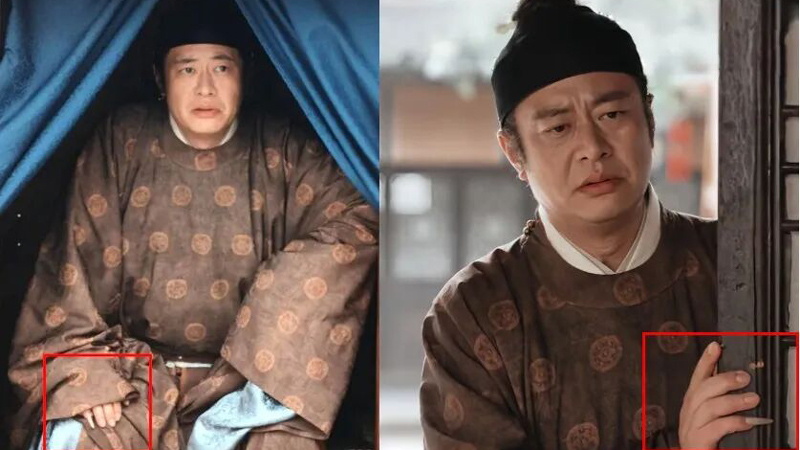
These two forces—status signaling and aesthetic sensibility—worked together. They made long nails a powerful symbol that combined wealth with taste. And unlike the gaudy accessories of later periods, this practice remained understated, often just a naturally grown nail with a bit of oil or polish for sheen. That is exactly what we see on Lord Yan’s finger in The Mo: not an exaggeration, but a quiet, historically accurate detail that most dramas overlook.
Breaking the Stereotype
So why do so many people today associate male nail grooming exclusively with eunuchs? The culprit is television. Over the past few decades, numerous period dramas have given eunuch characters meticulously styled nails and heavy makeup to visually signal their “otherness.” This directorial choice—meant to make roles instantly recognizable—unintentionally cemented a false equivalence in the public mind. Viewers watched these shows repeatedly, and the image stuck: if a man has manicured nails, he must be a palace attendant.
Modern life reinforces this bias. In contemporary society, nail art is overwhelmingly a female-dominated practice. Men who paint or extend their nails are often seen as unconventional or even subversive. This contemporary lens gets projected backward onto history, distorting our understanding of the past. We forget that ancient norms were radically different. What seems feminine or eccentric today was once a perfectly ordinary habit for a Ming scholar-official.
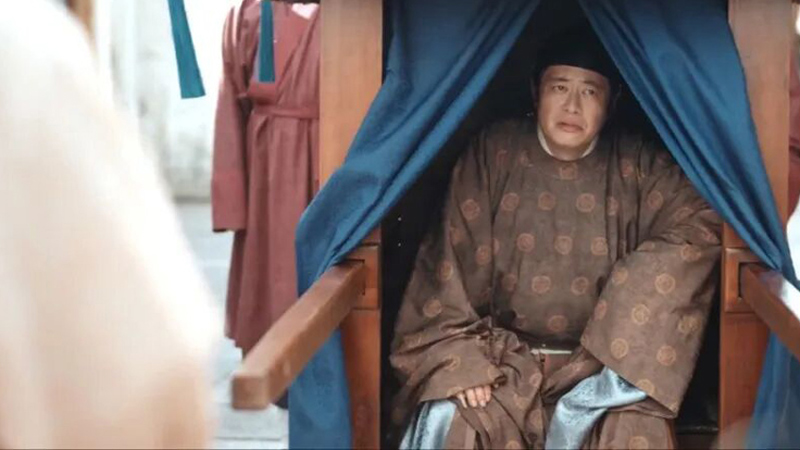
The production team of The Mo made a deliberate choice to break that mold. By giving Lord Yan a refined nail without any eunuch-associated styling—no heavy powder, no flamboyant costume—they restore a forgotten reality. It is not a plot clue or a secret code. It is simply an authentic period detail, one that most historical dramas have ignored because they cater to modern audience expectations. Next time you watch a costume drama, pause and look at the male characters’ hands. You might be surprised how often history has been flattened for convenience. Lord Yan’s nail is a small but powerful reminder: the past is always stranger—and more diverse—than our stereotypes allow.