
Food is fuel. But it’s also so much more. Across every culture, every country, every century — humans have gathered around meals not just to eat, but to connect. Think about it: when was the last time something truly important happened in your life without food nearby?
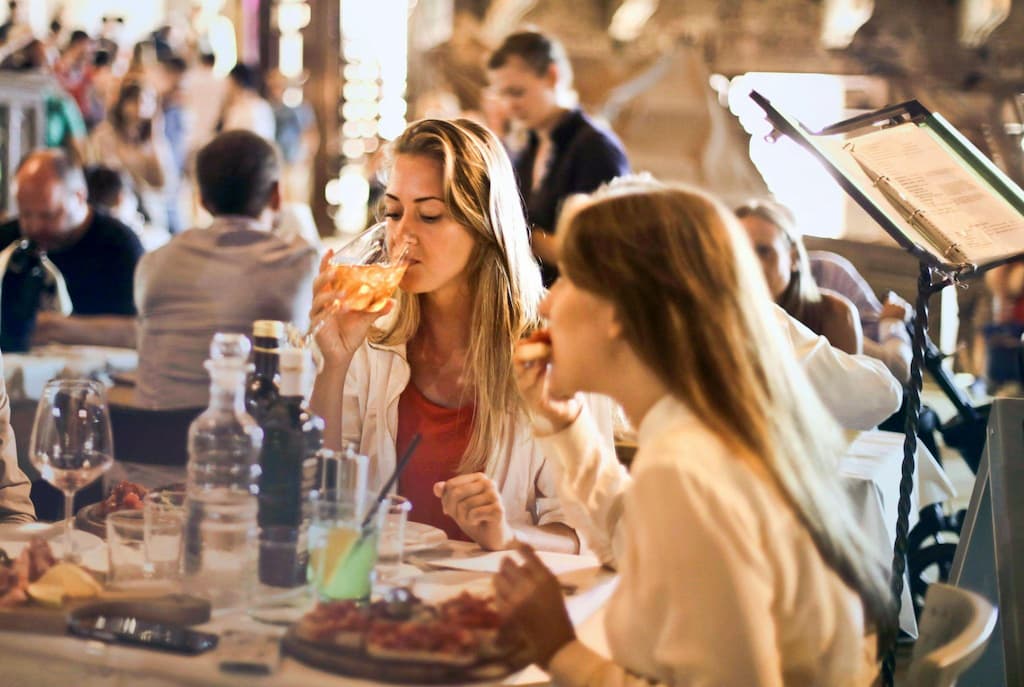
Weddings have cakes. Funerals have casseroles. Birthdays have candles on something sweet. Food shows up everywhere humans need each other most.
The Numbers Don’t Lie
Here’s something striking. A 2017 study by Oxford University researcher Robin Dunbar found that people who eat with others feel happier, have more friends, and feel more satisfied with life overall. The act of sharing a meal literally rewires how we feel about the people sitting across from us.
According to a Cornell University study, firefighters who cooked and ate together performed better as teams. Not slightly better — significantly better. One meal, shared daily, changed how well they worked under pressure.
Back to the Beginning
Humans have been sharing food for at least 300,000 years. Archaeological evidence shows ancient hearths surrounded by bones and tools — signs of communal eating, not solitary survival. Fire brought people in from the dark. Food made them stay.
It was never only about calories.
The Kitchen as a Classroom
Grandmothers teach without textbooks. A child standing on a stool, watching dough being kneaded — that’s education. That’s history. That’s love passing from one set of hands to another.
Recipes are memories. A family’s tomato sauce, passed down through four generations, carries more identity than any passport. Food is how cultures survive migration, war, and time itself.
Strangers Become Guests
There’s a reason hospitality in almost every language involves food. In Arabic, there’s diyafa—the sacred duty of feeding a guest. In Georgian culture, the supra feast is a spiritual and social ritual, presided over by a tamada (toastmaster), sometimes lasting hours. In Japan, preparing food for someone is considered an act of deep respect.
Food isn’t necessarily the center of attention, but it often serves as a bonding experience. You can learn more about people by sharing a meal with them, and this even works when communicating online through the CallMeChat chat rooms. You hand someone a bowl of something warm. Suddenly, they’re not strangers anymore.
Family Ties Around the Table
Something almost magical happens when families eat together. Teenagers who sit down with their parents for dinner five or more times a week are four times less likely to smoke and half as likely to drink alcohol. The simple act of passing the potatoes builds a shield against anxiety and depression. Young people in treatment for emotional struggles are about half as likely as their peers to have regular family meals.
Parents know this in their bones. A survey of 1,200 families found that 82% consider dinner their main family meal. About 80% say it is their time to catch up, connect, and make memories that will outlast any distraction. Even when schedules clash and everyone is pulled in different directions, they fight to protect that hour at the table.
The Office Potluck Nobody Asked For (But Everyone Needed)
Even in modern workplaces, food works. Office birthday cakes are awkward. The potluck where Karen brings her famous pasta salad is legendary. These moments — slightly uncomfortable, slightly silly — build something invisible but real.
Trust. Familiarity. The knowledge that the person in the next cubicle is human, too.
Food Across Borders
In 2023, the UN Food and Agriculture Organization reported that food systems connect over 1 billion people globally through shared supply chains, trade, and cultural exchange. What you eat for breakfast might involve wheat from Ukraine, coffee from Ethiopia, and sugar from Brazil.
We are already sharing meals — we just don’t always see it that way.
When Food Heals
After a disaster — a hurricane, a war, a loss — communities cook. It’s almost instinctive. Neighbors appear at doors with soup. Church halls fill with casseroles. Strangers line up to ladle stew into cups.
Cooking for someone in grief says: I see you. I’m here. You don’t have to be alone right now. No words carry that as cleanly.
The Science of Synchrony
Eating together creates what researchers call “behavioral synchrony” — we chew, swallow, reach, and pause in rhythm with others. This unconscious mirroring builds rapport. A 2019 study published in Psychological Science found that people who ate similar foods trusted each other more during negotiations.
Same plate. More trust. Simple.
Food Is a Language
You don’t need to speak the same language to share a meal. Sit down at a table in rural Vietnam or a kitchen in Morocco, and within minutes, something is being offered. A plate slid across. A gesture toward the bread. A smile that says eat.
Food communicates what words sometimes can’t reach.
Reclaiming the Table
So what do we do with all of this? We set the table. We invite someone over. It does not have to be fancy. A bowl of popcorn and two spoons. Leftovers reheated and shared. A potluck where everyone brings what they can. The food itself matters less than the act of gathering.
Families who eat together even once or twice a week still reap benefits. Teenagers open up about school and friends. Jokes get told. A picky eater discovers something new because their sibling tried it first. Relationships deepen in the small, ordinary moments between bites.
The research is clear. Countries where people share more meals have higher levels of social support and lower levels of loneliness. This is not complicated. It is just hard to prioritize in a world that rewards busyness.
Simple. Honest. Universal.
Food doesn’t care about politics. It doesn’t check your bank account or your beliefs. A good meal offered with sincerity crosses almost every barrier humans build between themselves.
Share food. Share time. The rest has a way of following.