
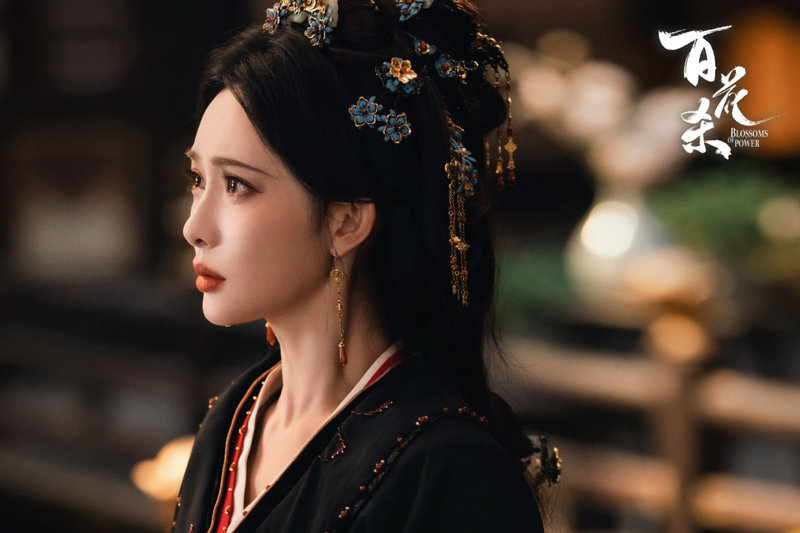
What is the price of ultimate victory when the path to power is paved with calculated sacrifice and the ghosts of a fabricated revenge? The finale of Blossoms of Power (百花杀) leaves its audience not with a simple triumph, but with a complex tapestry of fates. The Crown Prince cheats death, Prince Xin (信) faces a bitter defeat, and Shen Xihe (沈汐和) ascends to the pinnacle of power. Yet, it is Empress Dowager Meng (孟) who embodies the story’s most profound tragedy, a woman undone by a lie she built her entire life upon.
The Secret Cure
The narrative’s most pivotal twist is the Crown Prince’s resurrection. His initial sacrifice, taking a sword for the Emperor, was a masterstroke of misdirection designed to mask a desperate, life-saving medical procedure. His condition was terminal, but a cure was found: a rare venomous snake whose toxin could neutralize the poison ravaging his body. This ancient treatment, however, was a grueling process that required years of absolute stillness and isolation. The Crown Prince’s feigned death was not just an escape, but a necessary strategy to secure the time and peace required to undergo this ordeal, a deception that shaped the political landscape for nearly a decade.
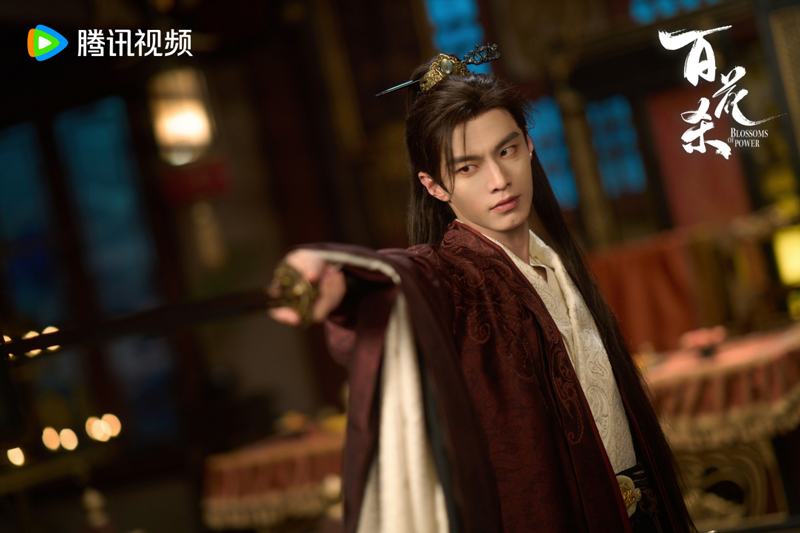
As the prince lay in seclusion for four long years in the series adaptation, the power vacuum he left behind became a crucible for the remaining characters. It was a gamble where his very existence was erased from the world to ensure his eventual return. His ultimate recovery and reunion with Shen Xihe creates a rare moment of untainted happiness. It represents a victory not just over death, but over the intricate web of court politics that sought to consume him, allowing him a future he was never promised. This arc proves that the greatest battles are sometimes fought not in the throne room, but in the silent, lonely struggle for survival.
The Calculated Fall
Prince Xin’s campaign against Shen Xihe was a relentless siege, stripping away all her support and cornering her within the very heart of the empire. But her strategy was one of deep foresight. She used a clandestine visit to a Buddhist temple to relay a call to arms, and she secretly dispatched loyalists even before the Emperor’s final decree. When she was granted the ultimate honor of naming the Emperor’s unborn child as his heir, Prince Xin’s rebellion was a predictable reaction. His attack was a last, desperate grab for power, which ultimately played into her hands.
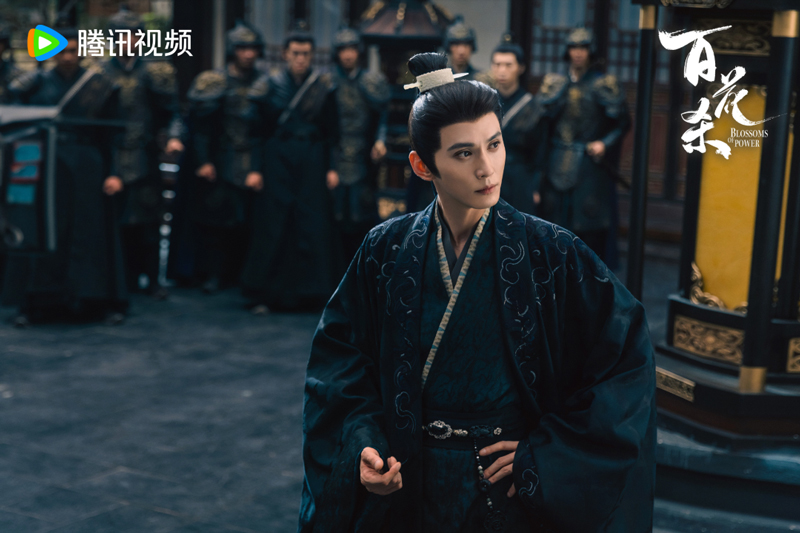
His defeat and subsequent suicide were not simply a military loss; it was a carefully engineered sacrifice to solidify her dominance. Prince Xin knew he was a threat, a figurehead for a faction of his own that would never allow him to step down peacefully. His rebellion, a final act of twisted loyalty, was designed to brand himself a traitor, thereby eliminating his political credibility. By staging this coup, he gave Shen Xihe the perfect justification to consolidate her power and purge the court of his influence. His “defeat” was the final piece in the puzzle of her absolute authority, a legacy built on his willing self-destruction.
The Poisoned Love
In the annals of tragic figures, Empress Dowager Meng stands apart. For twenty years, she was consumed by a singular, venomous belief: that the Emperor had abandoned her son, Prince Qian, to a brutal death. This perceived injustice transformed her into a puppet master of chaos, pitting the Emperor’s children against each other in a ruthless game of survival. Her greatest act of vengeance was poisoning the Crown Prince, the Emperor’s favored heir. Yet, her entire life was built on a foundation of misunderstanding. The truth was that Prince Qian’s death was a tragic consequence of a secret military pact he had made with the Emperor.
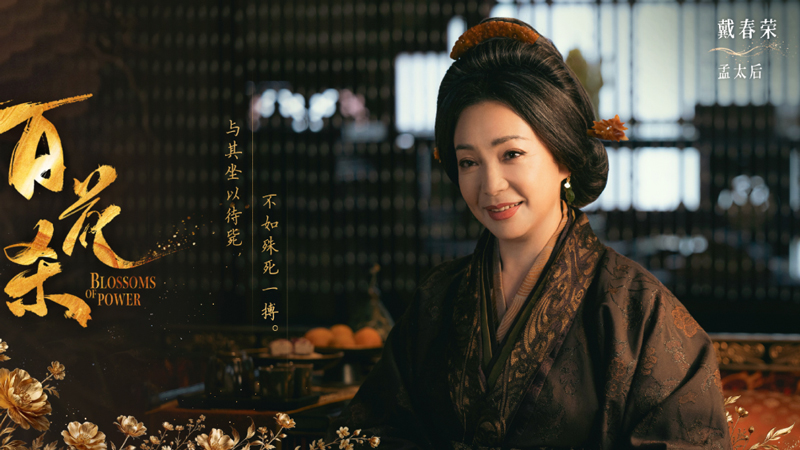
The irony is agonizing. While she was plotting her revenge for a son she believed was murdered, the victim of her schemes was her own flesh and blood. The Crown Prince she poisoned was actually her nephew, the son of Prince Qian, whom the Emperor had taken in and raised as his own out of ambition. Her decades of meticulous scheming were not for justice, but for a phantom. She destroyed her own family line, leaving a legacy of ruin born from a lie. Empress Dowager Meng’s story is a powerful and somber reminder that the most devastating wounds are often self-inflicted, fueled not by reality, but by the ghosts of a past we choose to believe.