
In July 2026, a cultural wave swept across Douyin (the Chinese version of TikTok) as two Hanfu-related topics simultaneously topped the platform’s trending charts. The hashtags “Wearing Hanfu with Confidence” and “Summer Trendy Couple Outfits” garnered a combined 12.12 million views, signaling a major shift — Hanfu has moved beyond scenic spots, festivals, and photoshoot studios to become part of young people’s everyday wardrobe choices.
More significantly, a user comment rose to become the “Golden Quote of the Day”: “Wearing Hanfu is not cosplay — it is cultural confidence.” This single sentence cut through more than a decade of debate and labeling surrounding Hanfu in public spaces.
Couple Outfit Charts: The Strongest Evidence of Daily Wear
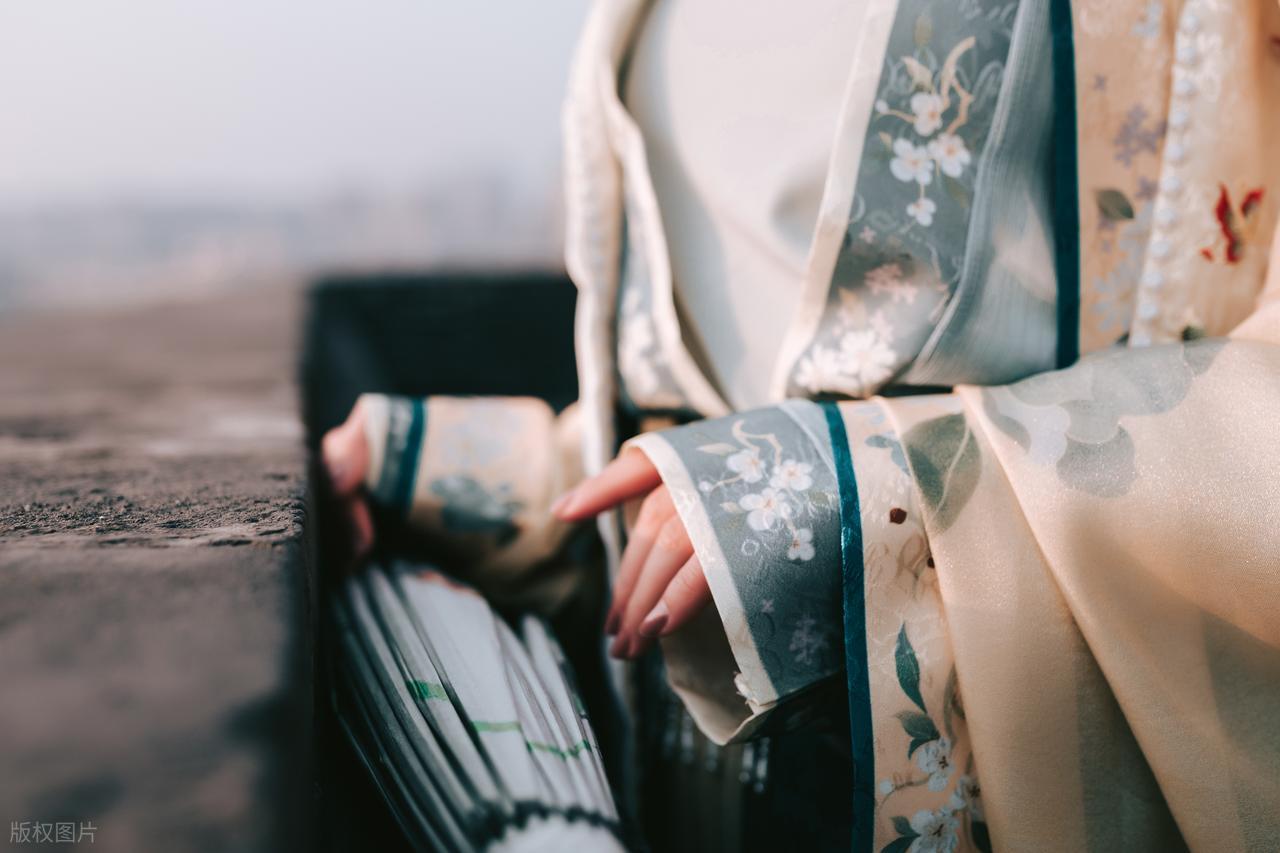
In the past, wearing Hanfu in public often sparked heated online debates. But this time, pairing Hanfu with “summer couple outfits” and reaching the top of the charts points to a subtle but important shift — Hanfu is entering the dating scene. Tang-style Ruqun paired with short jackets, Ming-style Mamianqun matched with T-shirts, men in Song-style round-collar robes, and women in chest-high Ruqun — these outfits now appear in cafés, subway stations, and shopping malls rather than film studios. Viral Douyin content such as “Hanfu with Twin Tails” and “Mamianqun Transformation” thrives on the contrast between traditional garment forms and modern scenarios.
When a couple feels comfortable wearing Hanfu on a date or a shopping trip, it signals a transition from “declaring an identity” to “just wanting to dress this way today” — the true hallmark of daily normalization.
Breaking the Misconception: Hanfu Is Not a Costume
A companion article published by Tencent News, titled “Wear Hanfu with Confidence! Don’t Let Prejudice Trap the Most Beautiful Romance,” clearly articulated a common misunderstanding: many people equate Hanfu with theatrical costumes or period drama outfits. In reality, Hanfu is the traditional clothing of the Han Chinese people, worn for thousands of years from the Yellow Emperor era through the Han, Tang, Song, and Ming dynasties. It is a tangible carrier of Chinese civilization. The nearly 300 years of Qing Dynasty clothing changes left the Han people as the only major ethnic group in China without a distinctive traditional garment. Today’s “daring to wear” movement essentially represents a restoration of cultural heritage after a three-century interruption.
Beijing Institute of Fashion Technology associate professor Jiang Yuqiu offered a grounded perspective: “Hanfu is just one option among today’s many clothing choices — like a Western suit, a Qipao, or a Zhongshan suit.” If Japan can normalize kimono and Korea can normalize hanbok alongside Western clothing, why should Chinese people confine their own heritage to the “costume” box?
Global Resonance: 12 Million Views on TikTok
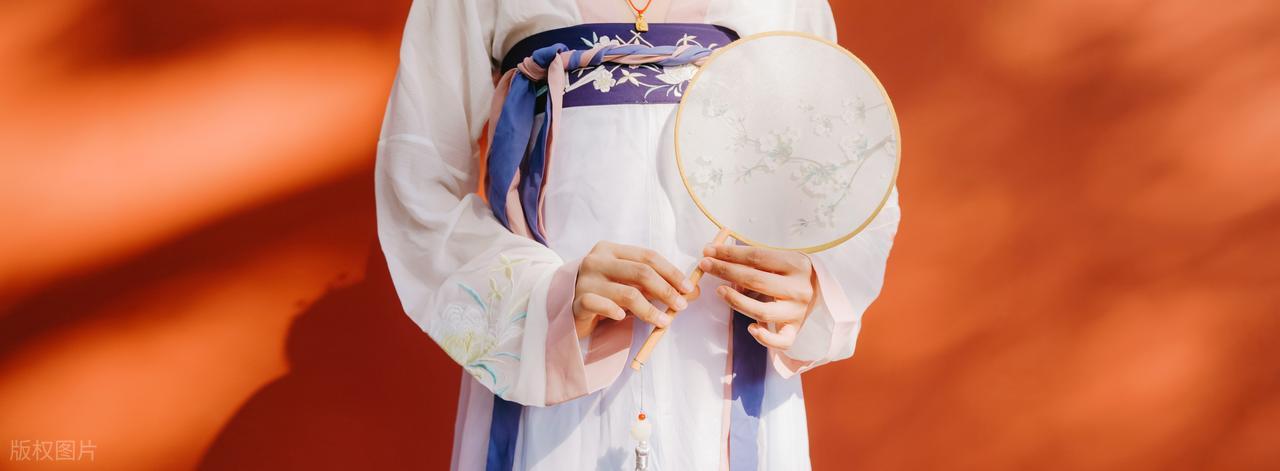
The same sentiment has resonated internationally. A TikTok video of an ordinary young woman in Tang-style Ruqun spinning around surpassed 12 million views, with comments flooding in from across the globe. One American user wrote: “It took me 30 years to figure out what kung fu and pandas are. Now you’re telling me Chinese people have this stunning ‘skin’ too?” A Japanese user commented: “Why does it feel like a cultural revival when Chinese youth wear ancient clothes, but when I wear kimono outside, people just ask ‘what festival is it?'”
Domestically, 12.12 million views across two Douyin charts, and internationally, 12 million views on TikTok — both tell the same story: ordinary Chinese people wearing traditional clothing on subways, campuses, and in offices, not as actors or models. This everyday courage in wearing a thousand-year-old culture into daily life is what truly resonates.
Data Backbone: A Decade of Gradual Growth
Hanfu culture did not explode overnight — it has simmered for a decade. In 2019, China had 3.56 million Hanfu enthusiasts; by 2020, that number had nearly doubled to over 6 million. The Weibo hashtag “#Hanfu#” has reached 4.89 billion reads, while Douyin’s Hanfu-related videos have surpassed 47.7 billion views. The “Neo-Chinese style” hashtag on Douyin has exceeded 12 billion plays, and categories like Mamianqun have seen year-on-year sales growth of over 300%. Price ranges span from budget-friendly entry-level to premium Minghuatang pieces costing tens of thousands of yuan, as the industry shifts from scale competition to value competition.
The transition from “ceremonial consumption” to “daily choice” marks a new phase for Hanfu culture. “Wearing Hanfu is not cosplay — it is cultural confidence” becoming Douyin’s quote of the day shows that young people have firmly paved the path of wearing their heritage into everyday life.