
In November 2025, “Zhuzi Shenyi Ritual Customs” was officially inscribed into Nanping’s 11th batch of municipal-level intangible cultural heritage in Fujian Province. The recognition marks the culmination of over a decade of systematic restoration and living heritage practice, bringing a garment once central to Neo-Confucian ritual life back from the pages of classical texts into contemporary ceremony and classrooms.
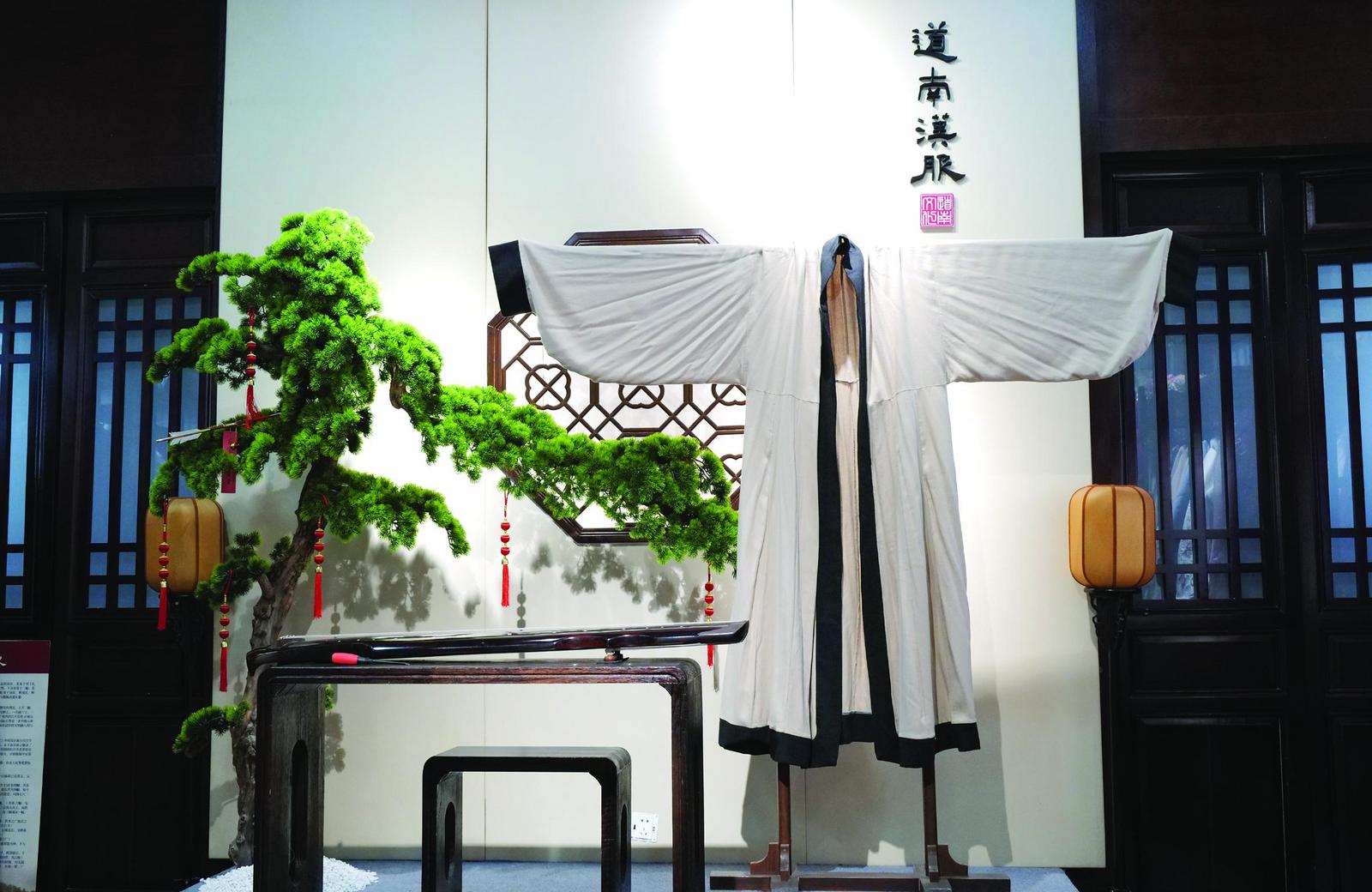
What Is Shenyi: From Pre-Qin Commoner’s Robe to Neo-Confucian Symbol
Shenyi first appeared during the Spring and Autumn and Warring States periods as a garment in which the upper jacket and lower skirt were sewn together into a single piece. Its name — literally “deep garment” — comes from its ability to wrap the body completely, “deeply concealing” the wearer. Unlike later hierarchical dress codes, shenyi in the pre-Qin era carried no rigid class distinctions; it was the formal wear of common people.
After the Qin and Han dynasties, shenyi gradually faded from mainstream ritual use. For nearly a thousand years, its precise construction remained obscure. Then came Zhu Xi, the great Song Dynasty philosopher. Working from fragmentary classical descriptions — primarily the Book of Rites — Zhu Xi reconstructed shenyi’s dimensions, cut, and structure with painstaking philological rigor. More than a scholarly exercise, he infused the garment with Neo-Confucian cosmology: the four panels of the upper garment symbolized the four seasons, the twelve pieces of the lower skirt represented the twelve months, the round sleeves and square collar embodied the principle of “compass and square” — heaven round, earth square — and the central back seam running straight from top to bottom signified moral rectitude.
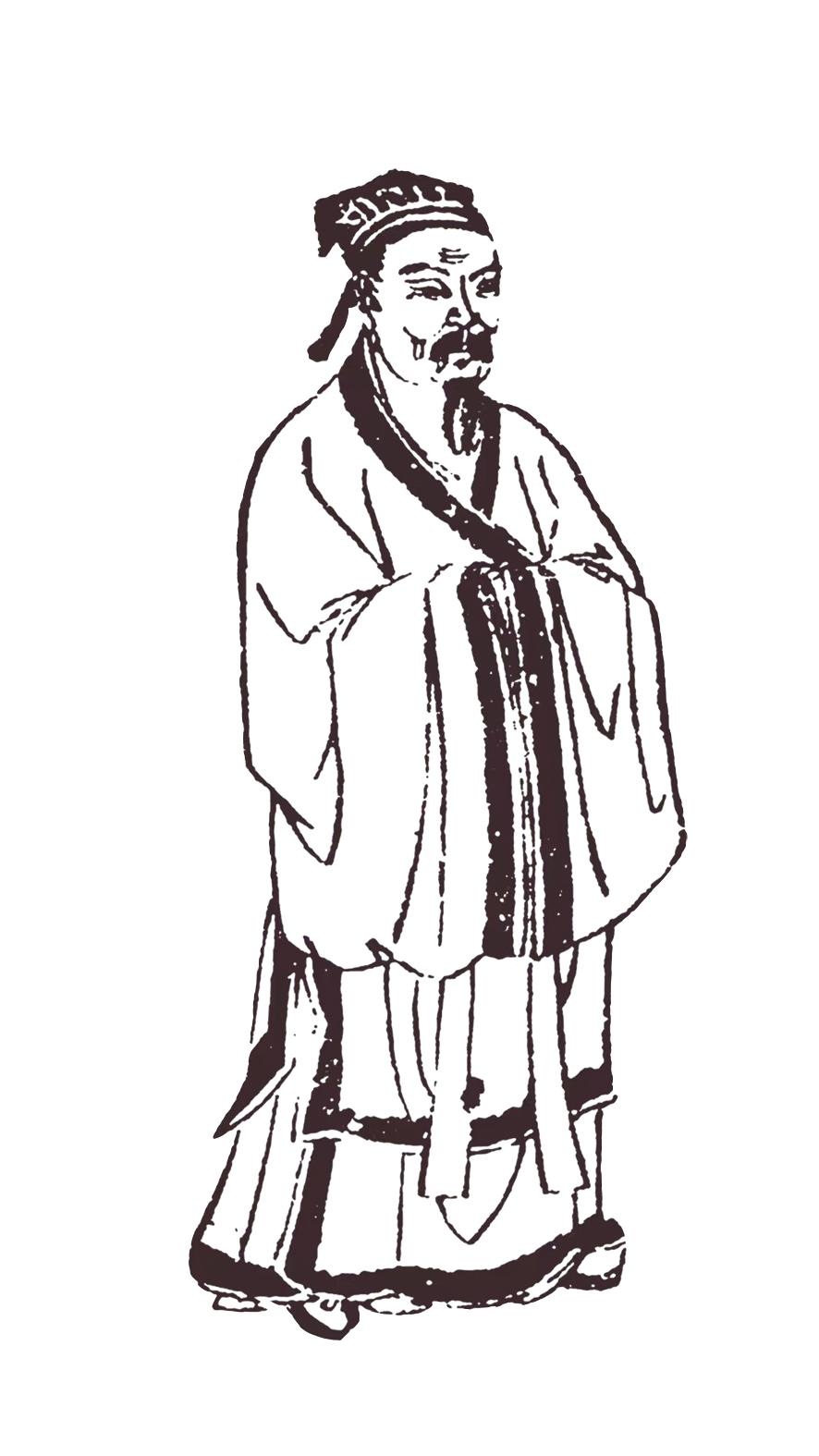
“Zhu Xi made shenyi a material carrier of Neo-Confucian thought,” said Zhang Rongli, vice president of the Nanping Zhu Xi Culture Research Association, who has studied Zhu Xi’s ritual system since 2017. The Ming-Qing scholar Huang Zongxi captured the garment’s unique status in his Study of the Shenyi: “The ceremonial cap and robes serve for civil occasions but not for military; armor serves for military but not for civil. Only the shenyi serves both.”
Ten Years of Restoration
Fan Chengzhong, a teacher at Nanping No. 1 High School and a key driver of the heritage application, traces the restoration effort to around 2010. “It started from the cultural consciousness awakened by the hanfu revival movement,” he recalled. “I realized that Zhu Xi’s shenyi was not just another piece of hanfu — it carried a complete ritual system.”
The core team of about ten people brought together Zhu Xi scholars, literary historians, hanfu restoration artisans, ritual instructors, and intangible heritage specialists. Their working principle was uncompromising: “Every pattern and every system must be based on classical texts; every ritual and every detail must conform to ancient rites.”
Primary sources included Zhu Xi’s Family Rituals, the Commentaries on the Book of Rites, Collected Sayings of Zhu Xi, Zhou and Yi dynasty ritual commentaries, and the History of Song. The team also consulted Ming and Qing costume records, local gazetteers, academy chronicles, surviving portraits of Zhu Xi, and archaeological textile evidence from tomb excavations.
The timeline of the revival progressed steadily: in 2016, the research association began using shenyi in actual ceremonies; in 2018, it published the popular reader Han Clothing with a dedicated chapter on Zhu Xi shenyi; around 2020, preparation of heritage application materials began; in May 2025, the formal application was submitted; in November 2025, it was approved.
In recent years, Zhu Xi shenyi has appeared in increasingly visible settings. In 2024, Nanping No. 1 High School held a coming-of-age ceremony featuring shenyi. In 2025, Kaoting Academy — where Zhu Xi himself once taught — hosted a traditional “vegetable offering ceremony” with participants in shenyi. In early 2026, a Zhu Xi cultural promotion event at Beijing’s Wangfujing shopping district featured shenyi-clad participants demonstrating classical rituals.
Fan is also pursuing adaptive innovations. While preserving the garment’s formal beauty and its core values of discipline, rectitude, and equanimity, he has introduced a modified version: the stark white base fabric is replaced with a warmer cream-white, reducing both the visual severity and the production cost. He envisions future engagement through hanfu societies, university clubs, and school interest groups.
“Real transmission is not about ‘seeing’ — it is about ‘participating,'” Fan said. “Many people start by thinking hanfu looks beautiful. But when they actually put on shenyi and take part in a ritual, their understanding of ‘rites’ changes completely.”