
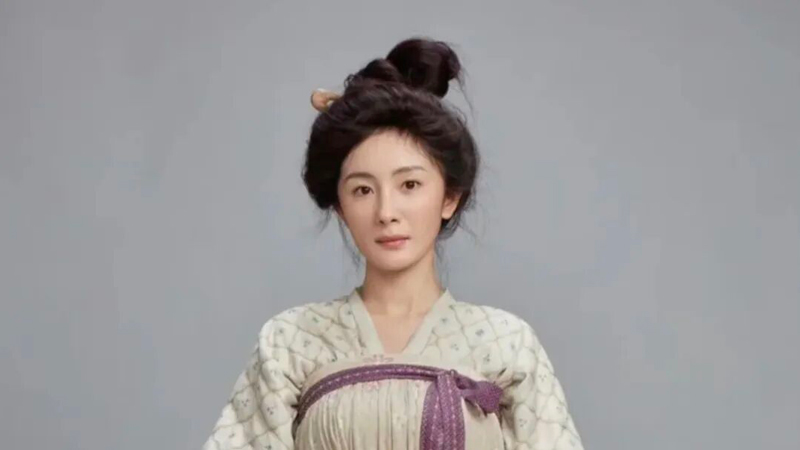
Hanfu revival is everywhere. Scroll through social media, and you will see flowing sleeves, intricate embroidery, and silk ribbons. But a quiet question nags at many: Why isn’t the commoner’s Hanfu making a comeback?
We all have that image from period dramas: the peasant in ragged, grey sackcloth, while the nobleman shines in bright silks. It feels historically accurate, right? Actually, it is a massive oversimplification. The idea that ancient commoners only wore coarse, itchy hemp is a myth perpetuated by television. The reality is that the ancient wardrobe was far more nuanced. People, regardless of status, wanted to look good when it mattered.
The core reason modern enthusiasts gravitate towards the elaborate robes is simple: we have more disposable income now. We want to experience beauty. But this leads to a misconception. We assume that if we are not royalty, we can only wear plain clothes. Ancient commoners did not have to settle for rags. They had their own “formal wear.” While working in the fields required durable fabric, a farmer didn’t wear his work clothes to a wedding. The logic of dressing back then wasn’t a rigid caste system. It was a sliding scale based on context and profession.
The Fabric of Everyday Life
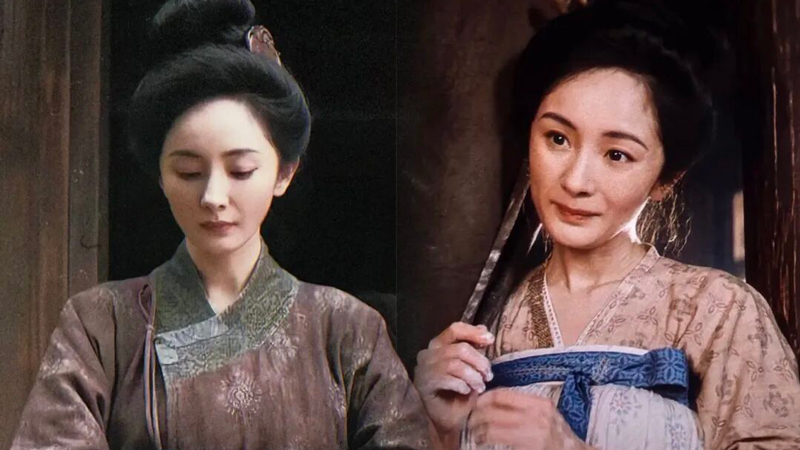
Let’s look at the materials. The average person’s daily wear was indeed made from cotton, hemp, or Ge (葛) fiber—cheap and durable. But even within these limitations, there were levels. A craftsman in the city, a merchant, or a scholar did not labor in the mud. Their daily clothes were often well-made and clean. The difference between them and the aristocracy wasn’t always in the cut, but in the quality of the silk and the dye.
Color was the ultimate status symbol. Bright dyes were expensive and heavily regulated. Ming Huang (明黄), the imperial yellow, was strictly off-limits for commoners. The deep purples and reds were for high officials. So, the commoner’s palette defaulted to natural hues: blacks, browns, and the raw color of the fabric. However, “plain” did not mean “drab.” They used what they had access to, and if a family could afford a slightly better dye, they used it for their special clothes.
Accessories also told a story of status. The wealthy wore gold, silver, and precious jade. The commoner used simple wooden hairpins. Again, it was a matter of economics, not a wall of exclusion. A modest family could save up for a decent wooden comb with an elegant design. These small details show that even within a “lower” social class, there was room for aesthetic expression and personal pride in one’s appearance.
Not All Commoners Are Peasants
This is where the misunderstanding lies. We often conflate “commoner” with “destitute laborer.” Ancient society included a massive middle class. Think of the stable workers, the street vendors, the junior clerks, and the local scribes. These people had steady incomes and homes. They had the financial capacity to own “good clothes.” For them, clothing was an investment, and they prioritized buying quality that would last.
It is inaccurate to say they “couldn’t afford” better clothes. It was more of a “need to save” or “prioritize.” A farmer might own one set of rough clothes for the fields and one respectable set for the market. It is similar to how we save our best suits for job interviews or weddings. It wasn’t about being barred from finery; it was about practicality. Wearing fine silk to plow a field is wasteful, not illegal.
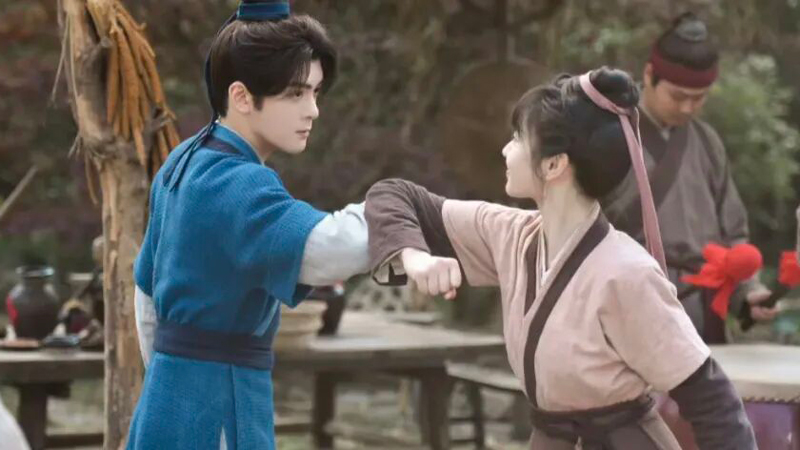
This is why the modern movement of wearing Hanfu daily is not historically inaccurate. You don’t have to pretend to be a prince or princess. You can wear a simplified, practical style. If the ancient middle class could wear decent clothes to town, we can certainly wear modern, simplified Hanfu to the office or the café. It’s about matching the garment to your current lifestyle, just as they did.
When You Could Wear the Crown
Of course, there were lines you could not cross. Some things were absolute taboos.
The first was the imperial ritual dress, like the Di Yi (翟衣). That deep blue robe embroidered with pheasants was exclusively for empresses and high-ranking consorts. Wearing it was political suicide, a direct challenge to the sovereign. It was the equivalent of wearing a military general’s uniform today—illegal and culturally unacceptable.
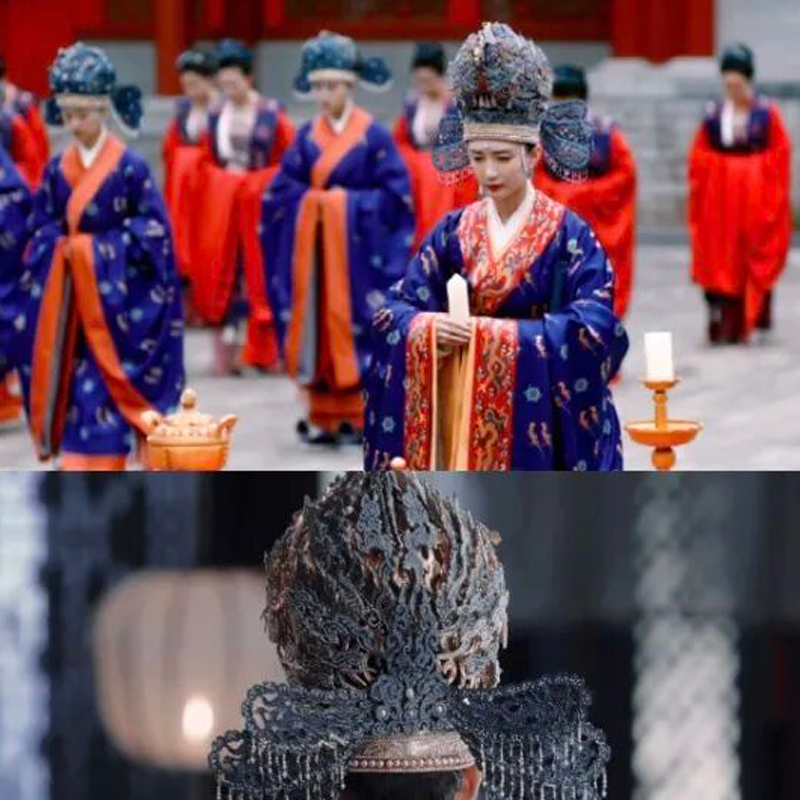
The second strict prohibition was the official court robe. These garments, often with specific Buzi (补子) or rank badges, were symbols of state authority. You could not wear a rank badge you hadn’t earned. It was a serious crime. However, there was a fascinating exception. During the Song and Ming dynasties, a commoner could wear a lower-tier official robe for their wedding. It was a temporary honor, allowing the average man to feel like a minister for a day. This “hack” proves that even strict rules had ceremonial loopholes for important life events.
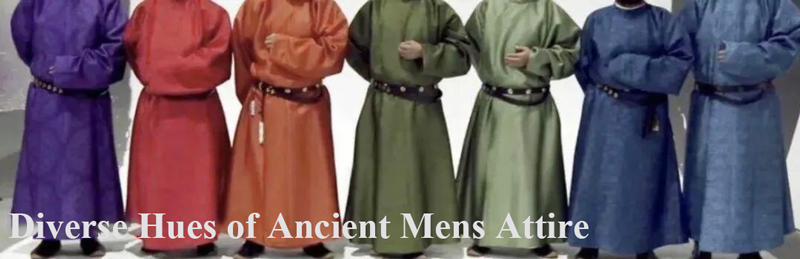
If we look at the paintings that survived, like Along the River During the Qingming Festival (清明上河图), we see a vibrant world. The people are dressed in a variety of colors. It is not a sea of grey. They wore patterns and colorful clothes because they had the means and the desire to do so. They were living their lives, and their clothing reflected that dynamism. The so-called “commoner” style had a distinct charm and practicality that we often overlook for the glamour of the court.
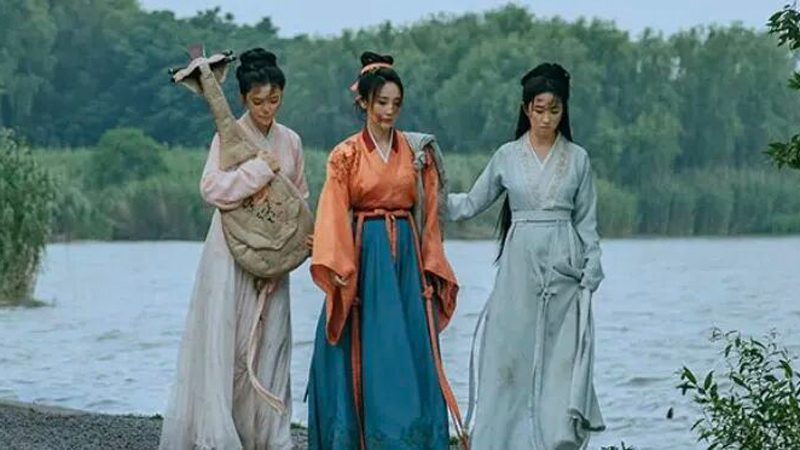
So, comparing “noble vs. commoner” is a flawed way to look at history. The real logic was “ceremony vs. work vs. leisure.” The wedding gown of a wealthy merchant might be as elaborate as that of a minor noble. The Hanfu system was a spectrum, not a binary. The modern trend toward simple, elegant, daily-wear Hanfu is actually the most authentic revival we can have. It honors the millions of hardworking people who made history, not just the heroes on the throne.
A very useful article, thank you! I do european historical reenactment sometimes, we have the same problem with misreprensantations in movies and TV.
So glad you relate! Same annoying trope issue everywhere 😮💨