
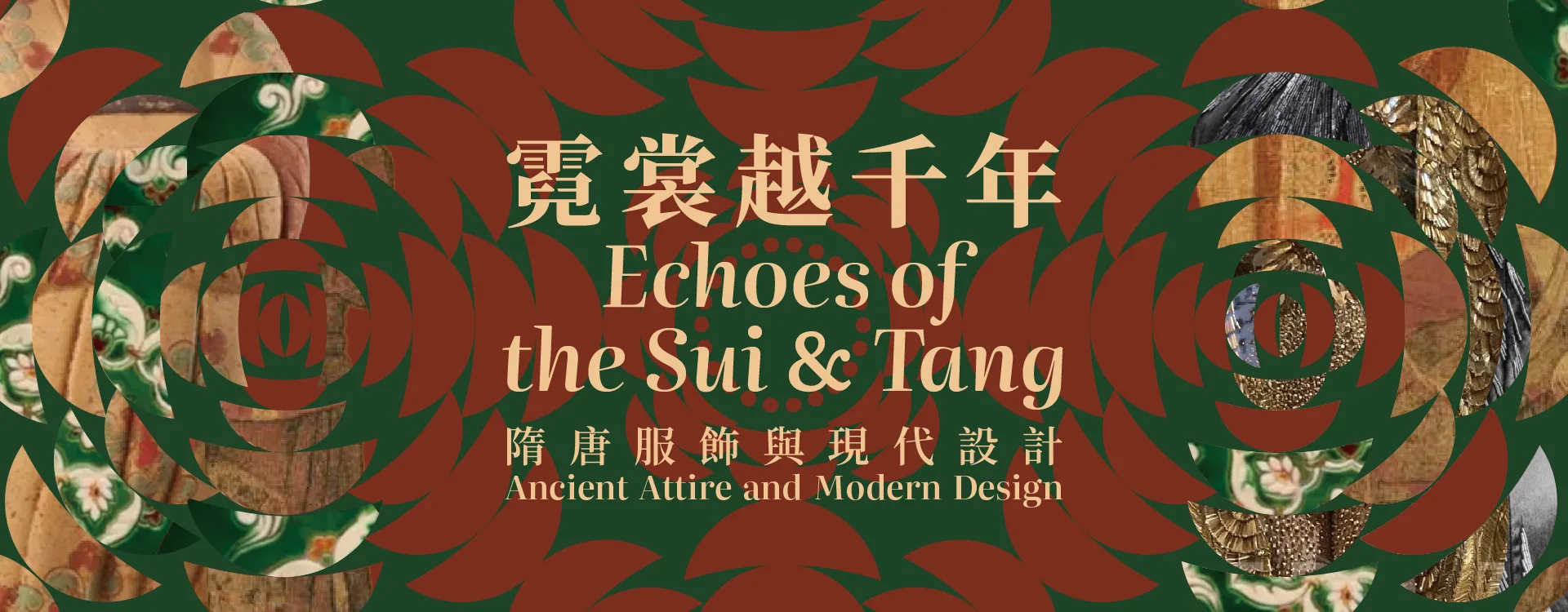
The Chinese Culture Festival 2026 in Hong Kong will present a landmark costume exhibition this August: “Echoes of the Sui-Tang — Ancient Attire and Modern Design” (霓裳越千年 — 隋唐服饰与现代设计). Running from August 27 through September 6 at the Hong Kong Central Library, the free-admission exhibition is the only fashion-focused program among more than 280 events in this year’s festival, making it a must-see for hanfu enthusiasts, fashion designers, and cultural historians alike.
What Is the Chinese Culture Festival 2026?
Organized by the Leisure and Cultural Services Department’s Chinese Culture Promotion Office, the Chinese Culture Festival 2026 runs from June through September under the theme “Legends”. The China Federation of Literary and Art Circles Hong Kong Member Association (香港文联) curates seven flagship programs spanning lectures, exhibitions, dance, and music. These include the Master Lectures series, the “Heluo Connects Hong Kong” exhibition, Heluo Tang Dance, the “Nishang Huayun” intangible cultural heritage dance performance, the “Silk Road Echoes” concert, the Sui-Tang costume exhibition, and the “Beautiful Hong Kong 2.0” cross-cultural music gala. Federation president Ma Fengguo emphasized that Hong Kong, with its deep cultural roots in the motherland and its position at the crossroads of international exchange, bears a mission to promote Chinese traditional culture and tell the stories of China and Hong Kong to the world.
Exhibition Dates, Venue, and Admission
The exhibition opens on Thursday, August 27, with a special preview window from 3:00 PM to 8:00 PM. From August 28 through September 6, it runs daily from 10:00 AM to 8:00 PM. The venue is Exhibition Halls 1 through 5 on the ground floor of the Hong Kong Central Library, a spacious setting capable of housing the exhibition’s three thematic zones. Admission is free, making it accessible to both local residents and international visitors.
Three Thematic Zones: Past, Present, and Future
Recreated Sui-Tang Ancient Costumes
The first zone focuses on faithful reproductions of Sui and Tang dynasty garments. The Sui-Tang period (581–907 CE) represents the first great multicultural peak in Chinese fashion history. As the Silk Road brought Persian, Sogdian, Indian, and Turkic influences into the Tang capital of Chang’an, clothing absorbed an unprecedented range of cuts, patterns, and accessories. Visitors can expect to see key Tang women’s attire: the high-waisted ruqun (襦裙), the half-sleeve banbi jacket (半臂), the flowing silk pibo shawl (披帛), the wide-sleeved da xiu shan robe (大袖衫), and the Huihu zhuang (回鹘装), a Uyghur-influenced ensemble reflecting Central Asian fashion trends of the era. Men’s formal and daily wear — the futou headdress (幞頭), the round-collar yuanlingpao robe (圆领袍), and leather boots — will also be displayed, illustrating how Tang menswear balanced military practicality with courtly elegance.
Contemporary Designer Crossovers
The second zone bridges the 1,400-year gap between Tang aesthetics and today’s runway. Hong Kong-based and mainland Chinese emerging designers have been invited to reinterpret Sui-Tang motifs, color palettes, and fabric language through contemporary fashion. This section explores how Tang-era design principles — bold color contrasts, floral and animal motifs, symmetrical compositions, layered silhouettes — translate into modern ready-to-wear, couture, and accessories. For the hanfu community, this zone offers a rare opportunity to see how museum-level historical research can inform wearable fashion today.
Digital Sui-Tang Cultural Experience
The third zone deploys immersive projection and interactive installations to bring Tang dynasty costume culture into the digital realm. Visitors can explore the intricate patterns of Tang textiles at magnified scale, virtually “try on” different Sui-Tang ensembles through interactive screens, and walk through projected scenes of Tang court ceremonies and Silk Road marketplaces. This digital component reflects the exhibition’s broader goal: making historical costume research accessible to audiences who may never have encountered hanfu or Tang fashion before.
Derivative Products and Extended Programs
Beyond the three core exhibition zones, the organizers have prepared a range of cultural products and supplementary activities. Derivative merchandise inspired by Sui-Tang motifs — including stationery, accessories, and home goods — will be available, extending the exhibition’s aesthetic beyond the gallery walls. Extended programs such as guided tours, workshops, and lectures will be announced closer to the opening date, providing deeper dives for visitors interested in the historical and technical aspects of Tang costume.
For the global hanfu community, the Sui-Tang era holds special significance. It was during this period that Chinese clothing first became a truly international phenomenon. Tang fashion influenced dress codes across East Asia — Japan’s kimono and Korea’s hanbok both trace structural elements back to Tang prototypes. At the same time, Tang China absorbed foreign elements with remarkable openness: Persian floral roundels appeared on silk brocades, Central Asian trousers entered women’s wardrobes, and Indian Buddhist iconography shaped jewelry design. The Tang aesthetic philosophy — confident, expansive, and synthesis-driven — continues to inspire hanfu designers today, whether in historically accurate reconstructions or modern guofeng interpretations.
Hong Kong as a Hanfu Exhibition Hub
Hong Kong’s role as the host city is significant. As an international financial and cultural hub, Hong Kong offers a unique platform where traditional Chinese culture meets global audiences. The Central Library venue, located in the heart of Causeway Bay, ensures high foot traffic and accessibility for both local families and international tourists. The exhibition’s bilingual presentation (Chinese and English) and its integration into a festival with 280-plus programs signal a deliberate effort to position Chinese costume heritage as world heritage — not a niche interest but a cultural asset with universal appeal.
How to Plan Your Visit
The exhibition runs for eleven days, including two weekends (August 29–30 and September 5–6), offering ample opportunity for both weekday and weekend visits. Visitors can check the official Chinese Culture Festival website at ccf.gov.hk for the latest updates on programs, guided tours, and any registration requirements. Those traveling from mainland China or overseas should note that late August in Hong Kong is hot and humid — plan accordingly and consider combining the exhibition with visits to nearby cultural venues such as the Hong Kong Museum of History or the Hong Kong Heritage Museum for a fuller costume-culture itinerary.
What This Exhibition Means for the Hanfu Movement
Government-backed costume exhibitions of this scale are still relatively rare outside mainland China. The Hong Kong CCF’s decision to devote one of its seven flagship programs exclusively to Sui-Tang costume — and to frame it through the lens of contemporary design — represents a meaningful institutional endorsement of hanfu culture. For the hanfu community, this exhibition offers validation, visibility, and a platform for cross-disciplinary dialogue. For the general public, it offers an accessible entry point into a rich tradition that is increasingly shaping global fashion conversations.