
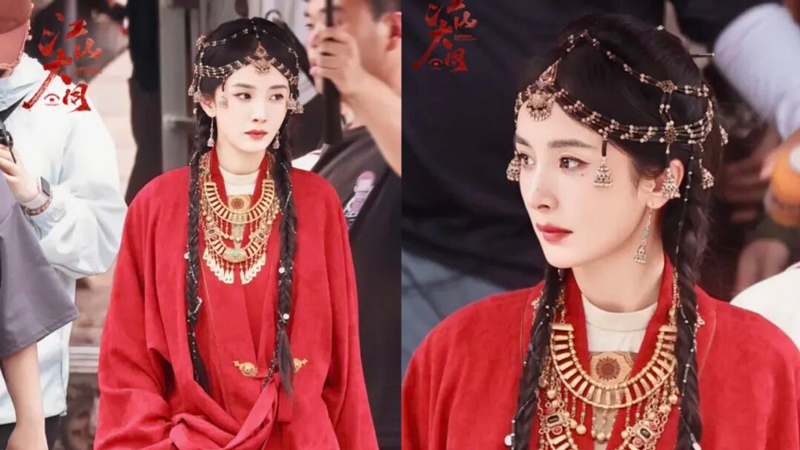
Yang Mi (杨幂), the Chinese actress, recently stepped into the spotlight wearing a deep vermillion robe for her role in the historical drama Jiangshan Datong (江山大同). The internet buzzed not just about her performance, but about the color itself. It is a common belief in China that wearing red improves one’s complexion. But is it just an old wives’ tale, or is there real science and history behind this preference?
It turns out that this vibrant hue is a powerful tool, balancing the principles of light physics with thousands of years of cultural evolution. The specific shade she wore, a vintage cinnabar red, perfectly illustrates why this color has never gone out of style and why it continues to dominate screens and wedding aisles today.
The Science of Glow
The reason red makes a person look vibrant and energized is rooted in the physics of light. Red light has the longest wavelength and the lowest frequency in the visible spectrum. This means it travels further and scatters less in the atmosphere than cooler colors like blue or violet. Consequently, when a person wears red, their presence is immediately amplified. The eye catches the color before it catches details like wrinkles or fatigue.
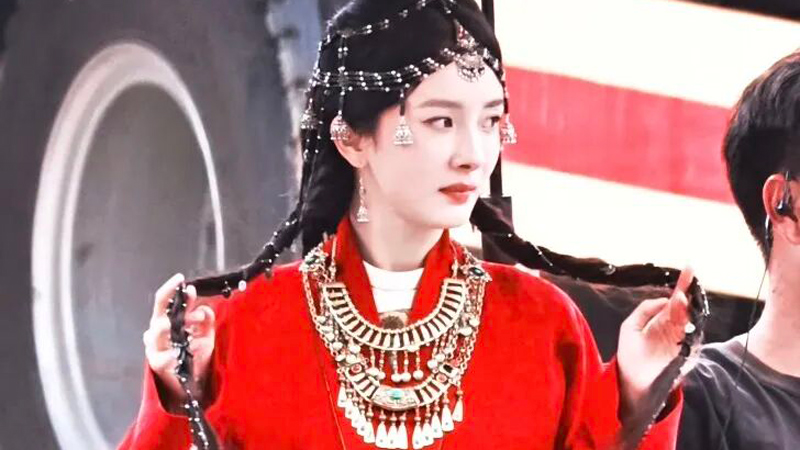
Furthermore, the optical contrast created by red fabric against the skin is scientifically significant. Our everyday environments are often filled with muted tones—greys, greens, and browns. Red stands out, creating a stark contrast that pulls the eye toward the person wearing it. This contrast naturally emphasizes the redness in the skin’s surface, effectively “warming up” the complexion. For those with yellow undertones in their skin, the red neutralizes sallowness, creating a look of health and vitality that requires far less makeup to achieve.
This isn’t just about aesthetic preference; it’s about signal detection. The brain is wired to notice red because in nature, it often signals important information, whether it is ripe fruit or emotional intensity. By donning this color, an individual is effectively utilizing a biological shortcut to look more energetic and commanding, which is why it often appears so striking in modern media.
A Journey Through Time
While physics explains the “how,” history explains the “why.” The reverence for red in China is ancient. During the Pre-Qin (先秦) period, red was considered a noble color. In the Rites of Zhou (周礼), red was listed among the five primary colors that signified the cardinal directions, representing the south. The people of the Zhou Dynasty preferred red for their most significant ceremonies, including sacrifices and warfare. However, this early red was not the bright red of today; it was made from mineral cinnabar (朱砂), resulting in a deep, solemn hue that was almost brown.

The shift from a purely ritualistic color to a more personal one began during the Han and Wei dynasties. As dyeing techniques evolved and madder became more common, a warmer color called Jiang (绛) emerged. This shade, deeper than the ritual red, became the uniform for high-ranking officials. It was during this era that red began its slow association with joy and celebration. Women started wearing crimson headscarves for weddings, marking a transition toward the vibrant life-affirming color we know today.
The Tang and Song dynasties marked the peak of red’s diversification. The Tang Dynasty gave us the famous “pomegranate red” skirts, a vibrant orange-red that even poets like Li Bai (李白) mentioned in their work. This specific shade was achieved by dyeing with safflower and madder. Meanwhile, the more subdued Song Dynasty favored crabapple red and date red, which were softer and more elegant, reflecting a shift toward a more refined aesthetic. Yet, even these softer hues played a role in solidifying red’s status as the color of celebration.
The Ming Finale
The Ming Dynasty served as the final architect of red’s cultural dominance. It was during this period that the color code was fully codified. Official records dictated that bright red was reserved for royal ceremonies, while common people were permitted to wear it specifically for weddings. This historical decree cemented red as the color of matrimony, a tradition that persists powerfully into modern times.
This historical evolution adds a layer of depth to why Yang Mi’s particular shade of vintage red was so effective in Jiangshan Datong. It was not just a random bright color; it was a meticulous blend of the solemnity of the Qin and Han dynasties and the celebratory warmth of later periods. It perfectly suited her character, Empress Dowager Feng (冯太后), who was known for her strength, composure, and resilience. The color supported the narrative without overpowering it.
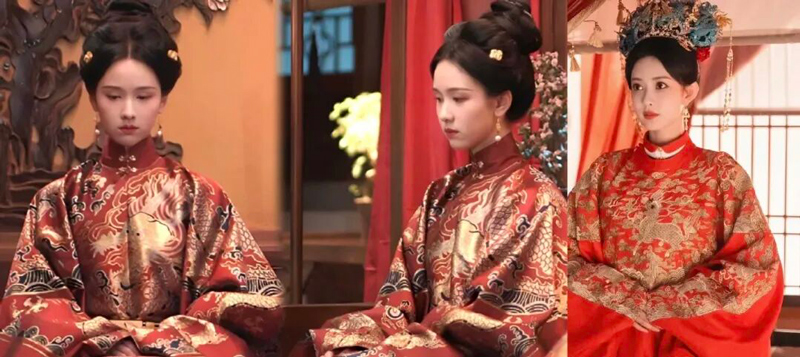
Ultimately, the appeal of red transcends trends. Whether it is the commanding presence of the Han Dynasty’s officials or the quiet warmth of a Song Dynasty dress, red represents a connection to the past. It is a color that says, “I am here, and I am ready for celebration.” Yang Mi’s recent appearance is a beautiful reminder that sometimes, the old ways are the best ways. The ancestors understood that color isn’t just about what we see, but about how we make others feel, and how we feel about ourselves.