
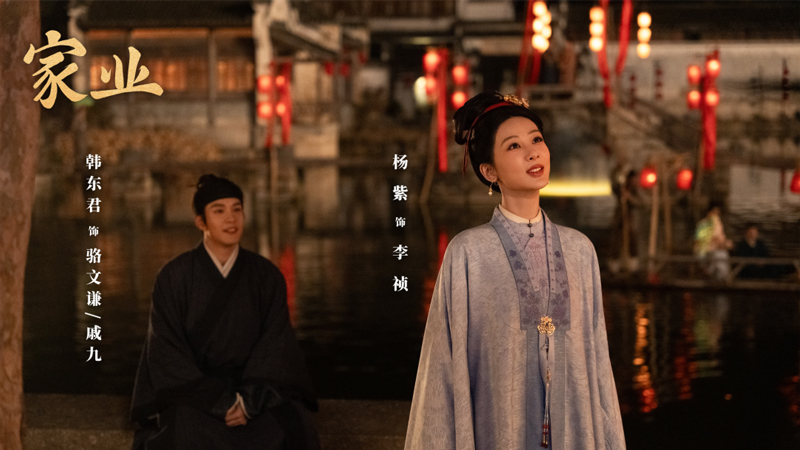
What if the key to saving a dying ink empire came from a disfigured old woman lighting a lamp? In The Mo (家业), Li Zhen inherits Li Mo (李家墨), a once-renowned ink brand in Huizhou (徽州), only to face disaster after disaster. First, a crippling shortage of pine trees—the sole source of premium soot—strikes the region due to a bizarre pestilence. Then, the powerful Tian (田) family, backed by imperial ink contracts, demands to seize every last piece of timber. Li Zhen (李祯) is trapped: surrender the wood and ruin her family’s reputation, or resist and be jailed for “obstructing imperial orders.”
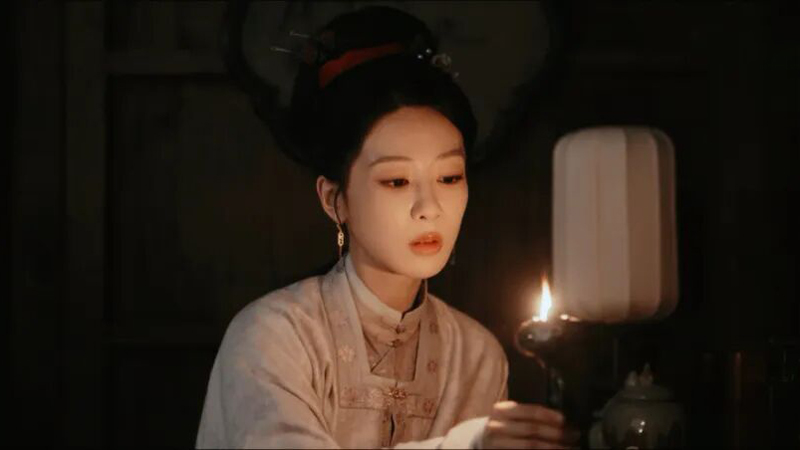
But fate arrives in the form of an old woman named Li Choupo (李丑婆), who sits by the bedside of the comatose Seventh Grandmother. Each night, she burns a small lamp fueled not by ordinary oil, but by something far stranger. Li Zhen barely notices the smell at first. She has no idea that this single flame will rewrite her future—or that the woman tending it is not who she seems.
The Desperate Gamble
The Tian family doesn’t negotiate. They issue an ultimatum: hand over the pine timber that Li Zhen’s great-uncle died to protect, or face charges that will shutter the workshop and put every Li relative behind bars. Li Zhen paces the darkened halls of her ancestral home, running numbers that never add up. Without pine soot, she cannot fulfill the orders she just signed. Without those orders, Li Mo becomes worthless. Every path leads to ruin.
Then she visits Seventh Grandmother’s sickroom. A faint, sweet-smelling smoke curls from a clay lamp by the bed. It’s not the usual oil—it’s Songzhi You (松脂油, pine resin oil), raw and sticky, burning with a dark, heavy flame. Li Choupo explains that the old woman simply enjoys the scent. But Li Zhen’s mind catches fire. What if she burns resin instead of timber to collect soot? She rushes to her workshop, scrapes the crude lampblack from a test pot, and nearly shouts. The particles are finer, denser, and richer than anything she’s made from aged pine logs.
Within days, Li Zhen strikes a deal that leaves the Tian family smirking—until they read the fine print. She hands over the contested timber but demands ten years of rights to the Tian family’s own pine forest. They think she’s a fool. They don’t realize she no longer needs their wood at all. The resin oil burns cleaner and yields more soot per pound. What looked like a surrender is actually a coup. And it all began with one old woman’s lamp.
The Scarred Savior
But why would Li Choupo, a lowly temple keeper with a face marred by burns, know anything about resin oil? The answer hides behind her scar. Watch her hands when she tends the lamp—they move with the precision of a master ink maker. Listen to her mutterings about old Luo Shi (骆氏) techniques, dismissed as senile rambling. In truth, Li Choupo is Luo Mengzhen (骆梦真), a prodigy everyone believed died in a fire decades ago. She created the very ink blending method that made the Luo family famous. She is, without question, a genius.
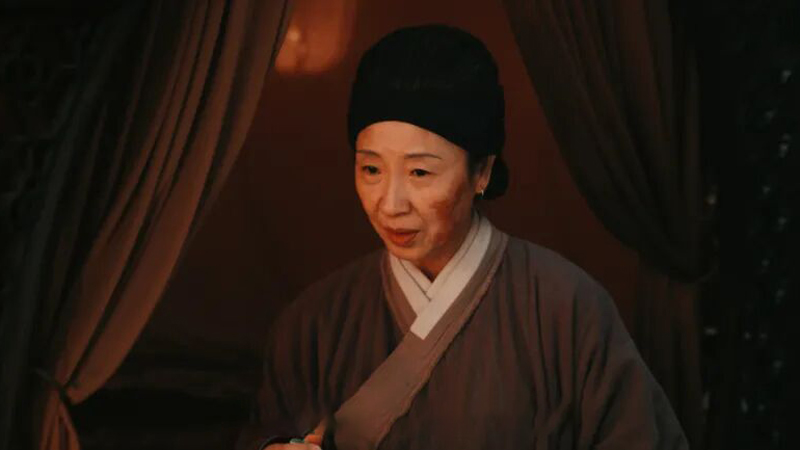
So why hide in a crumbling family shrine, pretending to be a nobody? Because after the Luo family fell, Seventh Grandmother took her in without question. She gave her shelter, a new name, and a quiet corner of the world to heal. Li Choupo never forgot that debt. When she heard that Li Zhen was fighting for survival, she hatched a silent plan. She knew that pine resin oil could be used for soot—she’d experimented with it years ago. But revealing the secret outright would raise too many questions. Instead, she lit that lamp every night, right under Li Zhen’s nose, letting the smell do the teaching.
She never expected gratitude. She doesn’t want recognition. But her deliberate act—a single flame fueled by knowledge and loyalty—saves the Li family from ruin. And she’s not done yet. Over the months that follow, Li Choupo will “accidentally” leave the right ingredients on a workbench, hum a forgotten mixing ratio, or “remember” an old trick just when Li Zhen hits another dead end. She becomes the invisible hand guiding a new generation, all while pretending to be nothing more than a scarred old woman who likes the smell of burning resin.
Good Deeds Return
The crisis passes, but the lesson lingers. Seventh Grandmother’s kindness—taking in a disgraced friend without hesitation—ripples across decades to save her own family. Li Zhen’s willingness to listen, to observe a small, strange detail instead of dismissing it, turns a random lamp into a lifeline. And Li Choupo’s quiet, deliberate intervention proves that the most powerful help often wears the humblest face. No grand speeches. No heroic rescues. Just a flicker of light in a dark room.
What of the Tian family? They celebrate their “victory,” believing they’ve broken Li Mo for good. But they don’t see the resin-fueled kilns burning through the night. They don’t know that Li Zhen now produces soot faster, cheaper, and better than any competitor in Huizhou. Their arrogance, their abuse of imperial privilege, their theft of another family’s sacrifice—all of it is building toward a reckoning. In The Mo, no tyrant lasts forever. And when the Tian family finally falls, it won’t be a sudden storm. It will be the slow, quiet work of people who remember every small act of cruelty—and every small act of grace.
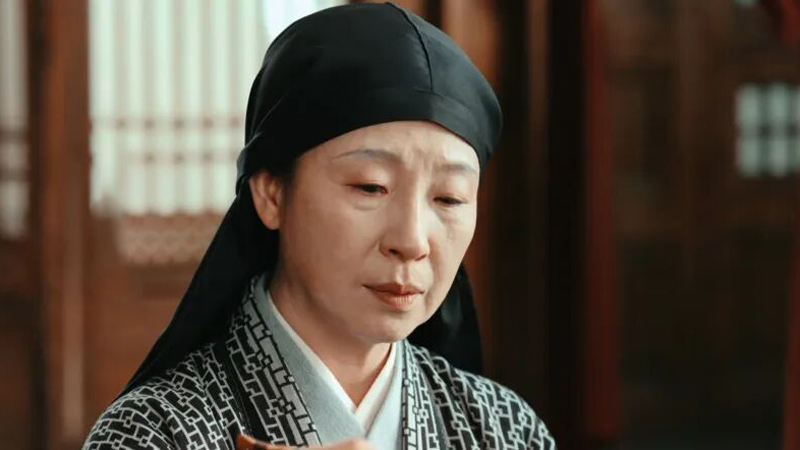
In the end, Li Choupo never reclaims her former name. She stays in the Li family compound, her scars untouched, her past a whisper. When Li Zhen marries and has children, the old woman sits by the fire and teaches them how to grind soot, how to blend glue, how to read the smoke of a dying lamp. She doesn’t tell them she once revolutionized ink making. She doesn’t need to. Her legacy lives in every brushstroke they will ever make. And that, perhaps, is the truest form of revenge against a world that tried to burn her alive.