
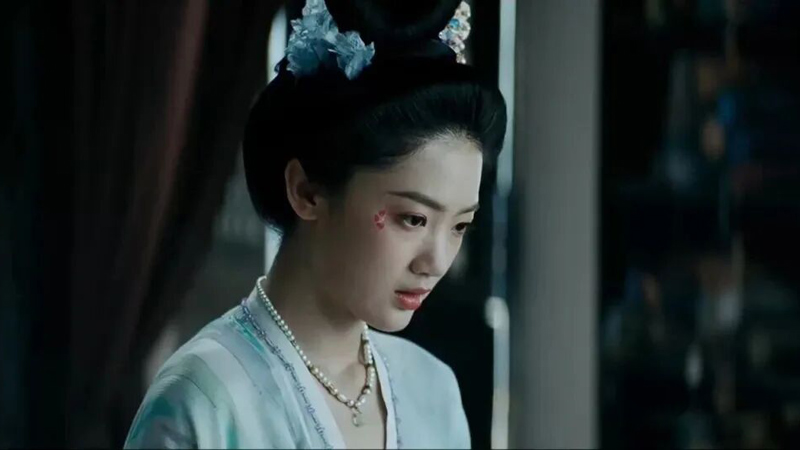
The Tang Mist (大唐迷雾) is a haunting mystery set in ancient China. A young woman named Du Ruo (杜若) drowns herself after her fiancé Qi Feng (齐风) dies in a fire. But when she returns as a vengeful water ghost, the story takes unexpected turns. Who is the real killer? And why does a famous detective let a lie stand? This article unpacks the drama’s shocking twists—from a false ghost to a father’s sacrifice. Get ready for love, betrayal, and a finale that asks: can the dead ever truly rest?
Ghost or Grief?
Du Ruo sleepwalks toward a river. In her dream, Qi Feng’s spirit leads her by the hand. She walks desperately, helplessly, full of longing. The water rises—first to her knees, then her chest, then her chin. If servants had not pulled her out, she would have drowned. The household panics. A Shen Po (神婆) arrives to drive away evil. She waves incense and chants. Then she drops a strange clue: Qi Feng died by fire, not water. Strange, right? But Du Ruo’s family thinks, let her have this comfort. Grief is a heavy chain. Better to believe in ghosts than to face emptiness.
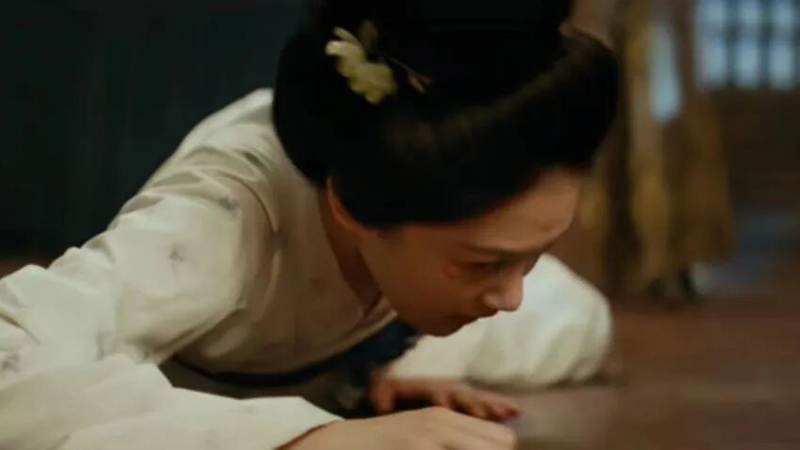
Days later, Qi Feng appears alive. He asks Du Ruo to meet him at a scenic spot called Bu Xian Xian (不羡仙)—a name meaning “no envy of immortals.” She goes. He smiles. Then fire erupts. Qi Feng burns to death again. This time for real. Du Ruo watches flames consume the man she loved twice. The audience (me included) thinks: the Qi family’s enemy struck fast. But something feels off. The arsonist, a servant named A Cai (阿财), is found dead. Another servant, Lai Fu (来福), surfaces. And a jade ring—once owned by a man named Wang Xian (王显)—appears on A Cai’s finger.
Where is Wang Xian? The show plants a seed of doubt. When officials pull a charred body from the ruins, Du Ruo’s eyes go cold. Not sad. Not shocked. Cold. That look screams guilt. Did she kill Wang Xian? The question hooks you like a fish on a line. You cannot stop watching.
The Truth Burns
Under interrogation by Detective Di Renjie (狄仁杰)—a real historical figure known for solving impossible cases—Du Ruo confesses. She admits to dressing as a water ghost. She admits to murder. She says Wang Xian and his father Wang Dingrong (王定荣) destroyed Qi Feng’s family for money. Then Wang Xian raped her. Then he beat her daily. “He deserved to die,” she whispers. The audience nods. But Di Renjie is not satisfied. He notices tiny cracks in her story.
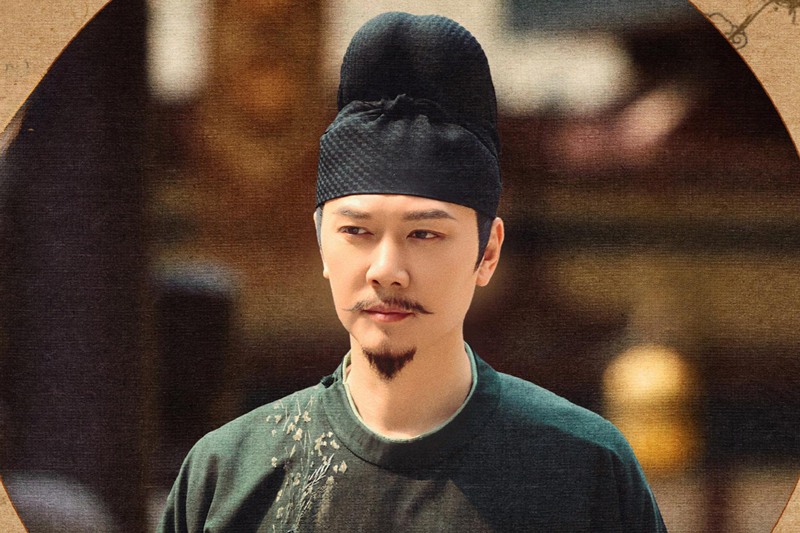
The real water ghost is not Du Ruo. It is her father. He appears before Di Renjie and confesses everything: how he built a ghost costume, how he stalked Wang Xian, how he killed the man who tortured his daughter. “I did it all,” the old man says. His voice is steady. His eyes are dry. He asks for nothing except to take his daughter’s place in prison. But Di Renjie asks a strange question: “Are the peach blossoms at Bu Xian Xian more beautiful this year than before?” The father answers without thinking: “Yes.”
There are no peach trees at Bu Xian Xian. None. Ever. Di Renjie smiles slightly. He knows the father did not kill Wang Xian. The real killer is still Du Ruo. But he also knows something else: a father’s love is the deepest river in the world. The detective chooses silence. He lets the old man play the hero. He lets Du Ruo walk free—for a moment. Justice bends, but does it break? The drama leaves that for you to decide.
Love That Drowns
Du Ruo cannot accept her father’s sacrifice. She returns to the river. Not as a ghost this time—as a woman who has lost everything: her fiancé, her dignity, her innocence, and now her father’s future. She walks into the water. The same water that once led her in a dream. But now no spirit holds her hand. The river swallows her slowly. She goes to find Qi Feng. Perhaps her parents wait there too. The drama ends with a question mark hanging over the waves.
What does this story teach us? Love and cruelty live side by side. Du Ruo killed because she was broken. Her father lied because he could not bear to see her suffer. Even Detective Di Renjie bent the rules—not for corruption, but for compassion. Yet the show does not excuse murder. It simply asks us to look at the roots of evil. Wang Xian tormented a woman for years. He thought weakness meant consent. He learned too late that even a rabbit bites when cornered.
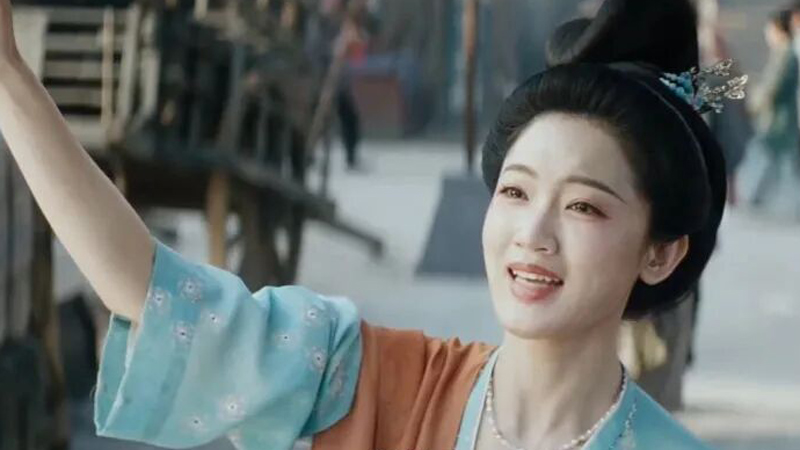
May good people know peace. May evil find no place to grow. And may those who harm others drown in the weight of their own sins. The Tang Mist is not a simple ghost story. It is a mirror. Look closely. You might see a reflection of a world where victims become villains, where love becomes obsession, and where water keeps every secret—until it does not.