

After a six-month silence, the Chinese animated epic Purple River (紫川) finally returned on May 12, 2026, with two consecutive episodes. The show’s second season will race to its 52nd episode, and the third has been confirmed as the final chapter—promising the most heartbreaking and explosive arc from the original novel: the “Revolt of the Three Heroes.” Yet this comeback is bittersweet. Despite its reputation as a “ceiling of epic national wave animation,” the series now faces lukewarm viewer numbers, pacing complaints, and the harsh question: after so many delays, can it still ignite the passion it once commanded?
The Long Wait
Streaming data tells a blunt story. Purple River’s current platform popularity score sits below 16,000, while a typical hit national wave title easily tops 20,000. The gap stings. Why? First, the source material is hardcore—military strategy, political scheming, and a massive human-Demon Race war. It lacks the fluffy magic or hot-blooded cultivation that draws massive crowds. Second, the show has developed a painful rhythm: air, halt, re-air, halt again. Each break—this one lasting half a year—erodes narrative flow and fan patience.
The marketing silence makes it worse. Official promotions barely exist beyond a few short videos on Douyin. Core fan hubs like Weibo and Bilibili? Almost nothing. No character posters, no voice actor events, no deep-dive lore explainers. When a show returns from a long hiatus without a proper fanfare, even loyal viewers may not notice. And those who do notice may feel betrayed by the repeated “update-stop-update” cycle. It’s a textbook case of how irregular scheduling can kill momentum.
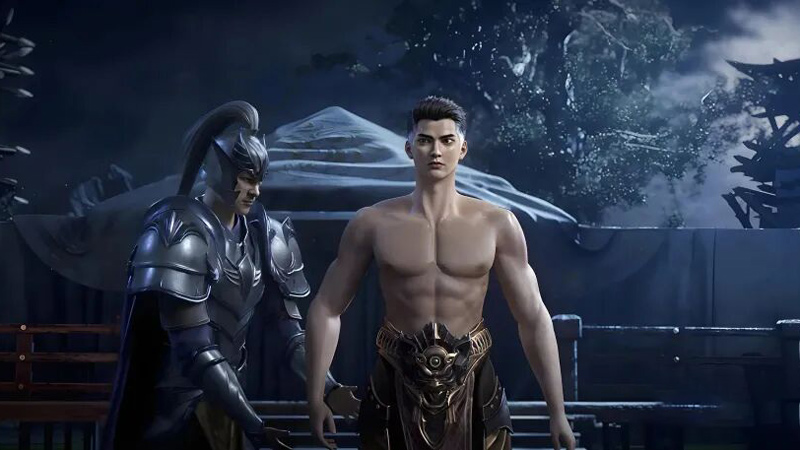
Episode 42 also sparked complaints about deliberate padding. Lengthy, irrelevant dialogues and recycled shots slow down what should be a tense war progression. One fan comment sums it up: “We waited half a year for this?” The combination of low promotion, slow pacing, and a niche genre has left Purple River in a dangerous spot—beloved by its core base but struggling to attract or even remind casual audiences.
War’s Toll
Despite the viewership woes, episodes 41 and 42 deliver genuine emotional punches. The plot focuses on the Demon Race’s massive invasion and the crumbling human defense line. The male lead, Zichuan Xiu (紫川秀), is still absent—he lurks in the Far East, quietly plotting his eventual storm. But the female lead, Liu Fengshuang (流风霜), shines. As a legendary commander of the Liu family, she dons full armor and leads the Red Banner Fourteenth Army on a daring raid behind enemy lines, breaking the siege of Danya City (旦雅城) with a vastly outnumbered force. She is the epitome of a warrior heroine.
Then there is Sitelin (斯特林), one of the famed Three Heroes. He breaks your heart. Years of nonstop combat have aged him beyond his years. His temples show frost, his face is gaunt, and his eyes hold a bottomless fatigue. From the bloodbath at Paiyi (帕伊) to the open-field slaughter at the Austrian Plain, Sitelin has stood on the front lines against the Demon Race without respite. The animation captures every wrinkle, every weary glance. You feel the war’s cruelty not as a plot point but as a physical weight on his shoulders.

This is where Purple River excels. It does not glorify battle or serve cheap heroism. Instead, it shows the cost: brothers scattered, youth burned away, and a human race hanging by a thread. The reunion of the Three Heroes may be what fans wait for, but Sitelin’s lonely suffering reminds us that epic stories demand real sacrifice.
Beyond the Hype
Is Purple River perfect? No. The padding in episode 42 is real. The hiatuses are frustrating. The low heat is embarrassing for a show once called an “epic milestone.” Yet to dismiss it would be to ignore what makes it irreplaceable. In a market flooded with flashy cultivation fantasies and sugary romances, Purple River stands as a rare serious-minded military epic. It trusts its audience to follow complex alliances, betrayals, and the grim arithmetic of war.

The production values remain top-tier. Character models—like the intricate details on Liu Fengshuang’s armor or the micro-expressions on Sitelin’s battle-worn face—are carefully crafted. The massed Demon Race army scenes carry real scale and dread. And the story is only accelerating. Season two will run to episode 52, setting the stage for the “Revolt of the Three Heroes”—the novel’s most devastating arc where brother turns against brother. Season three, the final season, will fully unleash that tragedy.
So here is the truth. Purple River may have stumbled. Its return may lack the fireworks it deserves. But for viewers who crave dense, somber storytelling—who want to see heroes bleed, age, and break—this is still the show to watch. The Three Heroes are not invincible legends. They are tired, flawed, and sometimes absent for episodes at a time. That is precisely why their final journey matters. The last 11 episodes of season two, and the upcoming final season, will determine whether this epic ends as a masterpiece or a missed opportunity. Either way, it deserves your eyes.
