
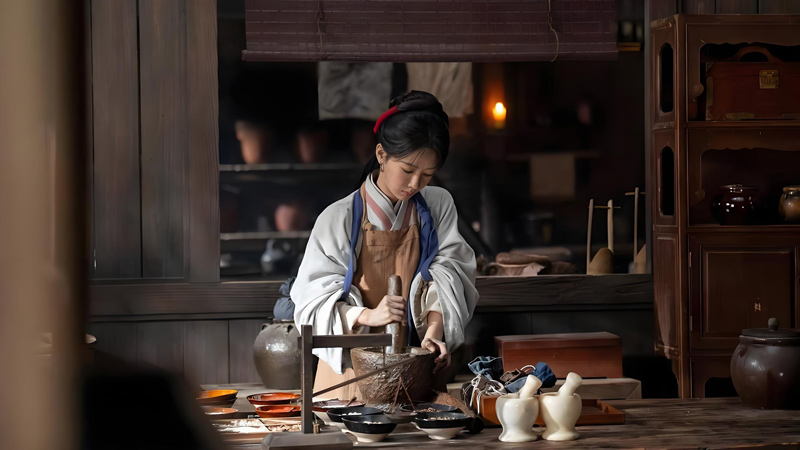
The first three episodes of The Mo (家业) dropped like a thunderclap. Viewers raved about Li Zhen’s (李祯) dramatic broken engagement, but that surface thrill hides a web of quiet signals. The writers didn’t just craft a revenge arc; they sewed tiny hints into every frame – from a hidden silk scroll to a child’s fleeting glance at a lantern festival. These clues don’t just foreshadow plot twists; they unpack the brutal reality of a Ming-dynasty ink village where women couldn’t own land, sign contracts, or even fix a broken stove without a man’s permission. Let’s walk through eight details you probably skimmed past. Each one changes how you see the rest of the season.
The Sole’s Secret
Li Zhen’s father didn’t give his ink formula to his son or the clan head before he died. Instead, he copied it onto a thin silk strip, rolled it tight, and tucked it into his daughter’s shoe sole. Many assumed it was simple fatherly love. But the script uses this moment to expose a harsher truth: the family rule “pass to men, not women” was never about skill. Women couldn’t legally establish a household. They couldn’t buy land, sue in court, or even hire a repairman for the ink stove. The shoe sole became a legal loophole – because no official would ever search a woman’s footwear.
That silk strip held the recipe for Seven-Smoke Ancient Ink, a lost masterpiece that required seven types of pine soot. Li’s father knew his daughter had the talent, but he also knew the system would crush her if she tried to claim it openly. So he hid the knowledge where no magistrate, rival, or greedy uncle would think to look: under her foot, step by step, as she walked her own path.
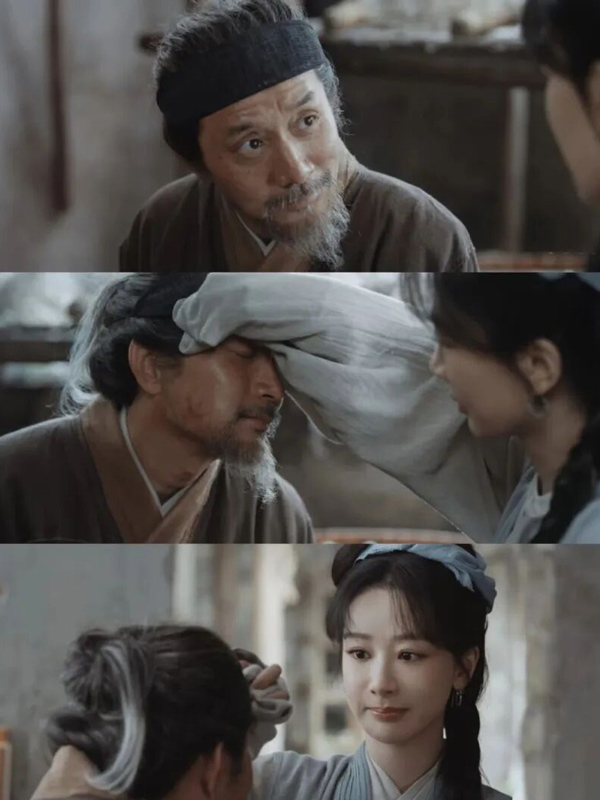
This detail quietly rewrites what “inheritance” means. It’s not about bloodline or gender. It’s about who can physically hold the recipe and survive. Li Zhen’s later rise in the Huizhou (徽州) ink industry starts right here – not with a dramatic speech, but with a father stuffing paper into a shoe.
Fish Lanterns and Ghost Hands
Episode one opens with a split-second shot: young Li Zhen and young Luo Wenqian (骆文谦) brushing past each other in a crowd during the Fish Lantern parade. The fish lantern is a real Huizhou folk tradition – but here, it becomes their shared childhood ghost. Neither remembers the moment as an adult. Yet that floating fish, glowing in the dark, ties them together years before their families become bitter rivals in the tribute ink case. The writers don’t explain this. They just flash the image once. That’s how real memory works – fragmented, visual, and loaded with meaning you only understand later.
Then there’s Luo Wenqian’s first appearance. He wears silk robes like a spoiled merchant’s son, but look at his fingers. Faint ink stains line his nails and cuticles. He doesn’t just trade ink; he makes it. His hands tell a story his clothes try to hide. That stain is the first crack in his rival facade. Later, when he and Li Zhen shift from enemies to partners, you’ll remember those fingers – already dirty with the same craft she bleeds for.
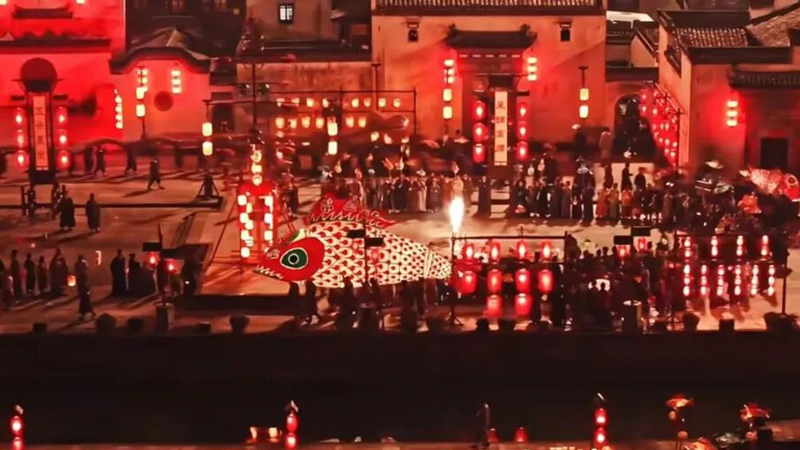
These two details – the accidental meeting and the secret ink stain – form a quiet prophecy. The fish lantern says they’ve always been on the same road. The ink stain says they speak the same language. The drama never shouts this. It just lets you spot it, like finding a hidden seam in a piece of silk.
Empty Plaques and Hidden Hands
The Li family ancestral hall holds one empty wooden plaque. Most viewers miss it because the camera slides past quickly. That empty space belongs to Li Zhen’s grandfather, Li Jinshui (李金水). He was expelled from the clan for disagreeing with the elders. After his death, no one allowed his tablet into the hall – a spiritual death sentence in Ming-dynasty logic. Li Zhen doesn’t just revive the family ink business later; she first drags her grandfather’s plaque back into that hall. The drama doesn’t announce this as a big hero moment. It just shows her carrying wood. That’s how tradition breaks – not with speeches, but with one woman carrying an ancestor past men who said no.
And who blocked the grandfather? Look at the Tian family. Their patriarch, Tian Wanshan (田万山), says in his first scene: “The Huizhou ink industry should have changed dynasties long ago.” He doesn’t whisper it. He declares it. That line exposes his true plan. The tribute ink disaster that destroys both the Li and Luo families? He orchestrated it. But he’s just a pawn. The real mastermind sits in the imperial court – the Yan Song (严嵩) faction. They use the tribute ink case to loot Huizhou’s wealth and crush anyone loyal to the emperor’s other advisors. Tian Wanshan thinks he’s taking over the ink trade. In reality, he’s a blade in someone else’s hand.
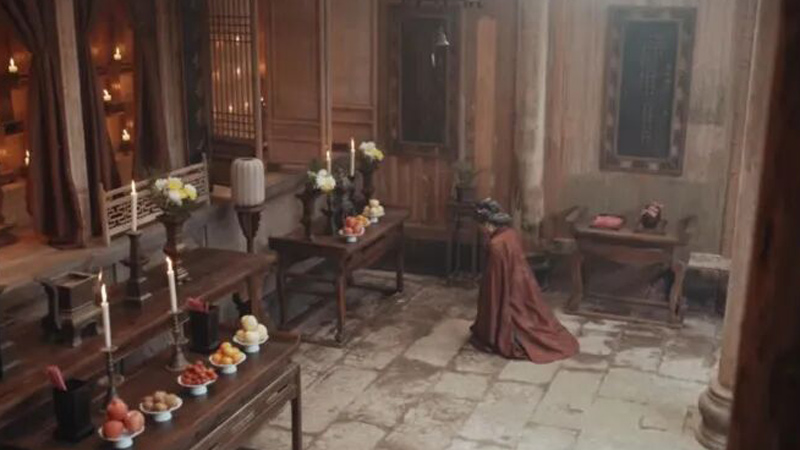
Li Zhen’s struggle later isn’t just against a rival family. It’s against a corrupt court network that sees her entire town as a money bag. The empty plaque and the hidden court faction are two ends of the same rope – one tied to family shame, the other to state-sponsored greed. Neither will loosen easily. But the show has already planted the knots in episode one, waiting for you to find them.