
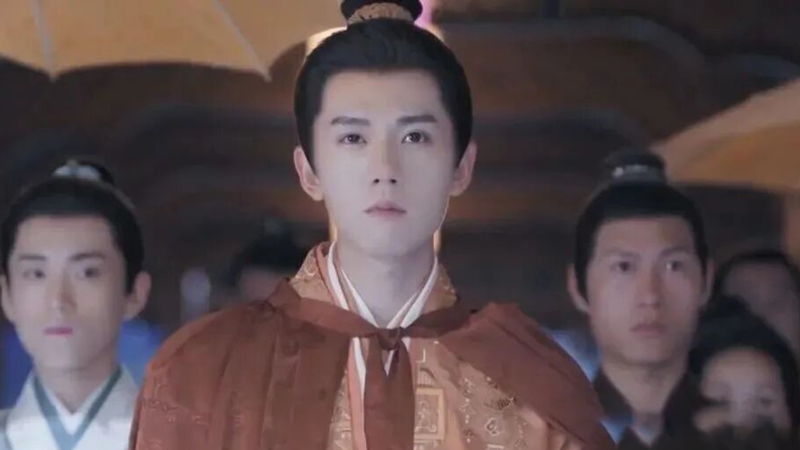
Forget the flashy male leads with their grand gestures and burning passion. After watching A Splendid Match (良陈美锦), one quiet character keeps lingering long after the final credits roll. While audiences swoon over the devoted chief advisor Chen Yanyun (陈彦允) or shed tears for the fiery heir Ye Xian (叶限), another man moves in silence. He doesn’t declare love from rooftops or fight duels for honor. Instead, he shows up with a stack of Yin Piao (银票) and a simple question: Are you happy? This article argues why cousin Ji Yao (纪尧) – not the flashy heroes – deserves the title of the drama’s best man. His love story is not about winning. It is about letting go.
Restrained Devotion
Ji Yao grows up beside Gu Jinchao (顾锦朝) as her older cousin, trained from childhood by their grandmother to lead the family. He is steady, wealthy, and emotionally controlled. While other men shout their feelings, he keeps his locked inside. But when malicious rumors target Gu Jinchao’s reputation, Ji Yao does not hesitate. He prepares an extravagant Jia Zhuang (嫁妆) – a bride price – and marches to her door to propose marriage. This is not a impulse or a chance to take advantage of her vulnerable state. He simply wants a legal title to protect her openly. In his mind, her shame hurts more than his own.
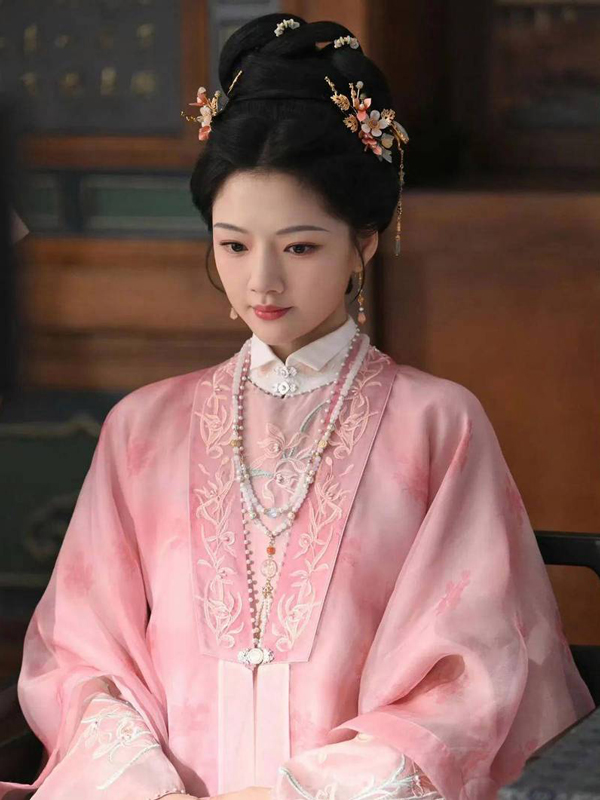
Yet Gu Jinchao has already given her heart elsewhere. She rejects him gently but clearly. She explains that she needs the kind of love that keeps a person awake all night, tossing and turning, face burning with every thought. Watching her walk away, Ji Yao repeats her words softly to himself. His eyes carry a sadness that needs no translation. He finally understands a painful truth: the same feverish longing she describes – that is exactly how he feels about her. But he also realizes that her heart races for someone else.
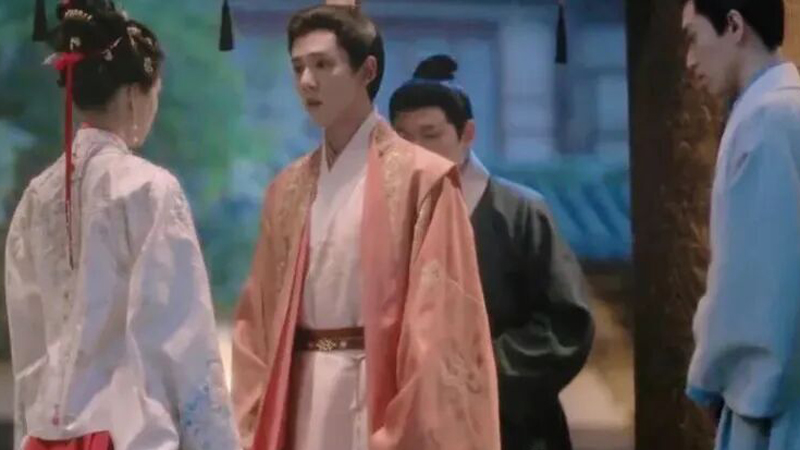
This moment defines Ji Yao’s character. He does not beg, blame, or scheme. He accepts her choice without a single bitter word. His love has always been quiet, and now it becomes invisible. Unlike the two male leads whose affection feels possessive and demanding, Ji Yao’s devotion asks for nothing in return. He simply wants his childhood companion to live the life she dreams of – even if that life does not include him.
Unspoken Generosity
When news arrives that Chen Yanyun has formally asked to marry Gu Jinchao, most people celebrate her good fortune. A high-ranking Shou Fu (首辅) wants her – what a match! But Ji Yao feels no joy. He worries deeply. Marrying up means entering a powerful household where she could face bullying from senior wives or mistreatment from servants. Who would she turn to for help? Where would she find comfort if her new family turned cold? While others see status, he sees isolation.
The next time they meet, Ji Yao says nothing about his worries. Instead, he pulls out a thick stack of Yin Piao and pushes it into her hands. This is his private gift to her – separate from any family dowry. He tells her plainly: keep this money for yourself. No matter what happens in her married life, having her own funds will give her confidence and an escape route. If she faces humiliation, she can walk away. If she needs to bribe a servant or hire a lawyer, she will not have to beg anyone.
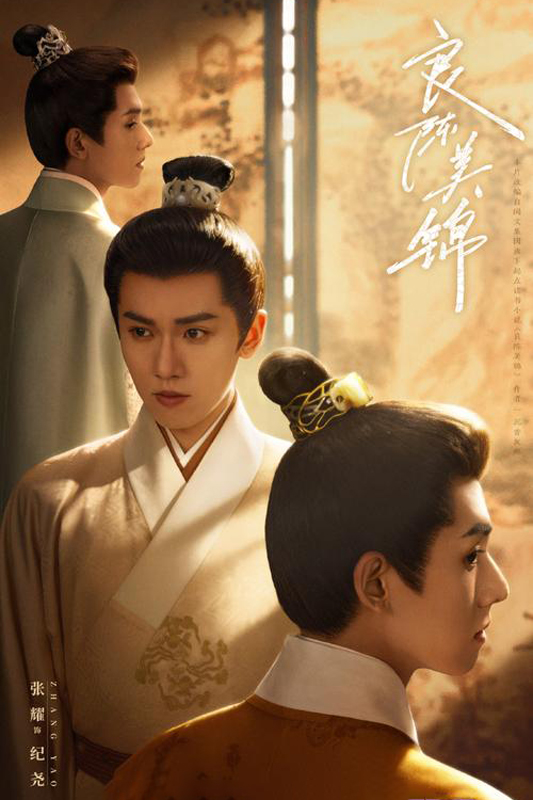
This scene hits harder than any dramatic confession. Ji Yao understands something many romantic heroes miss: love is not about grand speeches or jealous outbursts. It is about practical support. He gives her the most honest form of care – financial independence. In a world where women’s security depends on their husband’s favor, he hands her a real backup plan. He does not expect gratitude or a change of heart. He just wants her to feel safe.
The Better Choice
Viewers debate endlessly over Chen Yanyun’s obsessive devotion and Ye Xian’s passionate pursuit. Both men love Gu Jinchao fiercely. But their love comes with conditions – they want her for themselves. Ji Yao alone loves without ownership. He proposes not to claim her but to shield her. He gives money not to buy her affection but to ensure her freedom. When she rejects him, he steps back gracefully. When she marries another, he worries only about her happiness, not his own loneliness.
This kind of love feels rare even in fiction. It requires emotional maturity and genuine selflessness. Ji Yao never says “I love you” aloud, but his actions scream louder than any dialogue. He prepares Yin Piao like ammunition for life’s battles. He offers marriage like an umbrella against the storm of gossip. He asks for nothing – not even a thank you. Modern audiences might call this “attachment without expectation,” but in the world of A Splendid Match, it is simply Ji Yao being Ji Yao.
Would I choose Chen Yanyun? Probably not. Would I run to Ye Xian? Unlikely. But give me a cousin who shows up with cash, dignity, and zero drama – and I am holding on tight. Ji Yao proves that the best man is not the one who fights the loudest or loves the hottest. He is the one who says, “Go be happy. And here is some money, just in case.” That is not just romance. That is wisdom.