
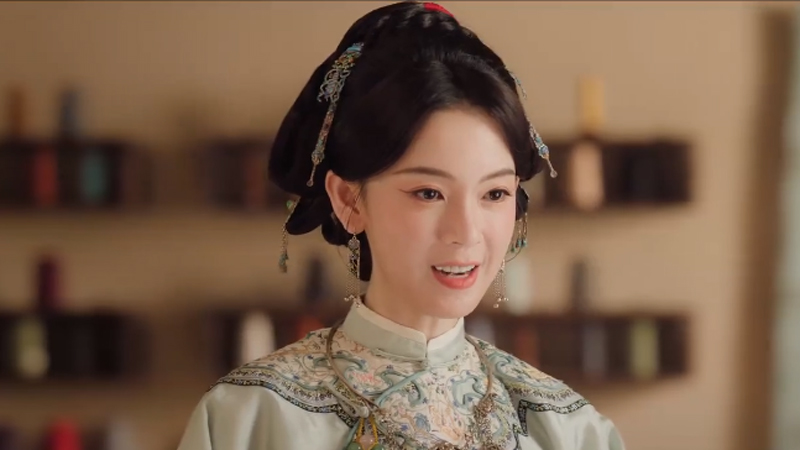
Why is Chen Yao wearing an ear pick on her head in Jiumen (九门)? Her character, Huo Xian Gu, sports a hairpin that looks exactly like a modern ear pick—and that’s because it is one. This is the Er Wa Zan (耳挖簪), or “ear-pick hairpin,” a traditional Chinese accessory that has been around for over a thousand years. It’s a perfect example of how the ancients designed objects for multiple uses, combining beauty with everyday function. In the drama, Chen Yao plays both Huo Xian Gu and her past life incarnation, Lin Lan Qing, a Qing Dynasty embroiderer. The hairpin she wears isn’t a random prop—it’s a historically accurate piece that tells a story about practicality, social status, and the quiet ingenuity of daily life in ancient China.
What Exactly Is It?
The hairpin that looks like an ear pick is exactly that—a hairpin with a small scoop at one end. One side is the standard pin shaft, used to secure a bun or hairstyle, while the other is shaped into a tiny spoon for cleaning ears. It’s a classic example of ancient multi-purpose design: wear it as decoration, take it off when you need to clean your ears, and put it back when you’re done. No pockets, no pouches, no fuss.
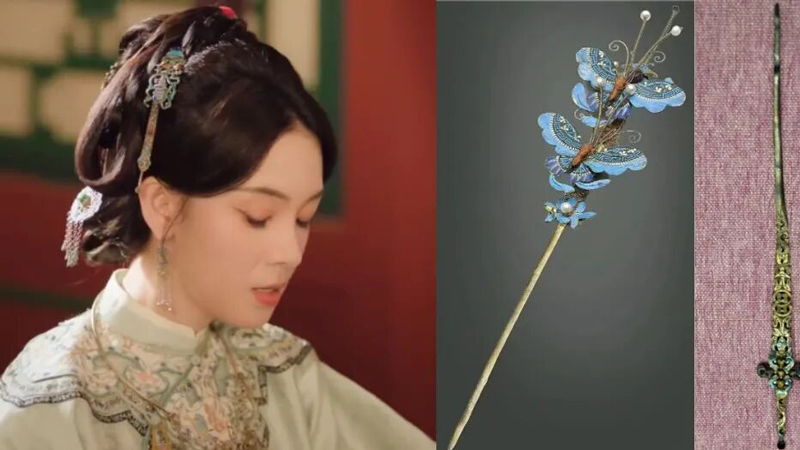
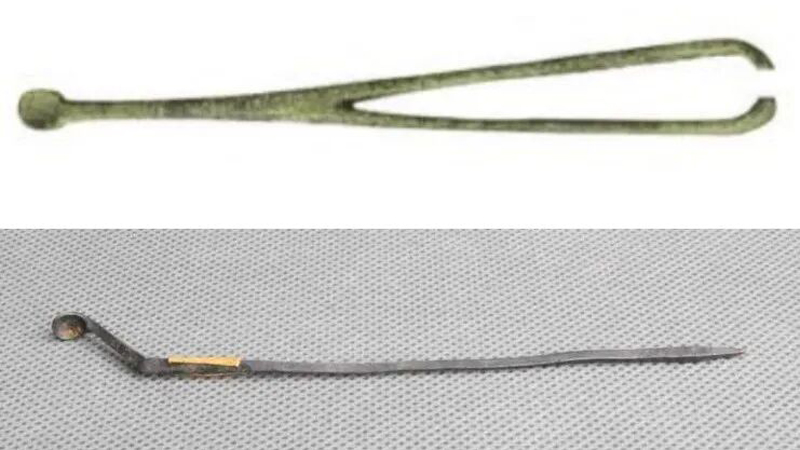
The concept dates back to the pre-Qin period, when early ancestors crafted small ear-cleaning tools from animal bones and jade. During the Han Dynasty, women popularized tall buns that required pins to hold them in place. Someone had the bright idea to combine the ear pick with the pin itself. When not in use, it stayed in the hair; when needed, it was right there—far more convenient than tucking it into a sleeve, and much harder to lose.
By the Wei and Jin Dynasties (220–420 AD), the ear-pick hairpin had spread among the common people. This period also saw the rise of Buddhism, which emphasized the “six sense organs” being pure—the ear being one of them. Cleaning earwax and keeping the ears clean became associated with spiritual cultivation and inner peace. Archaeological finds from this era have been uncovered in places like Guizhou, Jiangsu, and Hebei, showing just how widespread the practice had become.
From Practical Tool to Fashion Statement
By the Tang Dynasty, the design had evolved into the Er Nie Zan (耳镊簪)—an ear pick on one end and a small pair of tweezers on the other. The tweezers could be used for plucking eyebrows, trimming sideburns, or other grooming tasks. It was a multi-tool worn in the hair, and it stayed popular through the Song, Yuan, and Ming dynasties.
The Ming and Qing dynasties were the golden age of the ear-pick hairpin. It became a must-have accessory for everyone—from imperial concubines in the palace to ordinary women in the countryside. What made it so enduring was its sheer practicality. Ancient clothing had no pockets. Robes had wide sleeves and loose fits—perfect for losing small items. A loose ear pick was easy to misplace; one worn in the hair was always within reach.

But practicality didn’t mean plainness. During the Qing Dynasty, master craftsmen applied techniques like Zan Ke (錾刻, engraving), Shao Lan (烧蓝, enamel firing), Dian Cui (点翠, kingfisher feather inlay), and gemstone setting to these tiny pins. Surviving pieces from the Qing show an incredible range of materials and designs—gold, silver, jade, enamel, and feathers, all worked into intricate shapes. A single small hairpin could be a masterpiece of several different crafts.
More Than Just a Hairpin
The beauty of the ear-pick hairpin was that it crossed class boundaries. Aristocrats could afford fine materials and elaborate carving; ordinary people made do with simple copper or silver versions. Either way, it served the same purpose: keeping hair in place and ears clean, all while looking good on the head.
This kind of multi-purpose design wasn’t unique to hairpins. The ancients had a knack for combining function with fashion. There were San Tiao Zan (三条簪), three-pronged hairpins that could double as self-defense weapons. There were “vase hairpins” that could hold small amounts of water. Some rings had tiny seals built into them. These weren’t just decorations—they were solutions to everyday needs, woven into the objects people wore every day.
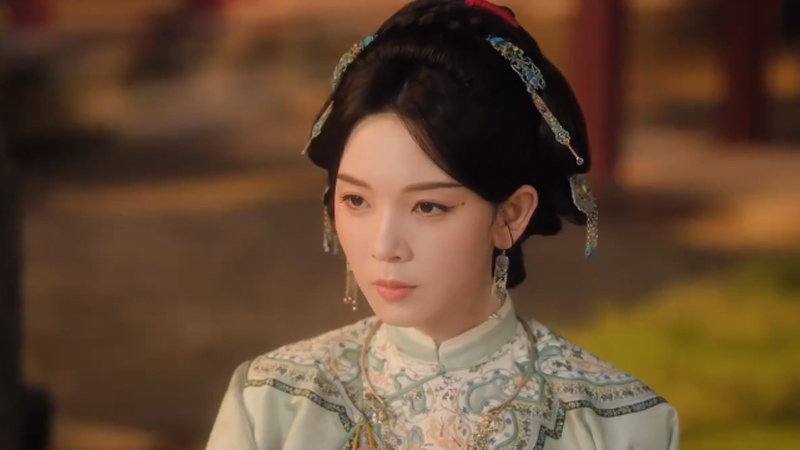
So when Chen Yao’s character in Jiumen wears what looks like an ear pick in her hair, it’s not a modern anachronism—it’s a historically accurate Er Wa Zan. The production team gave it a Shao Lan enamel finish in soft, elegant tones that match her pale blue robes and the patterns on her cloud collar. The design isn’t overly ornate, which suits the character’s gentle, composed demeanor. It’s a small detail, but it’s one that shows how much thought went into recreating the look and feel of a bygone era—and how the simplest objects can carry the most meaning.