
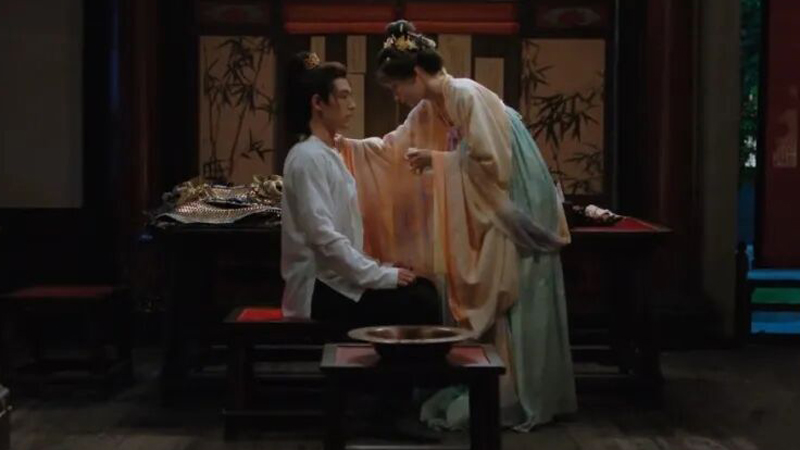
Royal Betrothal (御廷谣) has a scene that stops viewers cold: Shen Zhili, a woman who famously faints at the mere sight of blood, calmly cleans and dresses Di Nian’s (狄念) wounds without so much as a wobble. How does she manage it? The answer lies not in a magical cure but in three gritty truths—desperation, devotion, and a dose of hard-won grit. Let’s break down why this “fainting flower” suddenly finds her spine when it counts most.
No One Else Is Standing
The Cha Wen Yuan (察闻院), once the old Ministry of Justice’s interrogation side hall, carries a reputation as a “haunted house.” Early on, Yin Qing (尹清) performed exorcism rites there, and Shen Zhili passed out twice just from seeing blood on his mouth. Her condition is no joke. But on that particular day, the compound is a ghost town of duty. Meng Tinghui (孟廷辉) is glued to Yan Fuzhi’s sickbed, unable to move. Shen Zhishu (沈知书), lovesick and distracted, is useless for practical help. Yin Qing himself is racing around hunting for an antidote.
That leaves Di Nian—wounded, exhausted from a daylong search for Ling Yunfeng—and Shen Zhili. The math is brutal: if she doesn’t step up, no one will. So she swallows her dread, picks up the cloth, and works. It’s not bravery in the heroic sense; it’s the plain, unglamorous kind that comes from being the last adult in the room. She doesn’t stop being afraid—she just has no choice but to act anyway.
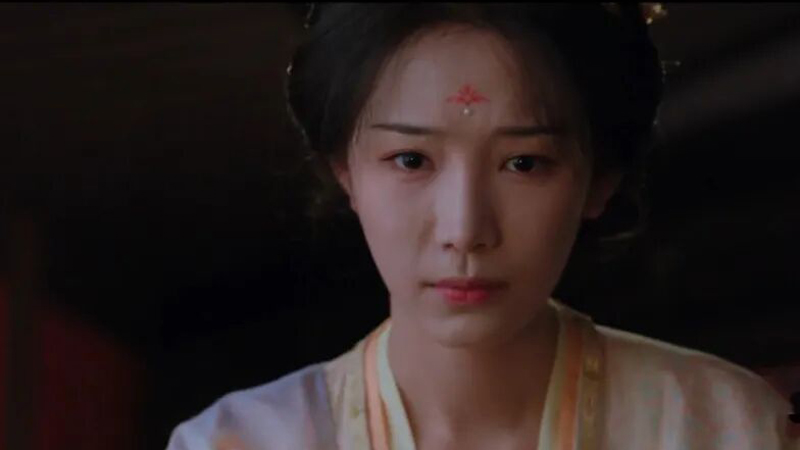
This is the first layer of her transformation: necessity overriding instinct. She’s not cured; she’s cornered. And sometimes, being cornered is the push that reveals what we’re truly made of.
A Bond Stronger Than Fear
Di Nian is no ordinary colleague. Orphaned after his father, a marquis, died in battle alongside his entire clan, he was taken in by Shen Zhili’s father, the Grand Tutor Shen, as a foster son. He grew up in the Shen household, sharing meals, lessons, and childhood squabbles with Shen Zhili and her brother. They aren’t blood, but they’ve spilled enough tears and laughter together to blur that line.
To Shen Zhili, he’s not “Agent Di”—he’s her foster brother, her charge, her family. When she sees his wound, every maternal, sisterly instinct fires at once. Her mind doesn’t register blood; it registers pain—his pain. The protective part of her brain hijacks the fear center. She’s not ignoring the crimson; she’s prioritizing the person wearing it.
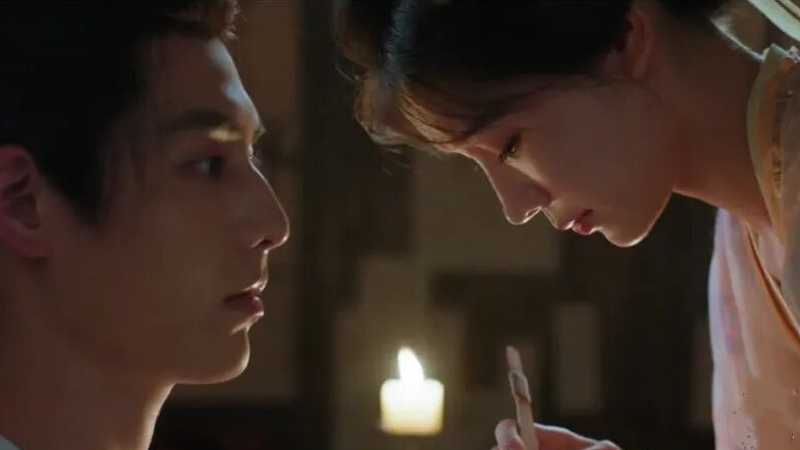
This is where fear meets love—and love wins. It’s not about willpower in a vacuum; it’s about identity. She has always been the sister, the protector in small ways. Now that role demands more, and she rises to meet it. Not because she’s fearless, but because she’s more afraid of failing him than of fainting.
Forged by Fire
Let’s rewind. Shen Zhili was the pampered second daughter of a top official, raised on poetry, praised for beauty and talent, and rumored to be the future empress. She could have coasted. Instead, she passed the imperial exams, earned a Bangyan (榜眼) rank, and joined the Cha Wen Yuan to work alongside Meng Tinghui. That choice changed everything.
Since then, she’s witnessed Master Lü (吕) beaten to death on the spot, nearly been blown up herself, and survived the Xingrong Gambling House (兴荣赌坊) affair—one brutal lesson after another. Each incident peeled away a layer of fragility. She didn’t just observe violence; she absorbed its reality. The “gentle lady” who once swooned at a paper cut slowly learned that the world doesn’t pause for her sensitivity.
So when she kneels beside Di Nian, it’s the culmination of that education. She’s still the same person who hates blood—but she’s also someone who has watched friends bleed, who has cleaned wounds before, who knows that terror is a luxury she can no longer afford. Her maturity isn’t about conquering fear; it’s about making peace with its presence while getting the job done.
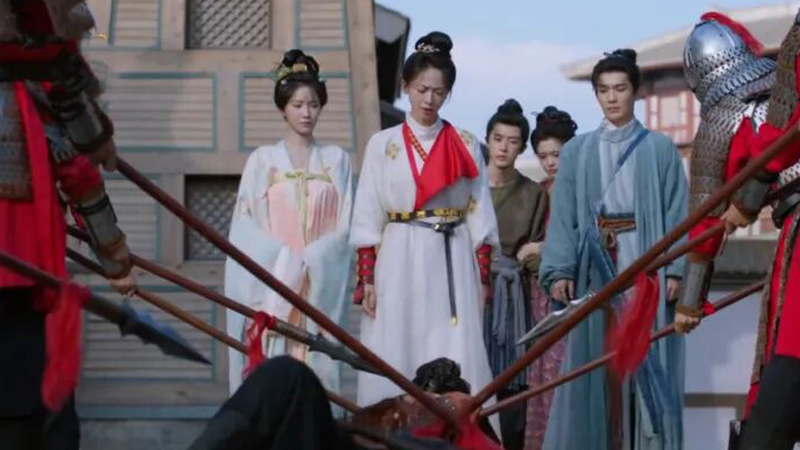
In the end, Shen Zhili’s scene isn’t a magical breakthrough—it’s a quiet testament to how humans adapt. She didn’t stop being afraid; she just found three reasons to push through: no backup, fierce love, and a scarred but stronger self. That’s not drama—that’s life. And it’s why audiences don’t just watch her; they root for her.