
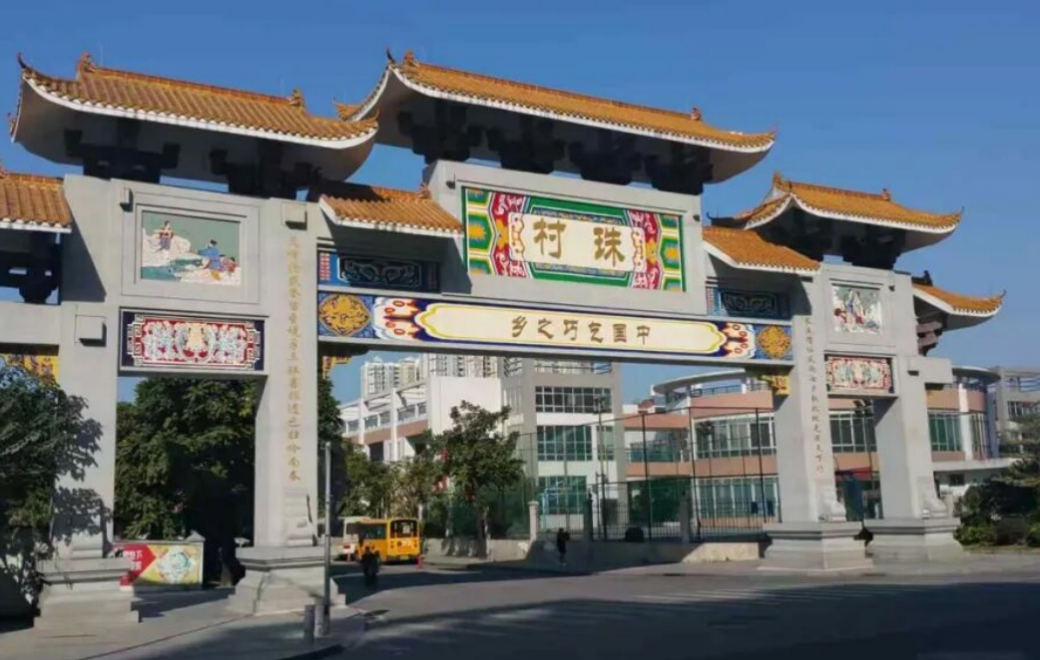
Qixi begins long before the seventh night of the seventh lunar month in the villages around Guangzhou. In Zhucun (珠村), a neighborhood known as “China’s first Qiqiao village,” women have spent generations preparing the ba qiniang offering tables, arranging miniature palaces, embroidered slippers and hand-tied flowers on display stands that can run several meters wide. The practice, called ba qiniang (摆七娘), is the heart of the local Qiqiao festival, and this year it shares the calendar with something the village matriarchs never planned for: robots.
The Weaving Maid’s Week
On August 13, the 2026 Zhuji Subdistrict Qiqiao Culture Week opened in Tianhe District under the slogan “Heritage Meets Guochao, Technology Meets Romance.” A day later, on August 14, the “Qixi in Tianhe, Love in Guangzhou” festival formally launched at the Tianhe District Culture and Arts Center, guided by the district party publicity department and organized by the district culture and tourism bureau with the Zhuji Subdistrict office. The seven-day program folds two intangible heritage traditions, Zhucun’s Qiqiao and Guangzhou’s dragon boats, into segments covering performances, cultural study tours, folk processions, theater, light shows and technology interactions.
Six sites across the district are running ba qiniang displays from August 13 to 19: the Guangzhou Qiqiao Culture Museum, Zhucun’s Mingde Hall (明德堂), the Qishe canteen, the North Emperor Temple, the Yijiang Pan Ancestral Hall and the Yuande Chen Ancestral Hall. Offerings range from delicate papercraft to hand-stitched needlework, each piece carrying its maker’s name and often a wish. Since August, the Qiqiao Culture Museum has also added an exhibition on Zhucun dragon boat culture, pairing the two heritages in one visit.
AI Robots in an Ancestral Hall
The most talked-about addition is the parade on August 19 at 10 a.m., when a folk procession sets out from the Qiqiao memorial archway toward Mingde Hall. Hanfu-dressed performers walk alongside Lingnan lion dance teams and interactive AI figures of the Cowherd and the Weaving Maid, who enact the magpie bridge story beside human drummers. From 9 a.m. to 6 p.m. the same day, the Qiqiao Culture Museum and Mingde Hall both host an immersive AI show, with custom-built Chinese-style robots running bilingual voice systems and a library of traditional etiquette gestures inside the century-old halls.
August 14 also brought the premiere of Qiqiao Yuan (乞巧·缘), an original heritage play written and performed by Guangdong Performance Company, drawn entirely from Zhucun’s local customs. Its four movements move through the classic Qiqiao rituals, the offering of the Seven Ladies, homage to the Seventh Sister and needle-threading contests for skill. The same evening saw the release of a companion picture book, “Mortal Threads, Immortal Ties: Qiqiao in Zhucun” (仙凡尘缘之珠村乞巧), and the official certification of the district’s thirteenth batch of district-level intangible heritage items and its first heritage workshops.
What Visitors Can Do
Across the week, the program keeps a full schedule. August 15 at 10 a.m. brings an open-air Cantonese music performance at Zhucun’s Qiqiao Garden, with the Guangdong classics “Colored Clouds Chasing the Moon,” “Thunder on a Dry Day” and “Climbing Higher Step by Step.” On August 19, from 7:30 to 9:30 p.m., a Cantonese opera evening at the district arts center, produced with the Guangzhou Cantonese Opera Theater, presents the “Seventh Sister opera.” Two free film screenings anchor the nights: the animated “Little Monster of Langlang Mountain” (浪浪山小妖怪) at the Shitao Pan Ancestral Hall on August 13, and “Falling Into the Mortal World” (落凡尘) at the Qixi Culture Square on August 19. A heritage study program runs eight free workshop sessions at the Qiqiao Culture Museum from August 13 to 18, and a heritage market opens at Canton Tower plaza from August 13 to 19. The “Tian Gong Qiao” intangible heritage design contest, which began in August, runs until December.
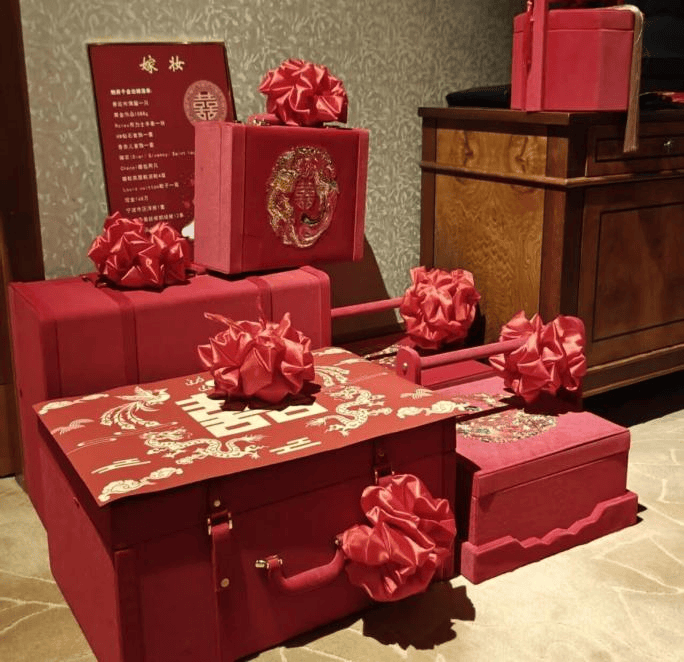
An annex hall on the first floor of the district arts center pairs Tianhe’s Qiqiao customs with Guangzhou wedding traditions, recreating the ji li coming-of-age rite for young women and a Han-dynasty wedding ceremony, with embroidery and bridal costume sections for visitors to try on. One detail ties the whole program together: anyone holding a festival ticket can scan it into the “One Phone, Tour Tianhe” mini-program to unlock discounts at shopping malls, hotels, scenic spots and restaurants across the district, a quiet reminder that a folk festival in 2026 also runs on consumption vouchers.