
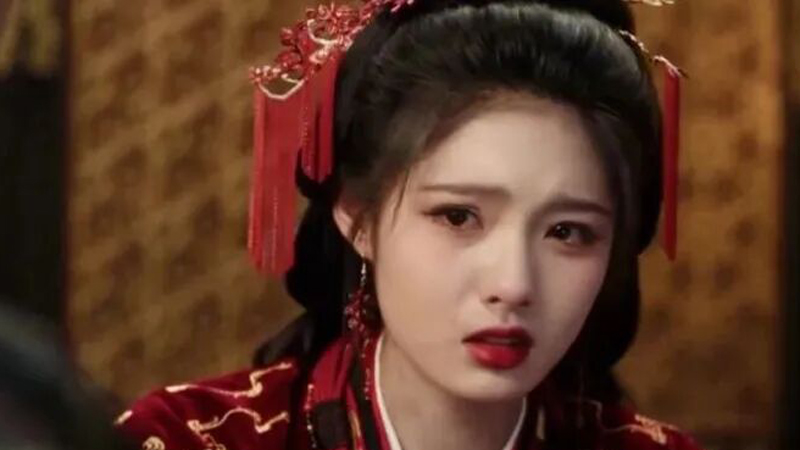
Key to the Phoenix Heart (雀骨) just dropped its finale, and the internet is split. Was Xie Jiayu (谢嘉鱼) a heartbreaker who switched lanes too fast? Or did she simply outgrow a man who stopped walking beside her? The truth lies in a tiny slip of paper hidden inside a jade crown—and it changes everything.
The Note That Rewrites Everything
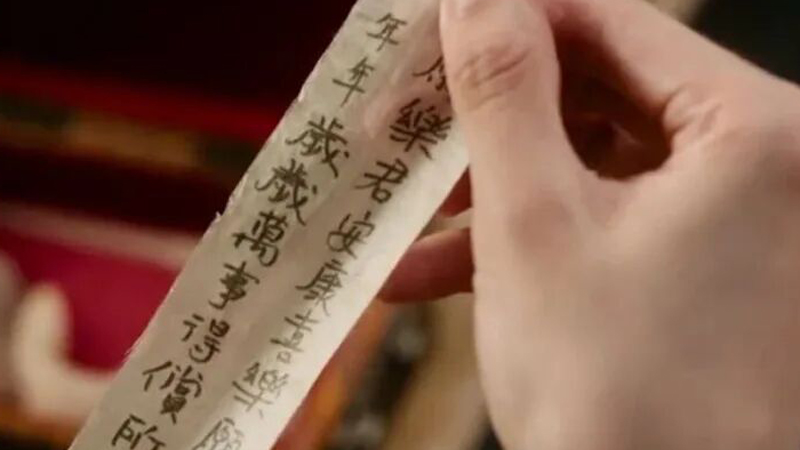
In the final episode, Li Mao (李茂) pulls out the ornate jade crown that Xie Jiayu gave him years ago. Tucked inside is a handwritten message: “May you, my dear Lejun, know peace and joy. May I and A-Mao stay together through every year, every season, and may all our wishes come true.” Viewers immediately pounced. Some cried, “If he had found this earlier, they would have had a chance!” Others shrugged, “He knew about it all along. This scene is just his way of closing the door for good.”
Either reading leads to the same cold fact—these two have no future. Not as lovers, not as friends, not even as distant acquaintances who occasionally nod in passing. The note wasn’t a missed signal; it was a tombstone for a dream that died long before the paper yellowed.
She Never Switched—She Woke Up
Let’s kill the “she moved on too fast” argument right here. From day one, Xie Jiayu wanted one thing: to run away with A-Mao to some nameless village where no one knew their faces or their families. Even after she was married off to another man, even after he entered the palace as a eunuch, she kept scheming, bribing guards, forging letters—all to steal one more hour with him. That is not the behavior of a fickle woman.
So when did the switch flip? It wasn’t when she said “I do” to someone else. It wasn’t when he took his first step into the Forbidden City. It was the moment Li Mao looked at her and said, “I don’t want to leave anymore.” Not because he loved the palace, but because he had tasted power—and found it sweeter than freedom. He told himself, and told her, that only by climbing higher could he protect the people he loved. Noble, right? But noble is cheap when you make the decision for both of them.
He didn’t ask her. He didn’t say, “Let’s figure this out together.” He said, “Stay. I’ll find you a spot in the harem. There’s always room for one more.” That was his version of love—a reserved seat in a cage. Meanwhile, her version was a dirt road with no destination, as long as his hand was in hers. That gap isn’t a misunderstanding; it’s a canyon. And canyons don’t close with sweet notes or jade crowns.
Two Paths, One Hard Truth
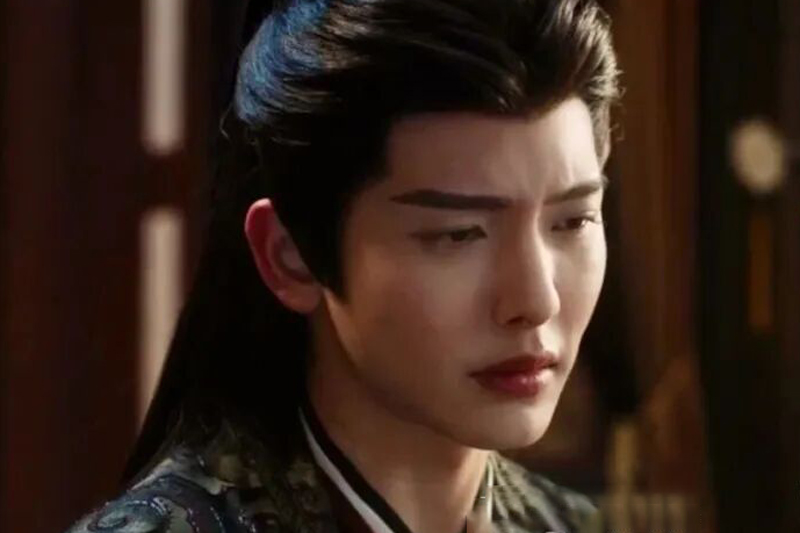
Li Mao’s tragedy is that he genuinely believes he sacrificed for her. He didn’t. He sacrificed for his own fear—fear of being powerless, fear of being forgotten, fear of returning to nothing. The palace didn’t force him to stay; it offered him a ladder, and he grabbed it with both hands. No one put a knife to his throat. He chose the gilded chains, then wrapped them around Xie Jiayu’s wrist and called it protection. That’s not love. That’s ownership with a pretty bow.
She saw it clearly. Not in a flash of lightning, but in the slow, painful dawn of realizing that the boy who once stole peaches for her had become a man who calculated her worth in political currency. They were no longer on the same road—his pointed toward the throne room, hers toward the open sky. And that, dear viewers, is not infidelity. It is clarity.
Why Xiao Wuyi (萧无衣) Was Never the “Other Man”
Enter Xiao Wuyi. He didn’t sweep in as a rebound or a rival. He walked in as a mirror. Where Li Mao saw a pawn, Xiao Wuyi saw a partner. Where Li Mao made decisions for her, Xiao Wuyi made decisions with her. It took time—Xie Jiayu didn’t trust him at first. She had been burned by too many men who smiled while holding the match. But Xiao Wuyi did something Li Mao never could: he let her see his flaws, his fears, his own impossible mission to save the common people, even when the cost was his own blood.
And here’s the kicker—he never asked her to bleed for him. He bled for himself and invited her to stand beside him if she wished. He didn’t dangle promises of a harem spot or a safe corner. He offered a shared burden, and that burden was heavy: rebels, famines, conspiracies that could kill them both. But she didn’t flinch. Because for the first time, someone saw her not as a woman to be sheltered or used, but as a mind to be trusted.
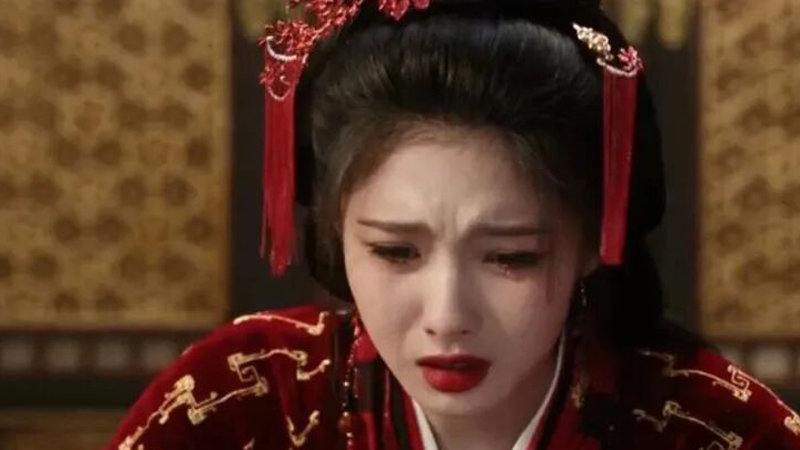
She chose Xiao Wuyi not because he was better or braver or more handsome. She chose him because he never once treated her as a chess piece. Li Mao, even at his most loving, always kept her in his calculations—how she fit, where she belonged, what she could give. Xiao Wuyi, on the other hand, calculated with her. That difference is everything. It’s the difference between a cage and a compass.
In the end, Key to the Phoenix Heart isn’t a love triangle. It’s a wake-up call. Love isn’t about finding the note in time or staying in the same place. It’s about walking in the same direction—not because you have to, but because you genuinely want the same horizon. Xie Jiayu didn’t break Li Mao’s heart; she simply stopped pretending that his heart still beat for the same things as hers. And that, honestly, is the bravest move of all.