
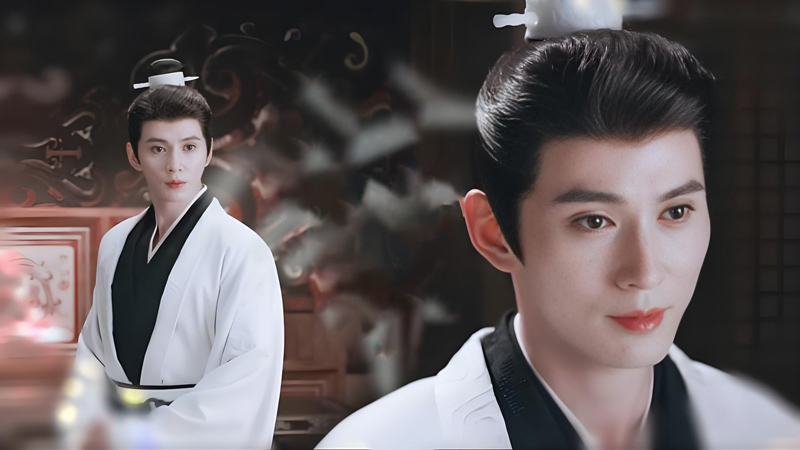
In Blossoms of Power, Why Did She Never Love Him for Three Whole Years?– That question haunts every reader who watches the prince offer his fortune, his pride, and even his knees before the emperor, all for a woman who smiles politely and turns away. The drama places us in the imperial capital, where a marriage of political convenience slowly reveals itself as a one-man crusade of devotion.
Yet the princess remains ice. Not because she is cruel, but because a ghost from her childhood – a mother’s dying whisper – sealed her heart long before the wedding torch was lit. This is not a tale of unrequited love; it is a story of how one generation’s silent grief can poison the next, and how timing, not effort, decides who finally gets through the door.
The Prince Who Gave Everything
Xiao Changqing (萧长卿) was the overseer at the execution ground when the Gu family fell. He took that role not out of loyalty to the throne, but as a bargain – his cooperation in exchange for her life. He thought his love was pragmatic, a calculated trade. But when the swords actually dropped, he broke every rule. He ignored his mother’s frantic warnings, secretly gathered evidence to prove the Gu family’s innocence, and knelt outside the imperial hall for days and nights, begging for mercy. That was not the act of a cold politician.
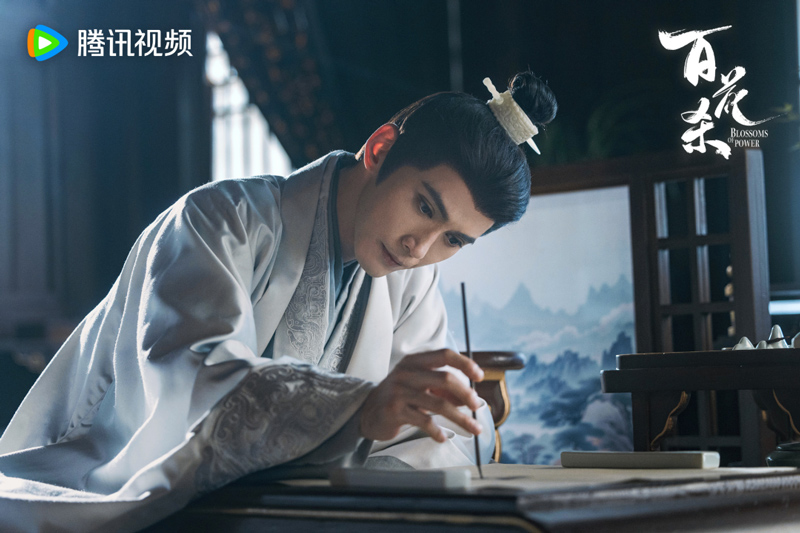
After Gu Qingzhi (顾青栀) died by her own hand, he withdrew from worldly affairs and kept vigil at her spirit tablet for years. Even when she later returned in a different face – a rebirth he could not logically explain – he recognised her instantly. No disguise, no magic could hide her from him. That kind of recognition goes beyond memory; it is a man who has carved her soul into his own. He earned the label of “deeply devoted” a hundred times over.
Yet devotion bought him nothing. Not a single tear, not a flicker of warmth, not even a moment of jealousy when he deliberately favoured other concubines to provoke her. She watched his performances with the same polite detachment she showed at state banquets. He assumed she was simply guarded, that her heart was a fortress built by political instinct. He never suspected the fortress had been built by another man – a man who shared her surname, but was not her husband.
The Unnamed Man in Her Blood
That man was her father, the head of the Gu household. But it was not his actions that shaped her – it was her mother’s reaction to him. Gu Qingzhi grew up watching her mother love a man who gave her every courtesy but never his full heart. He was respectful, faithful in public, never took a competing concubine, and after his wife died, he never remarried. By the standards of powerful clans, he was a model husband. But her mother saw the gap between ritual affection and real passion.
She saw her mother count the hours he spent on clan affairs, the way he discussed politics with her as an equal partner but never held her hand in private silence. She saw her mother smile at banquets and cry into her sleeves at night. The mother wanted one thing – exclusive, consuming love. The father gave duty, stability, and respect. To the daughter, that mismatch was a warning: once you fall for someone, you cannot help but want everything. And wanting everything, when the other person offers only part, turns you into a bitter, jealous woman – or a silent sufferer.
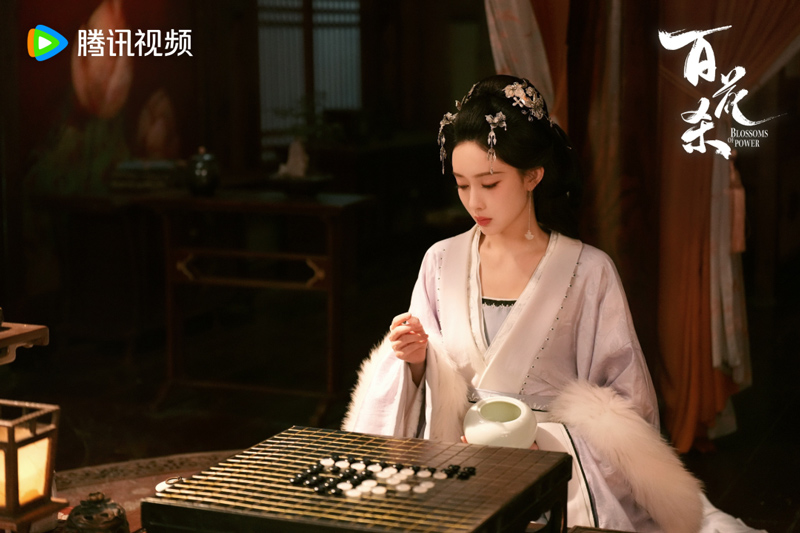
On her mother’s deathbed, the dying woman left a single command: “In this life, you may do anything – but never give your heart to a man.” Gu Qingzhi was nine. She took those words as scripture. She saw that her mother’s love had not made her happy; it had made her hungry. And hunger without fulfilment is a slow torture. So the girl made a decision: she would not eat that fruit at all. She would stay numb, safe, and empty. That was not coldness – it was self-preservation.
The Tragedy of Wrong Timing
For three years of marriage, Xiao Changqing tried every key. Kindness, indifference, jealousy games, public honour, private tenderness – nothing turned the lock. He thought she was protecting herself from the inevitable fall of her family. He believed her restraint was strategic, a way to avoid pain when the political storm hit. But that was backwards. Her restraint was the cause, not the effect. She had already decided that emotional attachment was the root of all suffering, and she refused to plant that root.
He never knew that the real obstacle was not her family’s fate or his own inadequacy – it was her father’s failure to love her mother enough. Had her father been a brute or a cheat, she might have rebelled. But he was good enough to show what love could look like, yet not good enough to give the full version. That grey zone broke her mother, and it taught the daughter that even a “good” man leaves you half-empty. So she chose to expect nothing, ask for nothing, and feel nothing.
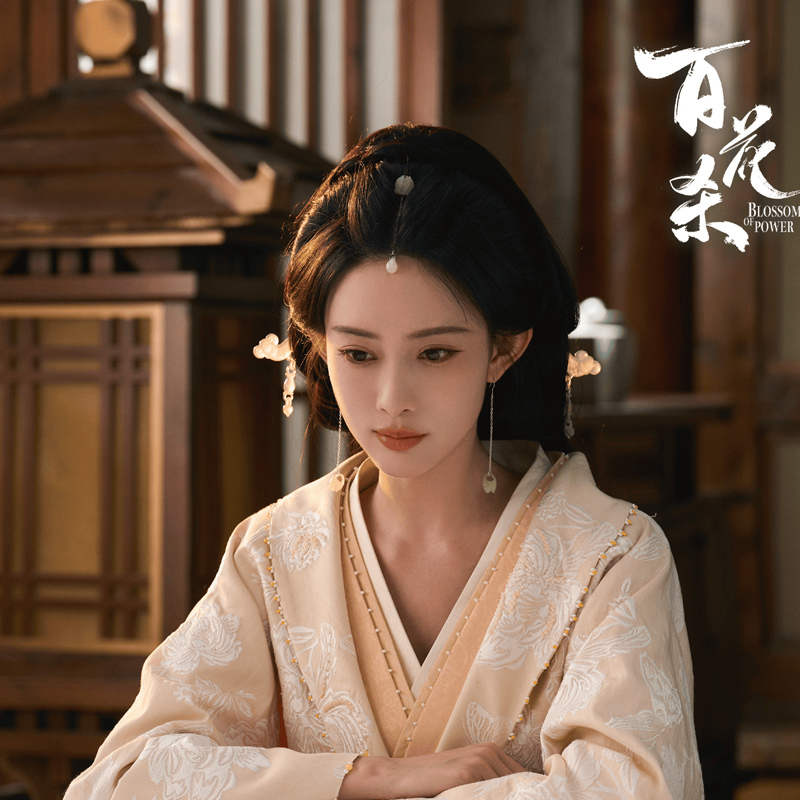
It is bitterly ironic that after her rebirth as Shen Xihe (沈汐和), she finally opened her heart – to another man, Xiao Huayong (萧华雍). That prince did not try harder or love purer. He simply met her at a different hour, when the old ghost had loosened its grip. She had lived, died, and lived again. The mother’s curse had faded with time and experience. So Xiao Changqing was not defeated by a rival; he was defeated by the calendar. He arrived too early, before she had unlearned her childhood lesson. He gave his all, but she was not ready to receive.
Their marriage was not a failure of effort or character. It was a failure of synchronicity. He knelt for her, died for her in spirit, recognised her across lifetimes – but he could not rewind her nine-year-old self. That little girl had already decided that love was a trap, and no amount of adult devotion could convince her otherwise until she had walked through death herself. So the prince’s tragedy is this: he loved the right woman at the wrong time, and no amount of heroism can fix that.
This is extremely well written. I was wondering why no one was properly addressing this. “So Xiao Changqing was not defeated by a rival; he was defeated by the calendar.” “She had lived, died, and lived again.”
Clarified everything I was thinking of.
The scene in ep 18 had me questioning this, he wasn’t a villain, he wasn’t a bad husband. I’m glad he wasn’t vilified like exes in all other dramas, which added a lot of depth, but this writing choice to make him so devoted made it harder to understand the FL. The article though makes so much sense.
Totally agree! Timing really is his only downfall. Such a heartbreaking, well‑written tragedy.