
On July 10-12, 2026, Hangzhou’s historic Fuyicang granary hosted the city’s first “Cool Hanfu” styling contest. Organized as part of the Xiyue Shanfang Ancient Coolness Life Festival, the event turned a 140-year-old Qing Dynasty warehouse into a stage for Song Dynasty-inspired summer dress. It proved that traditional Chinese clothing can be both heritage-rich and practical for hot weather, and it offered a template for how heritage sites can become living venues for contemporary traditional culture.
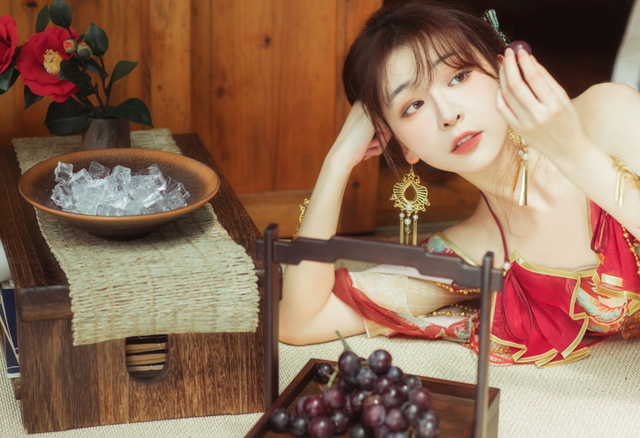
Fuyicang was built in 1880 during the Guangxu reign of the Qing Dynasty. Its name, meaning “wealth through benevolence and righteousness,” reflects the Confucian ideal behind the charity granary. Located on the Beijing-Hangzhou Grand Canal in the Gongshu district, it was one of China’s two great granaries alongside Beijing’s Nanxincang. The site stored grain shipped by canal, served as a distribution center for rice in the Jiangnan region, and later became a symbol of the Grand Canal’s storage culture.
Today Fuyicang is a national key cultural relic and a core heritage point of the Grand Canal World Cultural Heritage. Its original brick-timber warehouses, wooden beams, stone-paved courtyard, and riverside docks provide a physical link to late imperial China’s logistics system. Using such a site for a Hanfu festival is not just atmospheric: it places the clothing inside a space that was itself part of the economic and cultural network of the same era. The buildings, originally built to move grain, now serve as a platform for moving ideas about traditional dress.
Cool Hanfu: rethinking summer traditional dress
The headline of the festival was the first “Cool Hanfu” styling contest. Instead of the heavy, layered looks often associated with Hanfu, the competition asked participants to interpret “summer lightness.” Visitors voted by pinning a flower hairpin on their favorite outfit. The format made the contest feel like a casual garden party rather than a runway competition, and it challenged the stereotype that Hanfu is impractical for hot weather.
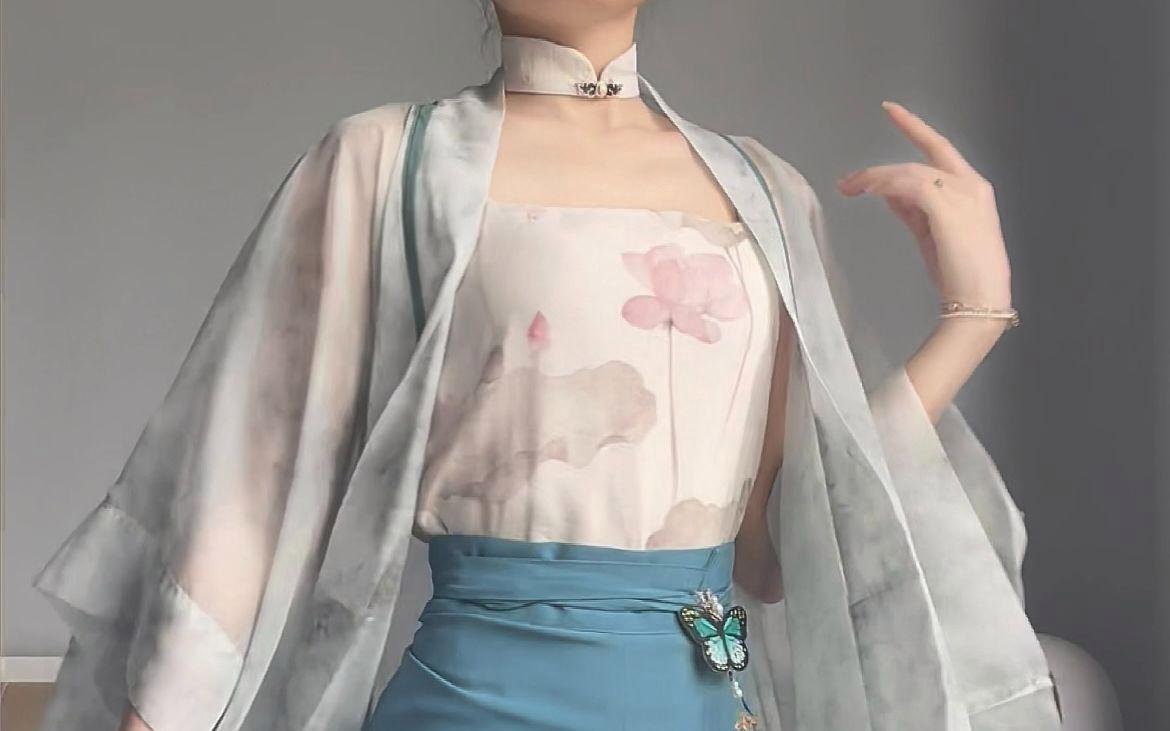
Entries featured lightweight fabrics, shorter sleeves, breathable linen-cotton blends, and open Song-style collars. Some participants used sheer outer robes, loose cross-collared shirts, and light skirts that allowed air to move. The contest showed that Hanfu is not a single costume but a category of dress with seasonal variation. By making comfort a judging criterion, the festival invited designers to look at historical records and adapt them to modern climate needs.

Song Dynasty summer style in historical context
During the Song Dynasty, summer clothing was governed by fabric, color, and cut rather than by the number of layers. Light silk, ramie, and fine linen were preferred for hot months. Collar styles included the straight collar and the folded collar, the latter often left open at the throat to improve ventilation. Women sometimes wore a thin beizi, a long open-fronted jacket, over a light ruqun. Men wore round-collar robes in lighter weaves or crossed-collar shirts with loose trousers.
The festival’s design references these choices. The “light clothing for heat relief” section of the exhibition explains how Song people selected materials and cut garments to match the season. It also shows that historical accuracy does not require discomfort. A Song-style summer look can be historically grounded and physically wearable, which is exactly what the contest demonstrated.
Practical style takeaways for a summer Hanfu look
For visitors who wanted to participate, the festival offered three clear lessons. First, choose natural fibers. Ramie and linen wick moisture and dry quickly, making them better than synthetic fabrics for outdoor summer events. Second, reduce the underlayers. A simple inner shirt and a single outer layer can still read as Hanfu if the cut and collar are correct. Third, use color strategically. The Song palette favored soft blues, whites, pale greens, and undyed earth tones, which reflect sunlight and look cooler in photographs. Accessories such as bamboo fans, floral hairpins, and sachets completed the look without adding weight.
A seven-part immersion in Song Dynasty life
The festival was organized into seven themed zones. The central cultural anchor was the “Monthly Customs” folk pattern exhibition, which remains open until September 15, 2026. It is divided into five sections: seasonal chronicles, lightweight clothing for heat relief, chilled summer foods, festival patterns, and refined leisure pursuits. Together they trace how Song people organized their calendar around nature, food, clothing, and ritual.
The hands-on craft zones let visitors try bamboo weaving, tin carving, boneless flower painting, herbal sachet sewing, and Jiaozi woodblock printing. Each activity was meant to mirror a Song Dynasty pastime. The sachet workshop, for example, drew on the summer custom of filling small cloth bags with aromatic herbs to repel insects and calm the mind. The printing workshop introduced the Jiaozi, an early form of paper currency, showing how economic history could be made tactile.
On the opening day, lecturer Zhong Hongsan gave a guided tour, and a talk titled “New Collar Trims, Small Swallows: The Ideal World of Song Collars” explained how the smallest garment details carried cultural meaning. The collar trim, or lingmo, was not merely decorative; it framed the face, signaled social status, and revealed the wearer’s attention to seasonal dress.

Music, medicine, and market stalls
A guofeng music ensemble and a traditional Chinese medicine doctor from Fanghuichuntang added live atmosphere. The doctor offered free consultations on “treating winter ailments in summer,” a classic principle of seasonal wellness that aligns with the festival’s theme of living in tune with the calendar. A guochao market sold ancient-coin-inspired stationery, embroidery, ink-wash portraits, and oriental fragrances. Visitors could also sample herbal tea, heritage-style pastries, and Song-style whisked tea at a food area designed to recall a Song marketplace.
The Zhejiang TV program “Feng Hua He Huo Ren” also ran a themed pop-up at the event, offering limited drinks and souvenirs. This crossover between television and heritage tourism suggests how traditional culture content is being packaged for younger audiences who discover events through media rather than through museums alone.
Fuyicang as a model for retail
The festival is part of a broader trend in which historic sites in China are repurposed as venues for immersive traditional culture experiences. Rather than preserving buildings as empty monuments, managers are programming them with workshops, markets, performances, and dress codes. For Fuyicang, the strategy works because the granary’s scale and courtyard layout can host multiple activities at once, and its Grand Canal location makes it accessible to both tourists and local residents.
For Hanfu enthusiasts, the event is useful because it provides a reason to wear traditional dress in a setting that understands and supports it. Photo opportunities, craft activities, and like-minded visitors reduce the social friction that can come with wearing Hanfu in ordinary public spaces. The result is a temporary community built around shared interest in traditional aesthetics.
Practical information
The festival ran from 10:00 to 18:00 each day and was free to the public. The venue is at 8 Xiawan Alley, Gongshu District, Hangzhou. It is roughly a ten-minute walk from Xiangjisi Station on Metro Line 3, Exit C. Bus routes 76 and 151 also stop nearby. Organizers noted that outdoor segments would be adjusted according to weather, with all activities concentrated on the first day if conditions were poor.

What this means for Hanfu summer style
The Hangzhou event is a small but useful sign of where Hanfu culture is heading. Rather than treating the dress code as a rigid costume, participants are exploring regional, seasonal variations. The choice of Fuyicang as a venue also signals that heritage sites are becoming hubs for wearable culture, not just museum pieces. For tourists and Hanfu enthusiasts planning a summer itinerary, the combination of historic architecture, live craft workshops, and a styling contest offers a reusable template for heritage-driven travel.
With the exhibition continuing until mid-September, the festival’s real value may be its longer-term effect: it demonstrates that Hanfu can be comfortable, participatory, and deeply rooted in place. That is a message likely to matter as more people look for ways to wear traditional clothing in everyday life.