
Xiangyunsha, known internationally as gambiered Canton gauze, is one of China’s most treasured silk textiles. With a history spanning over five centuries, this fabric is celebrated for its unique dual-sided appearance, natural dyeing process, and labor-intensive craftsmanship. Recognized as a national intangible cultural heritage (ICH) in 2008, awarded geographic indication (GI) protection in 2011, and granted EU GI protection in 2020, xiangyunsha stands at the intersection of cultural heritage and luxury fashion.
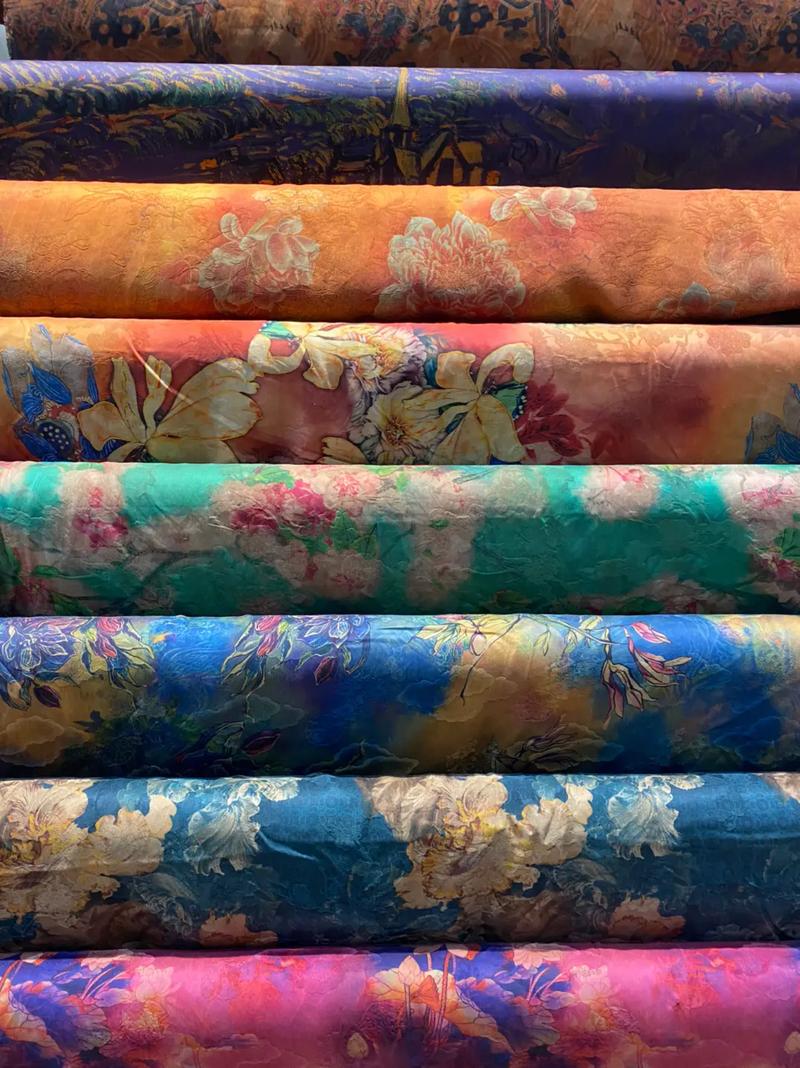
By 2025, the xiangyunsha market in China had surpassed 100 billion yuan in value, driven by the guochao (national trend) movement and rising consumer interest in traditional crafts. However, this explosive growth has come with a serious authenticity crisis. According to testing conducted by a consumer association, only 54.7% of products labeled as “xiangyunsha” were found to be authentic. Some sellers use chemical dyes to mimic gambier juice coloration, while others skip the essential river mud dyeing step entirely — producing counterfeit fabrics that look vaguely similar but lack the genuine material properties and cultural integrity of the real thing.
Enter T/GTES 18-2026, the Evaluation Specification for Traditional Xiangyunsha, published by the Guangdong Textile Engineering Society on March 27, 2026, and effective from April 1, 2026. This group standard introduces a comprehensive, points-based evaluation system designed to separate genuine xiangyunsha from imitations. In this article, we break down everything you need to know about the standard: how it works, what it evaluates, what the star ratings mean, and how it helps consumers, producers, and retailers alike.
What Is Xiangyunsha?
Before diving into the standard itself, it is worth understanding what makes xiangyunsha distinct. The name translates literally to “fragrant cloud gauze,” referring to both its lightweight, cloud-like drape and the faint herbal fragrance imparted by its natural dyeing process.
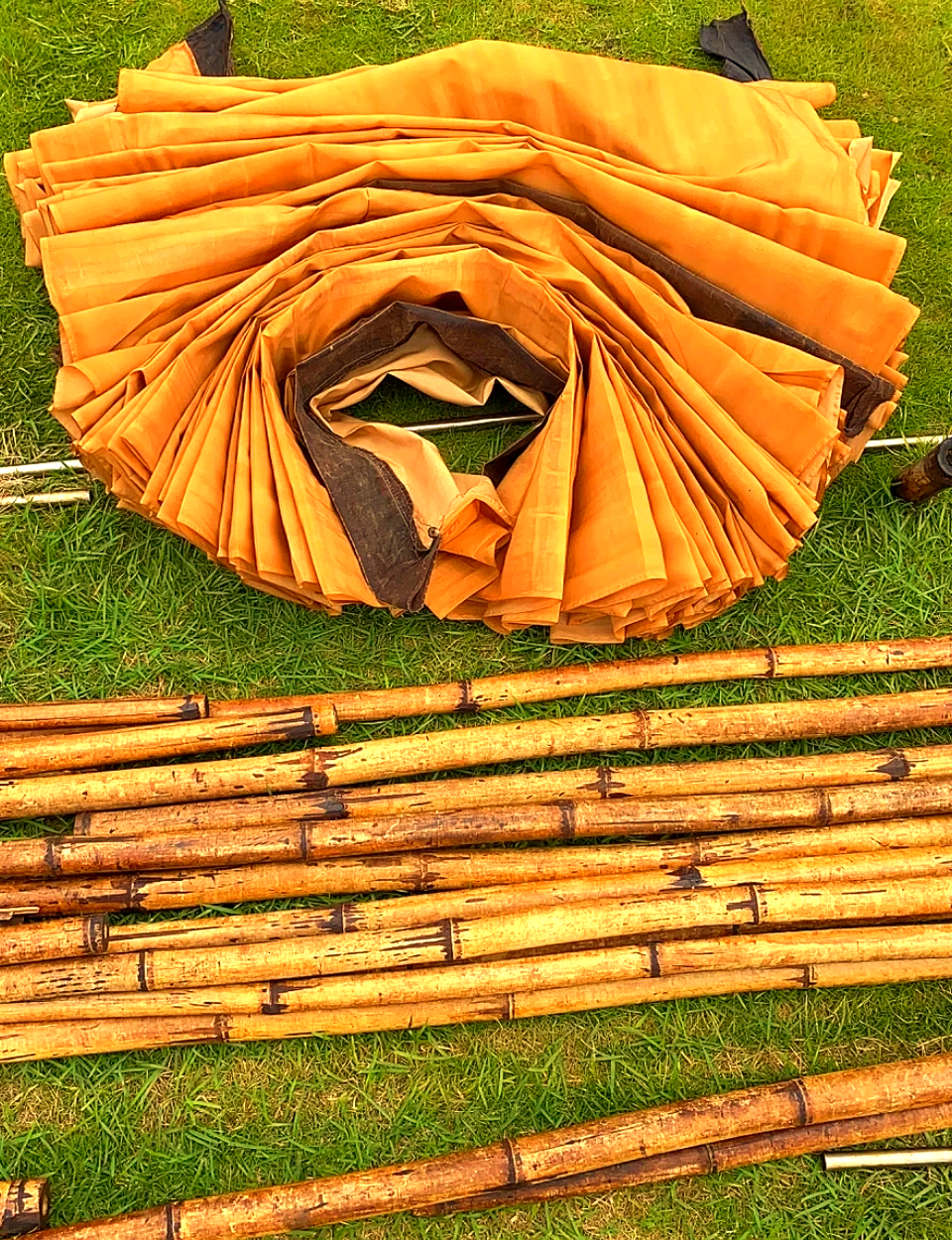
The core craft of xiangyunsha production follows the traditional principle of “three steaming, nine boiling, eighteen sunning” — a poetic encapsulation of the dozens of repeated steps involved. The process begins with high-quality mulberry silk (typically with silk content at or above 90%), which is repeatedly soaked in shuliang juice, a natural dye extracted from the Dioscorea cirrhosa plant, commonly called gambier or dye yam. The fabric is then spread out under the sun across open grasslands, where it absorbs the dye while being exposed to natural UV radiation and air circulation.
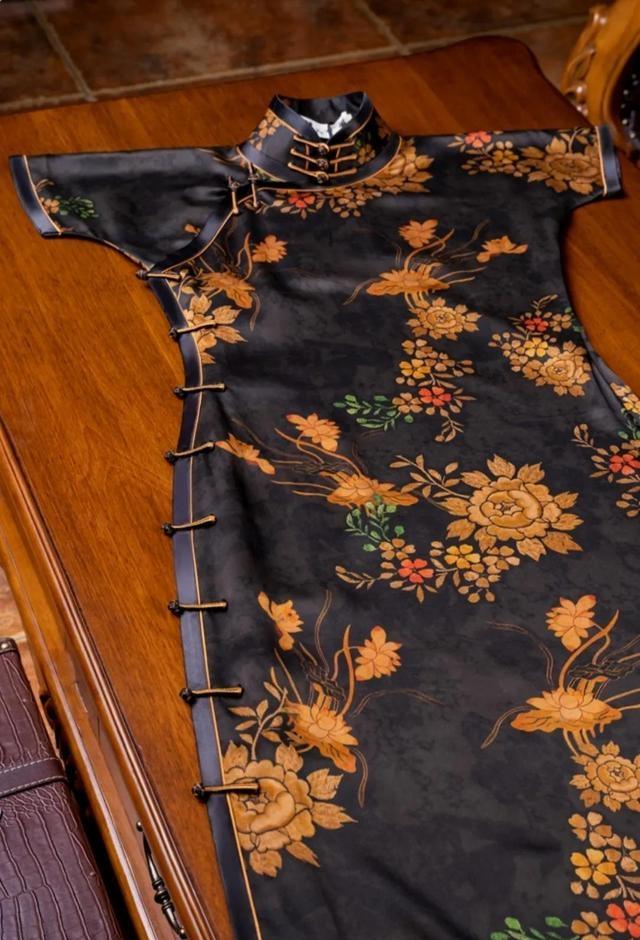
The defining step, however, is the application of iron-rich river mud from the Pearl River Delta region. This mud is applied to one side of the silk, where it reacts with the tannins in the gambier juice to create a deep, matte black or dark brown surface. The other side, untreated with mud, retains the reddish-brown hue of the gambier dye. This creates the characteristic two-tone effect: a glossy, dark front with a subtle grainy texture and a warm reddish-brown back — a visual signature that cannot be faithfully replicated by chemical processes.
The entire production cycle can take weeks and is highly dependent on weather conditions, as sunning can only occur on dry, sunny days. This dependence on natural elements is part of what makes authentic xiangyunsha both expensive and irreplaceable.
T/GTES 18-2026: Structure and Scope of the Standard
T/GTES 18-2026 is a group standard — meaning it was developed and published by an industry association rather than a government body, though it carries significant weight within the textile sector. The issuing organization, the Guangdong Textile Engineering Society, is a respected authority on textile standards in southern China, the historical heartland of xiangyunsha production.
The standard applies broadly to enterprises involved in xiangyunsha production, design, and sales. Its full title, Evaluation Specification for Traditional Xiangyunsha, makes clear that its purpose is evaluative rather than purely definitional. It does not merely describe what xiangyunsha is — it establishes a transparent, auditable framework for determining how authentically and how well a given product or enterprise aligns with traditional xiangyunsha craftsmanship.
The evaluation system is built around a 100-point scoring model divided into five categories. Each category carries a different weight, reflecting the standard’s priorities: traditional craft authenticity and raw material integrity matter most, followed by product quality, with management practices and innovation playing supporting roles.
Breaking Down the 100-Point Evaluation System
1. Basic Requirements — 10 Points
This category serves as the entry gate. Enterprises seeking certification must hold a valid business license and demonstrate compliance with relevant laws and regulations. These are essentially pass/fail prerequisites; without them, the evaluation cannot proceed. The 10 points here reward enterprises that maintain proper legal standing and operational transparency.
2. Overall Requirements — 50 Points
Half the total score rests on this single category, and for good reason. The Overall Requirements section examines two critical dimensions: verification of traditional craft adherence and sourcing of raw materials.
On the craft side, evaluators assess whether the production process genuinely follows the traditional xiangyunsha methodology. This means confirming the use of gambier juice (shuliang juice) — not synthetic or chemical dyes — as the primary dyeing agent, and verifying that the river mud dyeing step is performed using appropriate mud sourced from the Pearl River Delta region. Enterprises that cut corners by using chemical alternatives or skipping the mud application entirely will fail this section.
On the raw materials side, the standard mandates that the base fabric be 100% silk, with mulberry silk content meeting or exceeding 90%. This requirement aligns with the traditional definition of xiangyunsha as a pure silk product. Blends or synthetic substitutes are not recognized under this standard.
3. Product Requirements — 25 Points
While Overall Requirements focus on process, Product Requirements focus on outcomes. This section evaluates the finished fabric against three criteria: silk content verification through laboratory testing, compliance with safety and quality standards (such as color fastness, formaldehyde limits, and other textile safety indicators), and visual and tactile conformity with traditional xiangyunsha characteristics.
Authentic xiangyunsha has several identifiable physical traits: a pronounced color difference between the front (river mud-treated, matte black or dark brown) and back (gambier-treated, warm reddish-brown); a slight grainy texture on the front surface; and the characteristic herbal fragrance of gambier. Products that lack these features will score poorly in this section, even if their raw materials pass inspection.
4. Standardized Management — 10 Points
This category rewards enterprises that implement robust internal systems. Evaluators look for comprehensive production records, material traceability documentation, and quality control processes. The ability to trace a finished product back to its raw material batch, production date, and specific craftspeople involved is a hallmark of a well-managed xiangyunsha enterprise — and increasingly, a baseline expectation for certification.
5. Continuous Improvement — 5 Points
The final category, though small in weight, signals the standard’s forward-looking orientation. Enterprises earn points here by demonstrating commitment to innovation and sustainability. This might include developing eco-friendly production methods, reducing water or energy consumption, or exploring new design applications for xiangyunsha that respect its traditional foundation while expanding its contemporary relevance.
Star Ratings: What Three, Four, and Five Stars Mean
The T/GTES 18-2026 standard translates the 100-point score into a three-tier star rating system, making it immediately legible to consumers, retailers, and industry partners:
- ★★★ Three Stars (60+ points): The “Qualified” tier. An enterprise or product meeting this threshold has demonstrated fundamental compliance with the standard’s requirements. It uses authentic materials and traditional processes, though there may be room for improvement in management systems or product refinement.
- ★★★★ Four Stars (70-80 points): The “Excellent” tier. Enterprises at this level not only meet all core requirements but also show strong performance across management and product quality categories. Consumers can purchase with high confidence.
- ★★★★★ Five Stars (80+ points): The “Benchmark Quality” tier. Reserved for the very best, this rating indicates an enterprise that excels across all five evaluation categories, including continuous improvement. Five-star enterprises are positioned as industry leaders and standard-bearers for xiangyunsha craftsmanship.
The rating system creates a clear incentive structure: enterprises are motivated to pursue higher scores not just for bragging rights, but because star ratings translate directly into market differentiation. In a market where over 45% of “xiangyunsha” products may be inauthentic, a visible star rating backed by third-party evaluation becomes a powerful trust signal.
The Evaluation Process: From Application to Certification
T/GTES 18-2026 outlines a structured evaluation pathway that an enterprise must follow to earn certification:
- Application: The enterprise submits a formal application to the evaluating body, including documentation of business registration, production processes, and raw material sourcing.
- Document Review: Evaluators examine the submitted materials to confirm that basic prerequisites are met and that the enterprise’s claims are internally consistent.
- On-Site Verification: Auditors visit the production facility to observe the manufacturing process firsthand, verify that traditional methods are being used, and inspect working conditions and equipment.
- Sample Testing: Finished product samples are sent to a qualified third-party laboratory for testing. Key tests include silk content analysis, color fastness assessment, and safety compliance checks.
- Comprehensive Review: All evidence — documents, on-site observations, and lab results — is compiled and evaluated against the 100-point scoring framework to determine the final score and star rating.
- Certificate Issuance: Enterprises that meet the minimum 60-point threshold receive a certificate valid for three years, along with the right to display their star rating in marketing and packaging.
- Annual Supervision: Certification is not permanent. Enterprises undergo annual supervisory audits to ensure continued compliance. Significant deviations from the standard can result in rating downgrades or certificate revocation.
This multi-step process, with its combination of documentary review, physical inspection, and laboratory testing, makes the T/GTES 18-2026 certification considerably more rigorous than a simple self-declaration. It is designed to be difficult to fake and meaningful to hold.
How Consumers Can Identify Authentic Xiangyunsha
For consumers navigating the xiangyunsha market, T/GTES 18-2026 provides a practical framework for authentication. Here are the key checks recommended by the standard and industry experts:
Check for the T/GTES 18-2026 star rating certificate. A legitimate enterprise certified under this standard should be able to produce a valid certificate indicating its star rating. Verify the issuing body (Guangdong Textile Engineering Society) and the validity period (three years from issue date).
Request third-party test reports. Authentic xiangyunsha should have documented lab results confirming 100% silk content with mulberry silk at or above 90%. If a seller cannot produce such a report, treat the product with skepticism.
Look for raw material traceability. Under the standard’s management requirements, certified enterprises maintain traceability records. Ask where the silk was sourced, when the fabric was produced, and whether the gambier juice and river mud were sourced from traditional supply regions.
Perform a visual and tactile inspection. Authentic xiangyunsha has unmistakable physical characteristics: the front and back should show a clear color difference, with the front displaying the matte, near-black finish of river mud treatment and the back showing the warm reddish-brown of gambier dye. The front surface should have a slight grainy texture. The fabric should carry a subtle herbal scent. If both sides look similar, or if the color appears unnaturally uniform, the product may be chemically dyed.
Be wary of prices that seem too good to be true. The labor-intensive, weather-dependent production process means authentic xiangyunsha is inherently expensive. Extremely low prices are a strong indicator of counterfeit production using chemical dyes and simplified processes.

Implications for the Xiangyunsha Industry
The publication of T/GTES 18-2026 represents a significant step forward for the xiangyunsha industry. By establishing a transparent, auditable evaluation framework, the standard addresses the authenticity crisis head-on. Several key implications stand out:
Market purification. With only 54.7% of labeled xiangyunsha products testing as authentic, the standard gives consumers and retailers a reliable mechanism for distinguishing genuine products from counterfeits. Over time, this should shrink the market share of inauthentic producers and reward enterprises that invest in traditional craftsmanship.
Premium positioning. The star rating system enables quality differentiation within the authentic xiangyunsha segment itself. A five-star enterprise can command higher prices and attract more discerning customers, creating a virtuous cycle where quality investment is commercially rewarded.
International credibility. Xiangyunsha already holds EU GI protection, and a rigorous domestic evaluation standard strengthens its position in international markets. Overseas buyers, particularly in the luxury fashion sector, can reference T/GTES 18-2026 certification as a credible assurance of authenticity and quality.
Heritage preservation. By codifying the traditional craft requirements — gambier juice dyeing, river mud treatment, pure silk base — the standard helps preserve the intangible cultural heritage embedded in xiangyunsha production. It creates a formal benchmark that future generations of craftspeople can reference and uphold.
A New Chapter for Gambiered Canton Gauze
T/GTES 18-2026 arrives at a pivotal moment for xiangyunsha. The fabric’s cultural prestige and market value have never been higher, yet its authenticity has never been more contested. By establishing a clear, enforceable standard — 100 points, five categories, three star tiers, and a rigorous evaluation process — the Guangdong Textile Engineering Society has given the industry a powerful tool for self-regulation and quality assurance.
For consumers, the standard offers a practical roadmap for identifying authentic xiangyunsha and avoiding the nearly 50% of products that may be counterfeit. For producers, it provides a structured pathway to demonstrate quality and earn market recognition. And for the broader ecosystem of designers, retailers, and cultural heritage advocates, it creates a shared language for discussing and evaluating what makes xiangyunsha genuinely special.
As the standard takes effect and the first wave of certified enterprises emerges, the xiangyunsha market is poised for a meaningful shift — one where authenticity is not just claimed, but verified, rated, and celebrated.