
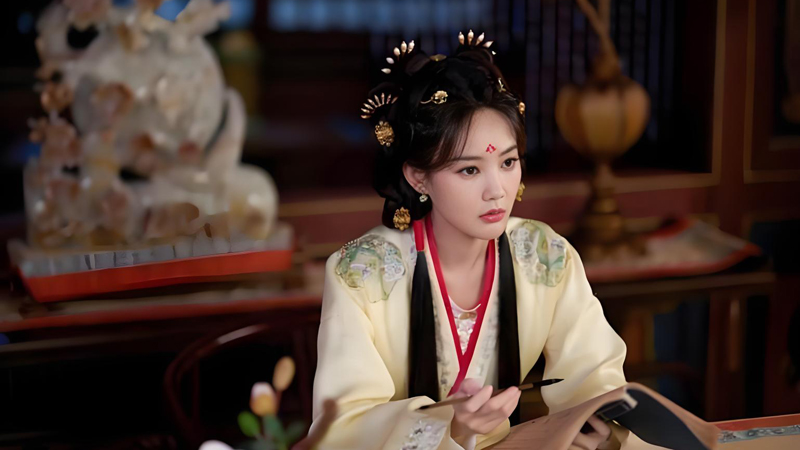
In the sprawling historical drama The Legend of Rosy Clouds (云秀行), the most compelling arc is not about the protagonist Fan Yun (范云) reaching the pinnacle of political power, but about the quiet, unyielding posture she maintains when she has absolutely nothing. She represents the ultimate fantasy for the modern woman: not the fantasy of being rescued, but the fantasy of self-rescue. Stripped of her family’s name, wealth, and social standing, she is thrust into a world that remembers her only to mock her. Yet, she refuses to play the victim. This is not a story of a fallen flower waiting to be picked up; it is a story of a seed, buried deep in the mud, forcing its way towards the sun through sheer grit and grace.
The Inner Light in Tattered Clothes
Fan Yun’s descent is severe. She goes from a life of silk and servants to a solitary existence where the cost of firewood and rice dictates her daily survival. She trades her embroidered shoes for cloth wrappings, and her classroom is a drafty, makeshift building. But this is where the magic happens. She does not wallow in self-pity or lament her lost fortune; instead, she stands in that shabby room, her clothes washed thin from overuse, and teaches. Her voice never loses its clarity, and her eyes still hold the conviction of a scholar who believes in the power of the written word. She teaches village children, and it is through their eager faces that she finds her own salvation and a new sense of purpose. This is her claim to dignity.
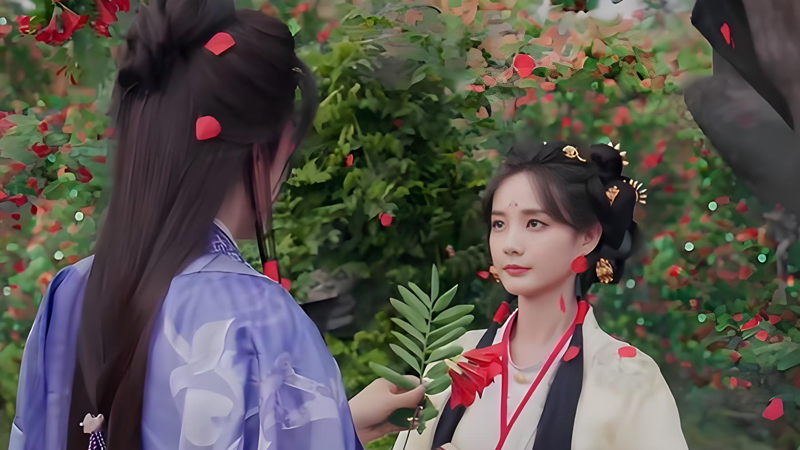
When the aristocrats who once fawned over her family now pass by with sneers, calling her a “phoenix that looks more pathetic than a chicken,” she does not break. She faces them with a calm smile, as if to remind them that titles are fleeting, but a person’s worth is etched in their character. She accepts her poverty, but she refuses to accept their definition of her. It is this internal fortress that becomes her most powerful weapon. Her students learn not just from the curriculum but from the living example of a woman who refuses to bow to circumstance. She earns a pittance, but it is the taste of honest bread, and it is enough to fuel her ambition for a better life.
The Unshakable Poise in the Court
Her resilience in the humble classroom acts as the foundation for her career in the royal court. Once she passes the rigorous examinations and earns the unprecedented title of the first female official of the Colored Cloud Kingdom, she faces a new kind of contempt. The court is a den of old money and old prejudices, populated by men who view her as an anomaly or a threat. They probe for weakness, expecting the “poor girl” to crumble under the pressure of their political games. However, it is her experience in that impoverished village that has steeled her spirit.
They use her gender as a weapon, questioning her intelligence and her right to stand among them. But Fan Yun relies on the quiet confidence she cultivated while scrubbing her own floors. She doesn’t argue about her worth; she demonstrates it. Her proposals are thorough, her logic is irrefutable, and her work ethic is relentless. Over time, the same men who mocked her are forced to admire her competence. She wins the debate not with loud proclamations, but with results. She embodies the principle that true power is not about where you come from, but where you are going and how you carry yourself on the journey.
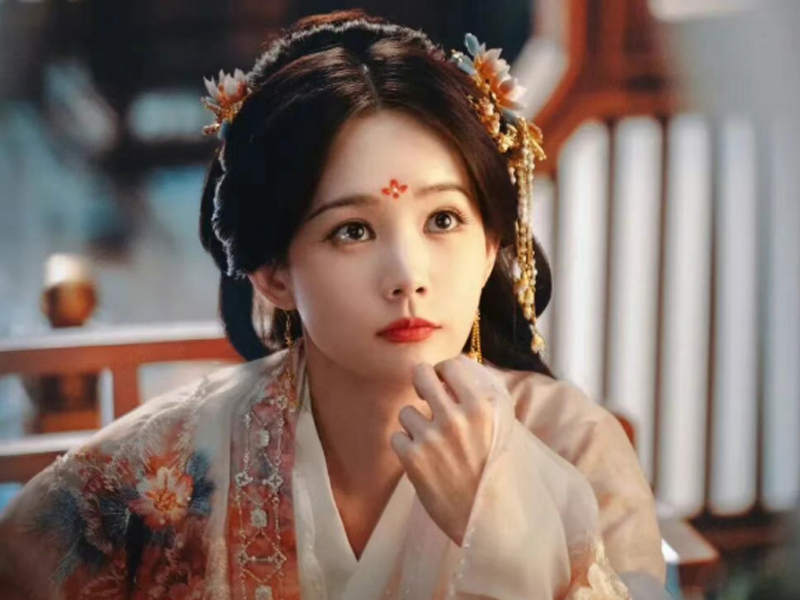
The Ultimate Nobility
Fan Yun’s journey is a profound rebuttal to the idea that nobility is a birthright. She teaches us that the best form of wealth is an unbreakable spirit. She handles a challenging hand—poverty, gender bias, and social isolation—by playing it with patience and skill. She neither grovels for pity nor demands respect. She simply earns it. This is why her story resonates so deeply with modern audiences, especially women who are often forced to navigate the glass ceilings of their own societies.
She does not just break the glass ceiling; she shatters the very concept of what a “lady” should be. She shows that class is not in the fabric of your clothes but in the fabric of your character. By refusing to be a victim of her circumstances, she becomes the author of her own destiny. Fan Yun ultimately makes a contribution not just to her nation, but to the ongoing narrative of female empowerment, proving that the most beautiful outcome often arises not from a life of ease, but from the courage to face hardship with integrity.
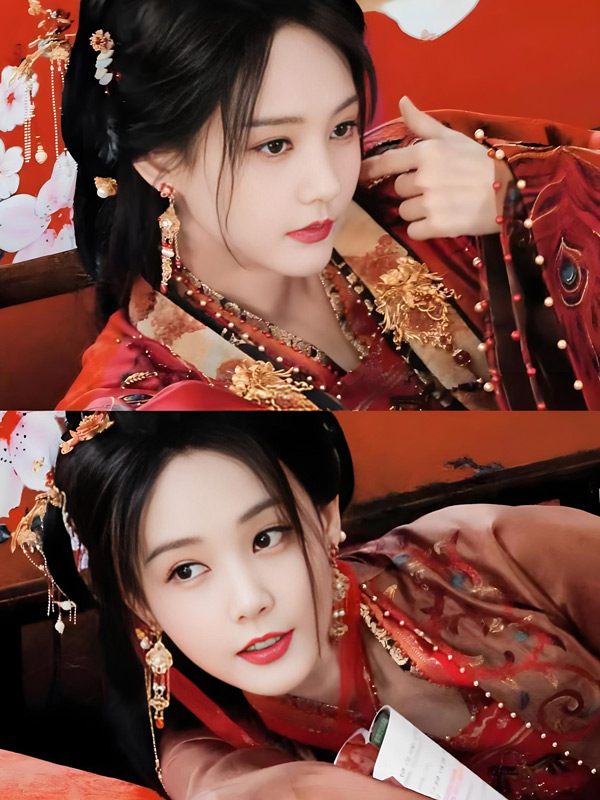
Ultimately, The Legend of Rosy Clouds leaves us with a powerful legacy. It is the story of a woman who, from the ashes of her former life, builds a new and magnificent empire—not of lands or wealth, but of self-respect. Her journey is a testament to the idea that the grandest titles are not given, but achieved through the quiet, daily act of standing tall, even when the world tries its best to push you down. It proves that the most priceless jewels are not diamonds or gold, but the values one holds dear.