
China’s guochao (国潮) — the national-tide fashion movement — is no longer a niche subculture. National Bureau of Statistics data for Q1 2026 shows online apparel retail sales grew 11.6% year-on-year, with hanfu and New Chinese Style (新中式) clothing emerging as the primary engine. Women’s hanfu transaction volume alone surged 455%, a figure that signals a structural shift in how Chinese consumers — especially Gen Z and post-90s buyers — approach fashion.
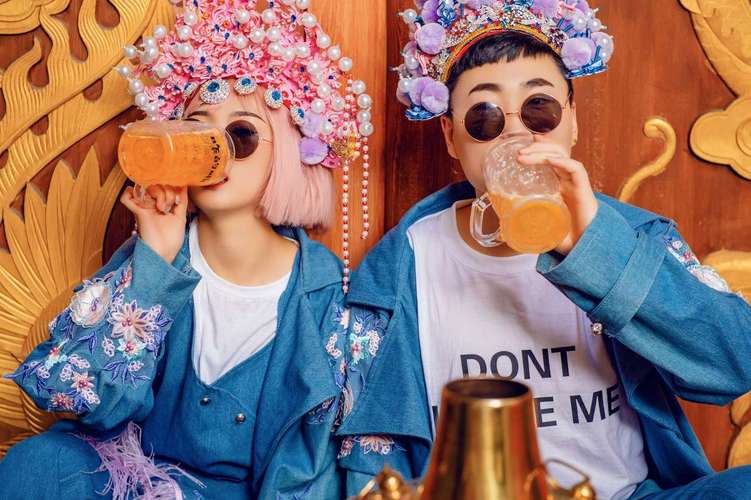
The numbers reflect a deeper change: cultural confidence translated into purchasing behavior. Young consumers are moving away from what industry analysts call “foreign-brand worship” toward “guochao identification.” They want garments that carry cultural meaning — not surface-level dragon prints, but authentic integration of intangible heritage techniques: Song brocade (宋锦), Yunjin (云锦) cloud brocade, Suzhou embroidery (苏绣), and kesi (缂丝) silk tapestry, reinterpreted through contemporary design languages that work for commuting, social gatherings, and daily wear.
The supply side is racing to keep up. At the design stage, brands and universities are establishing joint R&D centers with intangible heritage inheritors, using 3D modeling to reconstruct historical garment forms and translate traditional motifs into modern silhouettes. Production has shifted as well: flexible manufacturing lines, digital twin technology, and intelligent cutting systems are raising both output and quality. Fabric innovation is particularly notable — washable silk, recycled eco-friendly textiles, and blended materials that retain the drape and texture of traditional fabrics while solving the wrinkling and care problems that once limited hanfu to special occasions.
Regionally, the industry has formed a differentiated map. Guangdong Province anchors the supply chain with 355 hanfu-related enterprises — 75 concentrated in Guangzhou alone, home to leading brands like Minghuatang (明华堂) and Hanshang Hualian (汉尚华莲). Fujian drives calendar momentum through recurring events like the Cross-Strait Hanfu Culture Festival. Jiangsu leverages its ancient town heritage for experiential tourism — hanfu styling and travel photography as core businesses. Hebei clusters around scenic ancient towns like Longquan and Zhengding for “hanfu plus tourism” operations. Hunan uses the Mawangdui Han tomb cultural IP to launch museum co-creation programs and huafu ceremonies.
The 455% growth figure is eye-catching, but industry observers caution that the real story is not a single quarter’s spike — it is the infrastructure being built underneath it. From digital pattern libraries to automated cutting lines to cross-province tourism-hanfu packages, the guochao economy is transitioning from a cultural trend into an industrial ecosystem. As one provincial commerce official put it: the goal is to move from “quantity growth” to “quality leap,” with Chinese aesthetics leading rather than following global fashion cycles.