

After eight years of loyal fandom, Stellar Transformations (星辰变) finally aired its final season on May 7, 2026. With 2.4 million pre-registrations and a legacy that began with a Douban score of 8.4, fans expected a glorious farewell. Instead, they got a heartbreaking betrayal. The show that once defined hardcore Anime animation—known for its brutal fight scenes and a hero forged in blood—suddenly gave its lead character a soft, feminine makeover.
The outcry was instant and deafening. How did a masterpiece of the 3D Anime scene go from genre-defining to universally mocked? This article dives into the controversy, the lost identity of Qin Yu, and what it means for the future of Chinese animation.
The Glory Years
Back in 2018, the 3D animation landscape in China was still finding its feet. Then came Stellar Transformations. Without flashy marketing or copycat trends, it won audiences over with raw quality. The fight choreography felt physical and weighty. The plot stayed loyal to the novel. And the male lead, Qin Yu (秦羽), was a breath of fresh air—decisive, ruthless when needed, and utterly relentless. He wasn’t a pretty boy; he was a survivor. That authenticity pushed the show to a Douban score of 8.4, over 600 million views, and a permanent place in fans’ hearts as the gold standard for hardcore Anime.
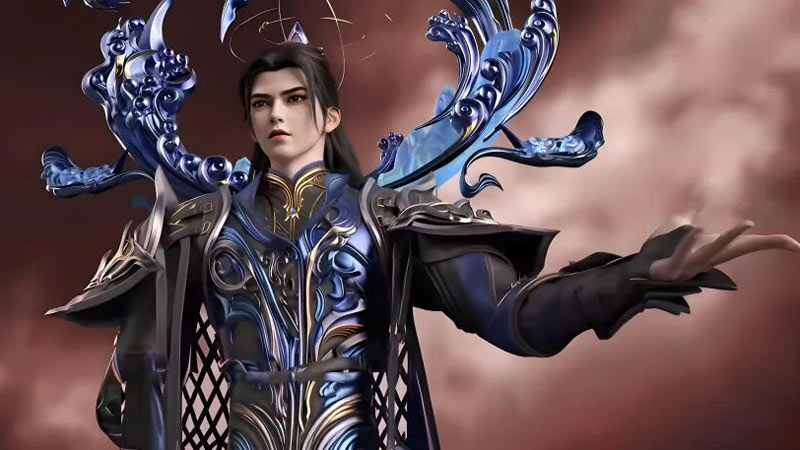
For eight years, the series tracked Qin Yu’s brutal climb from a mortal boy to a god across the realms of immortals, demons, beasts, and deities. Every season reinforced his core identity: a man shaped by endless suffering, with a jaw like a blade and eyes that had seen too much. His armor was practical, his presence imposing. That consistency built trust. Fans knew what they were getting—a hero who earned every victory through sweat and scars, not charm or luck.
When the final season was announced, anticipation hit a series record of 2.4 million reservations. People weren’t just excited for the conclusion; they wanted to see the Qin Yu they’d grown up with finally ascend as the master of the Hongmeng (鸿蒙) universe. The marketing promised “the highest level of character detail and combat fluidity ever.” For a moment, it felt like a perfect send-off was guaranteed.
The Model That Broke Faith
Then the first episode dropped on Tencent Video. Within hours, the comment sections turned into a warzone. The cause? Qin Yu’s new character model. The iron-blooded god-king had been replaced by a pale, soft-featured figure in a flowing white gauze robe. His shoulders were bare, his light-blue hair hung limp, and his face had lost every sharp edge. Where was the commanding presence? The unyielding glare? Instead, he looked like a gentle boy from a fluffy Xianxia romance—a complete 180 from the character built over seven seasons.
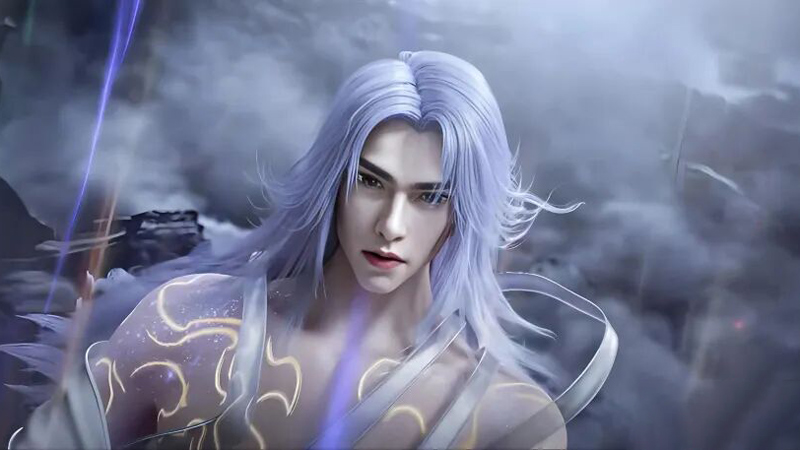
Fans didn’t mince words. “We waited eight years, not to see Qin Yu turn into a delicate flower,” one top comment read. Another asked: “Is this the same man who crawled through hell to reach the divine realm?” The contrast with earlier seasons was painful. Previous Qin Yu wore fitted armor, had a chiseled face, and moved like a predator. That design honored the novel’s description of a man who rose from the bottom by killing and clawing his way up. The new look erased all that history in one misguided stroke.
The showrunners had promised an upgraded finale. Instead, they delivered a aesthetic that prioritizes a certain kind of “beauty” over character truth. The white, translucent robe with exposed shoulders and the softened jawline didn’t just look out of place—it actively undermined the narrative. How can viewers believe in a supreme being who commands cosmic forces when he looks like he’d lose a fistfight to a stiff breeze? This wasn’t evolution; it was amnesia about what made the show great.
A Warning for Anime’s Future
The tragedy of Stellar Transformations goes beyond one bad design. It reflects a growing sickness in the Anime industry. As the market explodes, many productions chase “universal appeal” by watering down strong character identities. They swap grit for gloss, believing that softer, more androgynous looks will attract a wider audience. But in doing so, they alienate the very fans who built the franchise. The final season’s fight scenes are reportedly still solid, and the plot reaches its epic climax. Yet none of that matters when the hero’s face makes you cringe.
This isn’t about rejecting aesthetic innovation. Change can be good. But change that disrespects eight years of established identity is just sabotage. Qin Yu wasn’t a blank slate; he was a specific, beloved figure. His hard-earned scars, his angular features, his commanding aura—these weren’t decorations. They were the visual language of his journey. To erase them for a final season is to tell the audience that their emotional investment means less than chasing a trend.
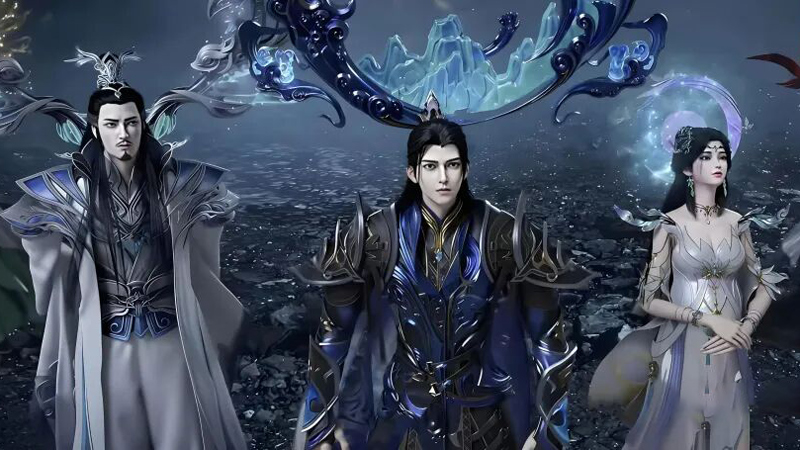
As of now, the production team has not responded to the backlash. But the message from fans is clear: we want progress, but not at the cost of a character’s soul. Stellar Transformations was once a beacon of what Anime could achieve through respect for source material and audience intelligence. Its final-season failure should serve as a lesson. Don’t trade legacy for likes. Don’t betray the heroes that fans bled for. And if you’re going to redesign a legend, at least remember why he became one in the first place.