

How Did a 3.5-Scored AI Cartoon Keep Updating on Bilibili? In late 2024, a short animation called Crossing the Beast World: Divine Beast Servants Help Me Become Queen (穿越兽世,神兽男仆助我成后) dropped on the Chinese platform Bilibili. It ran for 61 episodes, each barely two minutes long. The total view count hit 1.12 million. But here is the shocker: its rating sat at a miserable 3.5 out of 10. Viewers flooded the comment section with complaints about sloppy visuals and broken storytelling. Yet the platform kept uploading new episodes without pause. How does a show that everyone trashes survive and even thrive? The answer lies in a clever trap of guilty-pleasure plotting, rock-bottom production costs, and the strange magic of bad publicity.
The Plot Trap
A modern woman falls into the Beast World, a brutal land where beast clans rule and humans are weak. Wolves, foxes, snakes, and mythical creatures like the Azure Dragon walk in human form. She has no power, no allies, and death waits behind every tree. But then a system activates. It is called the Divine Beast Contract System. With it, she can tame ancient monsters that even the strongest clans fear.
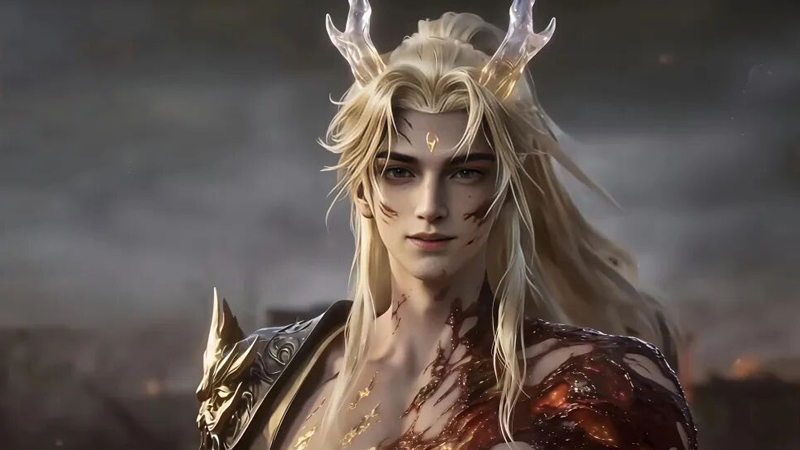
One by one, the top predators bow to her. The cold and aloof Azure Dragon prince becomes her servant. The wild White Tiger lord follows her orders. A sly nine-tailed fox uses his wit to solve her problems. A loyal Kirin warrior protects her day and night. Each male beast is gorgeous, powerful, and completely devoted. They fight her enemies, warm her bed, and build her empire. Within 61 episodes, she goes from an outcast to the queen of the entire Beast World.

The show packs every hit trope from female-targeted web novels: time travel, a game-like system, multiple handsome love interests, and a zero-to-hero rise. Every episode delivers a small conflict. Every few episodes flip the situation with a big twist. The pacing is breakneck. In one episode, she runs for her life. In the next, she slaughters her pursuers. Romance has no buildup—he sees her, he kneels, he swears eternal loyalty. It is trashy, illogical, and strangely addictive for viewers who just want mindless fun.
Technical Disaster
The animation is fully generated by AI. No hand-drawn frames. No smooth motion sequences. The characters suffer from classic AI flaws: blurry faces, mismatched eyes, stiff expressions, and twisted limbs. In many shots, a character’s nose drifts to one side while the mouth hangs wrong. When a beast switches to human form, the art style changes completely. Backgrounds—forests, caves, tribal huts—repeat every few episodes. There is almost no original design work.
Action scenes are the worst. The AI produces static images and then slides them across the screen. Punches loop the same three frames. Characters glide like they are on ice. Viewers gave it nicknames like “PPT animation” and “moving picture album.” The runtime makes everything worse. Each episode runs about two minutes. Subtract the opening title, ending credits, and reused filler shots, and the actual new content barely lasts ninety seconds. The voice acting is also synthetic—flat, robotic, and completely emotionless.

Yet the show keeps coming. Episode 61 dropped with no sign of stopping. The production team behaves like a machine: low quality, high volume, zero shame. They do not fix the bugs or improve the rendering. They just let the AI spit out more footage and push upload. From a craftsmanship angle, this is a disaster. But from a business angle, it makes perfect sense.
Controversy Cash
The secret is simple: cost is near zero, and hate is free promotion. Making 61 episodes with traditional animation would take a large team months or years. With AI, one person with a decent computer can generate multiple episodes per day. There are no voice actors to pay, no storyboard artists, no cleanup crews. Even if each episode gets only moderate views—say, tens of thousands—the ad revenue and platform incentives add up. At that scale, the show turns a profit easily.
But the real engine is the 3.5 score. That low rating acts like a dare. Viewers click out of curiosity: How bad can it actually be? They watch one episode, laugh at the ugly faces and jerky movements, and then click another. Some stay for the trashy plot. Others stay to mock it in the comments. Either way, the play count climbs. The comment section becomes a battlefield of haters and guilty-pleasure defenders. Each argument pushes the show back into algorithm recommendations. Bad buzz is still buzz.
So will the updates stop? Not a chance. As long as people watch, the AI will keep generating. The team behind it knows that “black red” —being famous for bad reasons—is still fame. For every viewer who complains about the low quality, ten more click out of curiosity. The math works. And in today’s attention economy, a 3.5 score is just another number. The real winner is whoever collects the views.