Beijing’s gaming landscape just received a monumental power-up. The announcement of 11 sweeping measures to boost game and esports development isn’t just local news – it’s a strategic salvo reshaping global competition. By streamlining approvals, funding innovation labs, and explicitly backing AI and AIGC integration, China’s capital is positioning itself as the next-gen gaming nexus. This isn’t merely policy; it’s rocket fuel for domestic giants eyeing global domination. Tencent and NetEase? Watch your six. New players now have state-sanctioned runways.
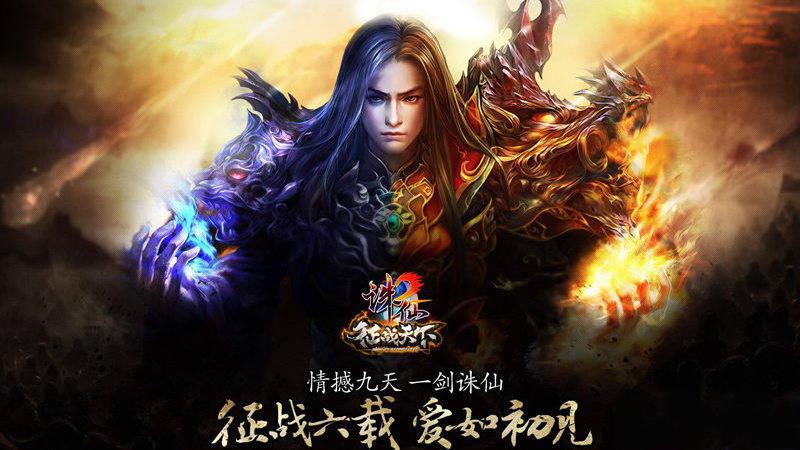
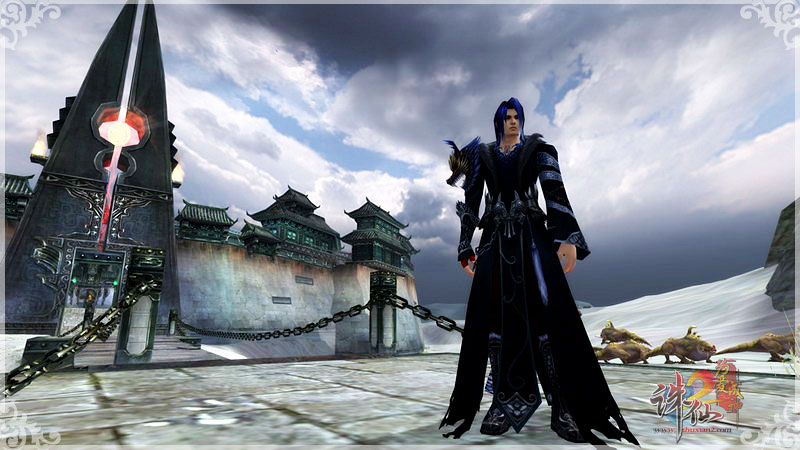
Simultaneously, Perfect World answered fan fervor with Jade Dynasty 2’s (诛仙2) August 7th mobile debut. More than nostalgia, this Unreal Engine 4-powered revival showcases China’s technical ambition – touting “full-device ray tracing” and console-grade visuals. It’s a declaration: Chinese studios won’t just compete on volume but visual firepower. Early trailers promise cinematic cutscenes rivaling Genshin Impact(原神), while reimagined Bai Yiqing storylines suggest deep, meta-narrative risks. Perfect World isn’t playing safe; they’re betting Jade Dynasty can become China’s Elder Scrolls (上古卷轴).
While hardcore RPGs push boundaries, LeElement took a sharp left turn. Their new tactical-RPG Back to the Blue Sky (溯回青空) flips the hero script entirely – casting players as the antagonists. This “villain protagonist” angle, layered with base-building and idle elements, targets the underserved “morally grey” anime crowd. LeElement’s pedigree with Ensemble Stars (大金刚:蕉力全开)! suggests they understand nuanced appeal. By blending roguelite progression with unsettling character designs (think Disgaea meets Attack on Titan), this could become 2025’s dark horse breakout. Pre-registration spikes already hint at pent-up demand for morally complex gacha.
How Nintendo’s Bombshell Fuels the Fire
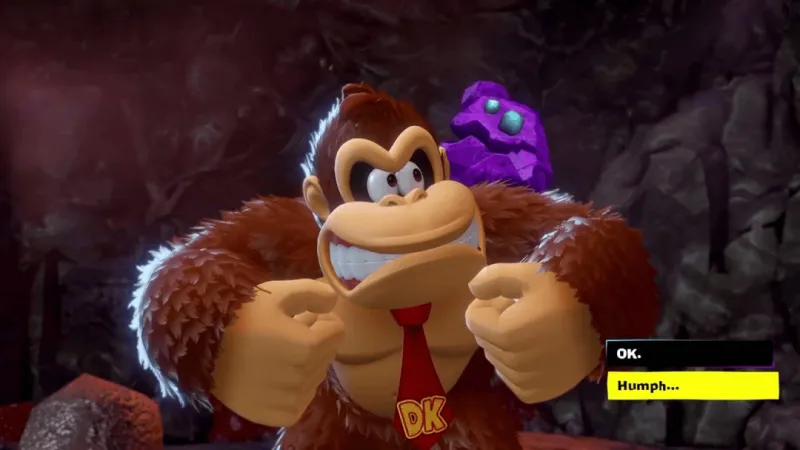
Nintendo countered the mobile surge with exclusive artillery: Ensemble Stars arrives July 17th as a Switch 2 launch exclusive. Revealed gameplay confirms ambitious 3D-platforming scope. But the masterstroke? Two Switch 2s, one game. Their “GameShare” tech enables seamless local co-op using just one cartridge, obliterating the physical/digital divide. At $45-$50 USD, it undercuts rival platformers while maximizing social hooks. This isn’t just a game; it’s a Trojan Horse accelerating Switch 2 adoption.
China’s policies collide brilliantly with these global moves. Beijing’s focus on AIGC aligns with Jade Dynasty 2’s procedural world-building, while their esports infrastructure push could birth Asia’s next EVO rival. Yet Nintendo’s hardware-centric strategy highlights a schism: China bets on mobile/cloud-first, while Japanese titans leverage proprietary systems. Ensemble Stars GameShare exemplifies platform innovation mobile can’t replicate – for now. One truth emerges: fragmentation accelerates. Players win with richer choices; devs face steeper platform-allegiance decisions.
Beijing lit the fuse, but the explosions span continents. As China’s studios harness policy tailwinds for AAA-grade mobile titles, console giants retaliate with ecosystem lock-ins. The battleground? Your screen time. With generative AI reducing development costs and regional policies incentivizing hyper-localized content, expect fragmentation – but unprecedented creativity. Buckle up. The next “game over” screen might just be for stagnant business models.
How Switch 2’s Gambit and China’s Playbook Reshape the Game Board
Nintendo’s Ensemble Stars isn’t merely content – it’s a strategic lever. Pricing tiers ($411 digital / $457 physical in HK regions, ~$45-$50 USD conversion) sit significantly below typical AAA console launches. This calculated accessibility targets two fronts: families craving shared-screen mayhem, and diehards hungry for flagship-level design.
China’s policy revolution intersects fiercely. Beijing’s 11-point plan specifically funds AIGC-integrated development tools – a direct tailwind for studios like Perfect World. “The days of purely manual asset creation are fading,” notes tech director Li Xiang. “Generative tools slice iteration time by 60%, letting us refine combat flow instead of rebuilding trees.” Policy-backed innovation labs now race to democratize such AI engines regionally.
Fragmentation or Fusion? The Cross-Platform Cold War
This divergence – Nintendo’s locked ecosystem vs. China’s open-tool mobile push—creates fascinating tensions:
Nintendo’s Fortress: Ensemble Stars exemplifies walled-garden mastery. GameShare needs proprietary Switch 2 hardware APIs. This exclusivity drives hardware loyalty… but risks alienating cash-conscious consumers favoring multipurpose devices.
China’s Mobile Horizon: Beijing’s policies deliberately funnel talent toward scalable mobile/cloud tech. UE4 and AI advancements boost visuals rivaling mid-tier consoles, accessible on billions of existing devices. The trade-off? Control. Your game lives at the mercy of app stores.
The Third Path: LeElement hints at hybrid futures—deep PC/console style RPG systems adapted for phones, backed by generative AI allowing complex choices impossible via traditional scripting. This blurs platform lines… and complicates monetization.
This isn’t a zero-sum war; it’s a Cambrian explosion of possibility. Nintendo reminds us why dedicated hardware enables magic *no phone can replicate – like seamless local co-op across devices. Beijing, meanwhile, turbocharges mobile’s ascent toward console-quality parity through AI muscle and hyper-localized content engines.
For players? Expect richer choices but dizzying fragmentation. For devs? Survival hinges on platform-picking savvy and leveraging either proprietary tech wizards (Nintendo) or state-subsidized AI tooling (China).
The winners? Studios nimble enough to merge China’s AI prowess with Nintendo’s hardware ingenuity – perhaps where Perfect World Jade Dynasty 2 is mobile-first, but whispers persist of a Switch 2 port built on shared AIGC pipelines. The game has evolved. Play or be played.